-

Oriental bittersweet
Celastrus flagellaris, also known as climbing bittersweet, is a deciduous vine in the family Celastraceae, genus Celastrus. Its branches and vines can reach more than 10 m in length. The twigs have short hook-like stipular spines curved downward, and the simple leaves are alternate and elliptical. The margins have fine serrations, and the tips of the teeth are spine-like. The short racemes are axillary, the petals are spoon-shaped and oblong, and the flowers are yellow-green, blooming from June to July. The capsules are spherical and split open when mature, with white seeds wrapped in a bright red aril. Celastrus flagellaris is native to Northeast China, North China, and other places. It likes sunlight and tolerates shade, has a wide distribution, is cold-resistant and drought-tolerant, and has no strict requirements for soil. Planted on a sheltered
-
How should the row orientation for jujube tree planting be determined to be reasonable?
The row orientation for jujube tree planting not only directly affects the growth and development of the jujube trees themselves, but also affects the growth conditions of intercropped plants. Jujube trees planted in north-south rows have a greater amount of accumulated light under their canopy than those planted in east-west rows. At the same time, jujube trees planted in north-south rows show little difference in light exposure time between the north and south sides, while jujube trees planted in east-west rows show a large difference in light exposure time between the north and south sides. Different row orientations not only affect light exposure time, but also cause differences in the amount of light received. From the perspective of the planting needs of the jujube trees themselves, north-south row orientation is the best. In addition, jujube
-

How to establish a goal-oriented systematic review framework for agricultural development and transformation
Establishing a goal-oriented systematic review framework for agricultural development and transformation
-
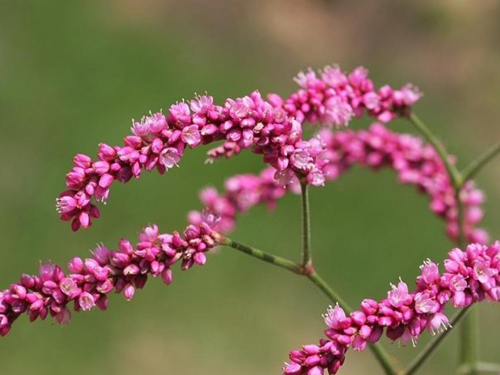
How to Grow Red Knotweed? Cultivation Methods for Hongcao, Oriental Knotweed, and Dog's Tail Red
Red Knotweed (Hongcao, Oriental Knotweed, Dog's Tail Red) Scientific name: polygonumorientale Aliases: Hongcao, Red Grass, Large Red Knotweed, Oriental Knotweed, Large Hairy Knotweed, Youlong, Dog's Tail Flower Family and Genus: Polygonaceae Morphological Characteristics: - Annual herb. Inflorescence drooping to one side, pale red, red, or white. Fruit spike red.
-
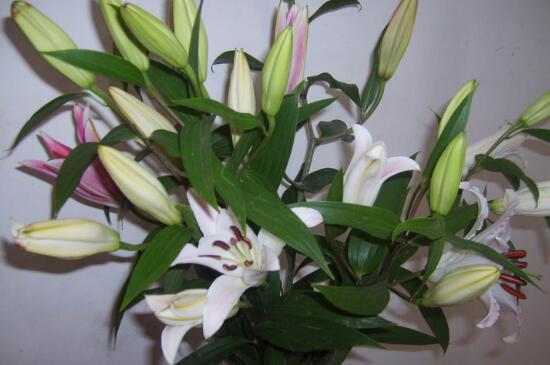
The benefits and uses of Oriental lilies: rich in flower colors and excellent for viewing, and they can treat tuberculosis
Everyone is probably familiar with Oriental lilies. With beautiful flower shapes and rich colors, they are a very attractive flowering plant. In daily life, many flower lovers grow Oriental lilies, and most of them do so simply for their beauty. However, if you think Oriental lilies are only beautiful, you would be greatly mistaken
-
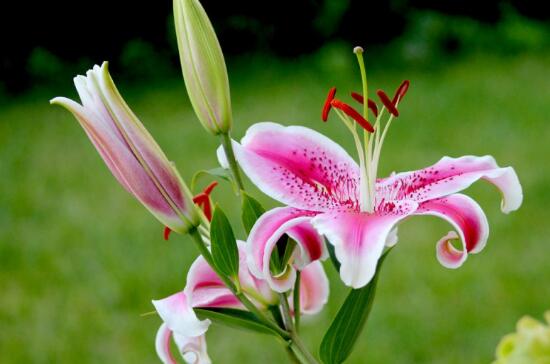
How to grow Oriental lilies? Cultivation methods and precautions, watering should not be excessive
Oriental lily (Lilium 'Oriental Hybrids') is the name of a song, and it is also a very beautiful flower. It is said that the Oriental lily is the queen among lilies; its flower shape is beautiful and its colors are rich, making it deeply loved by flower enthusiasts. In daily life, many people want to grow Oriental lilies, so how do you grow them?
-
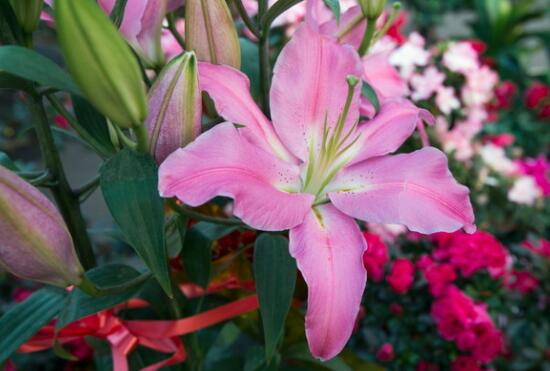
What to do when your Oriental lily gets bugs? Pest and disease control: you can pick off the insects with a toothpick
The Oriental lily is the queen among lilies, and because of its beautiful appearance it is welcomed and loved by a great many flower lovers. However, if it suffers from pests and diseases, the beauty of the Oriental lily will be gone forever, and by then flower lovers are sure to be anxious! So what should you do when your Oriental lily gets bugs?
-
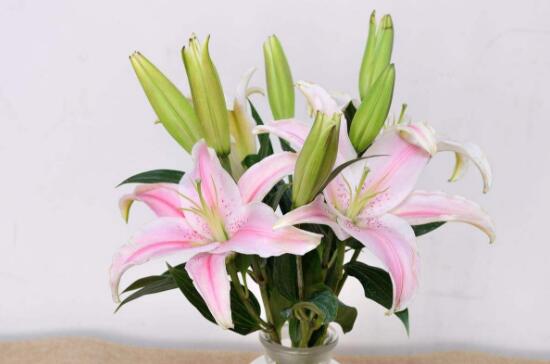
How to propagate Oriental lilies? Among four methods, sowing has a high survival rate
As a beautiful flower, Oriental lily is something everyone has probably heard of. It is the queen among lilies, with a rich variety of flower colors, and is deeply loved by flower enthusiasts. In daily life, many people grow Oriental lilies, which also leads to them being propagated in large numbers. So how do you propagate Oriental lilies?
-
Detailed Guide to Growing Oriental Lily Bulbs
Bulb Selection In growing Oriental lilies, bulb cultivation is mostly chosen. When selecting Oriental lily bulbs, considering the survival rate, you need to choose bulbs with undamaged surfaces. After selecting the Oriental lily bulbs, you need to plant them as soon as possible to prevent the bulbs from rotting
-
What are the care methods for Oriental lilies?
Light Oriental lilies need plenty of sunlight to promote plant growth, so when caring for Oriental lilies, try to choose a spot with light. However, during the bud stage, Oriental lilies should not receive too much sunlight, to avoid damaging the flower buds, so we can provide appropriate shade. Fertilizing In general
条件筛选