-
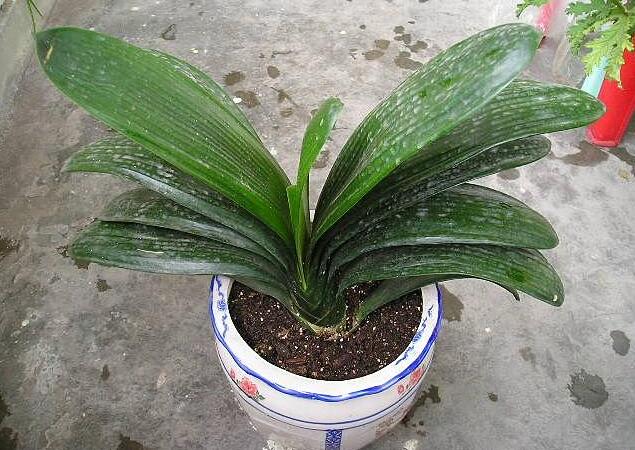
How to grow potted clivia and the points to note: watering should not be excessive
When it comes to clivia, I believe every flower lover is familiar with it. Although it lacks the beauty of a peony and the emerald green of a dumb cane, its broad, thick green leaves and fiery red flowers set each other off beautifully, making it an ideal potted flower for beautifying the environment. In daily life, many people choose to grow clivia, so how do you grow potted clivia?
-

How to grow camellias? Master the growing methods and points to note, water more in the early stage
Camellias are very common in daily life, and many people like this flowering plant. Camellia is also called camellia, and it is a traditional ornamental flower of China. The flowers of the camellia are very beautiful, and many people want to grow camellias but do not know how to grow them. Below, follow the editor to take a look at the growing methods and points to note for camellias
-
How to grow potted morning glory and points to note: light must be sufficient
Morning glory, also called trumpet flower, everyone has surely heard of it. I remember as a child, the editor often saw small trumpet-shaped flowers by the roadside on the way to school, and those were actually morning glories. Because morning glory has beautiful flowers, in recent years it has gradually become an excellent choice for indoor growing, so how do you grow potted morning glory?
-

What should be noted when planting forget-me-nots in the ground and in pots?
When cultivating forget-me-nots in the open ground, choose a ventilated, sunny, higher-lying sandy loam plot rich in organic matter, make it into raised beds, and apply decomposed organic fertilizer. When the seedlings grow 1-2 true leaves, transplant them once; if transplanted too late, they are not easy to survive. When they grow 4-6 true leaves, plant them in their final position.
-
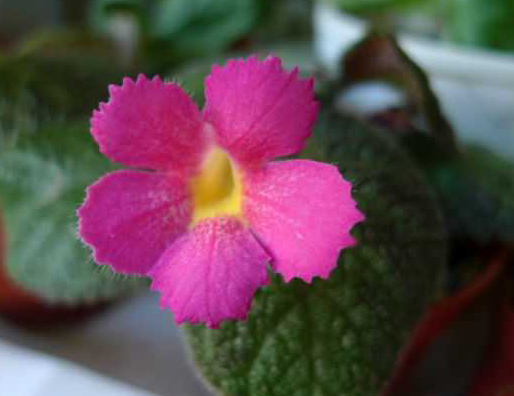
What should be noted when caring for an Episcia?
Episcia is also known as red tongcao. The flowers are solitary in the leaf axils, crimson red, blooming in summer. Common varieties include 'Emerald Queen', with dark green leaves and silver-white midribs; copper-green Episcia, with copper-green leaves and reddish leaf margins; chocolate Episcia, with silver-white main veins, as well as silver-glow Episcia and variegated Episcia, etc.
-
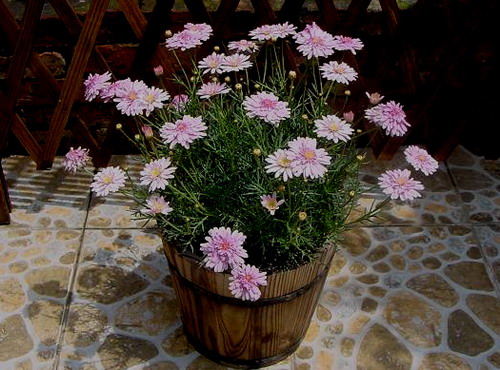
How to grow marguerite daisies? Growing methods and points to note
Marguerite is also known as cineraria-leaved chrysanthemum and crown daisy. Below is my experience growing marguerite, organized for reference. 1. Soil: Marguerite likes loose, fertile, well-draining soil. Soil mix: 5 parts black mountain soil, 5 parts peat soil. Those without black mountain soil can substitute garden soil. 2. Cuttings
-
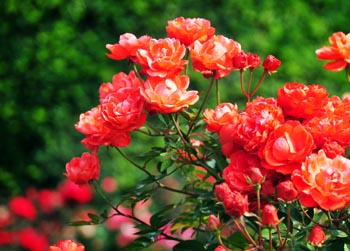
How to grow miniature roses? Growing methods and points to note
Propagation is mostly done by cuttings, though division and layering can also be used. Cuttings can be taken in all four seasons, but hardwood cuttings in winter or autumn are preferable; for softwood cuttings in summer, pay attention to water management and temperature control. Otherwise rooting is difficult. Winter cuttings are generally taken in a greenhouse or polytunnel
-
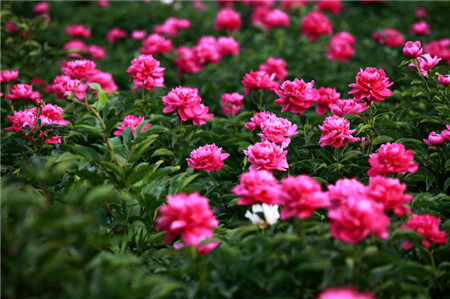
What points should be noted when planting peonies?
Peonies (Paeonia lactiflora) originated in northern China and are perennial herbaceous plants with fleshy roots. There are now over a thousand varieties worldwide, and about 180 in China. Peonies are highly adaptable and cold-hardy, and can overwinter outdoors in northern China. Wild species are currently distributed in areas such as the Qinling Mountains and the Dabie Mountains. However, three points should be noted when planting peonies: 1. The soil must have good drainage.
-

Can Peperomia be grown hydroponically? Master the hydroponic method and key points to note
For plant lovers who have a passion for hydroponics, they want to try growing everything in water. So, can Peperomia be grown hydroponically? Of course it can. Before talking about hydroponic Peperomia, let's first go over the basic information about Peperomia. Its scientific name is Peperomia obtusifolia, and it is a fairly well-known small foliage houseplant. Peperomia is relatively shade-tolerant.
-

What points should be noted when fertilizing cyclamen?
During the various growth stages of cyclamen, the types and amounts of fertilizer required are all different, and this must be paid close attention to when growing it. Fertilizing cyclamen cannot be generalized; each stage has its own emphasis. Under normal circumstances, the peak of potassium uptake is from May to September
条件筛选