-

What should be noted when growing Boston ferns at home?
Notes on growing Boston ferns at home. Boston fern: it is a pendulous fern species that likes warm, humid and semi-shaded environments and dislikes extreme heat. It can be grown indoors in bright indirect light and must not be exposed to direct strong sunlight, otherwise the leaves tend to turn yellow or the leaf margins dry up; however, it should not be grown in a dark place either.
-
What are the things to note when growing Billbergia (water tower plant) at home?
Things to note when growing Billbergia at home. Billbergia: also known as bromeliad, it likes warm and humid conditions, belongs to semi-shade flowers, requires good ventilation, and prefers acidic sandy loam rich in humus with good drainage and aeration. You can use leaf mold, sphagnum moss and garden soil sand, mixed with a small amount of bone meal as base fertilizer.
-
How to Grow Pilea in Pots and Points to Note
Pilea is a perennial herb with creeping stems. It is a rather fashionable small foliage plant; because it is highly adaptable, easy to propagate, and relatively easy to grow, with compact, simple and elegant clumps, clearly defined green-and-white leaves, and beautiful patterns. Pilea prefers a warm, humid climate and loose, fertile sandy soil, and grows best at 15°C to 25°C.
-
What are the key points to note when growing Anthurium as a houseplant at home?
Key points for growing Anthurium: temperature. When growing Anthurium at home, keep the temperature as steady as possible. The optimal growing temperature for Anthurium is 16-24°C, and the minimum temperature should stay above 12°C. In an ordinary home with heating, this is easy to achieve. But at the same time, you must note
-
Six key points to note in chrysanthemum cultivation methods
Chrysanthemum, also known as ju, huanghua, and dinuhua, is a perennial herbaceous flowering plant of the genus Chrysanthemum in the Asteraceae family (or a subshrub with a rootstock). There are many varieties of chrysanthemums, with very rich colors, varied flower shapes, and countless postures. They have extremely high ornamental value and are deeply loved by modern people
-
What care points should be noted during the dormancy period of Hippeastrum?
Hippeastrum is a perennial bulbous flower that blooms in spring, grows in summer and autumn, and its bulbs enter dormancy in winter. To encourage bulb sprouting and early flowering, during its dormancy period note the following: (1) Temperature control. Potted plants should be moved indoors to overwinter, and the leaves cut off. Room temperature should be kept at 5-10°C. If the temperature is below 5°C
-
What are the key points to note when planting camellias?
1. Soil. Everyone knows that camellias generally are suited to growing in slightly acidic soil, with a pH value between 5.5 and 6.5. Alkaline soil, heavily clayey soil, or waterlogged ground is not suitable for planting camellias. Camellias planted in soil that is too acidic or too alkaline will grow and develop poorly. Southern red-yellow soil, northern black chernozem soil
-

Notes on Managing Greenhouse Vegetables in Low-Temperature Rain and Snow Weather
Notes on Managing Greenhouse Vegetables in Low-Temperature Rain and Snow Weather
-
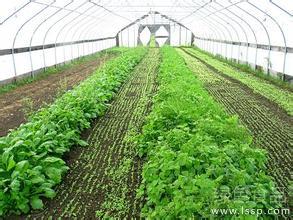
Six points to note when fumigating greenhouse soil
Six points to grasp: precautions for greenhouse soil fumigation
-
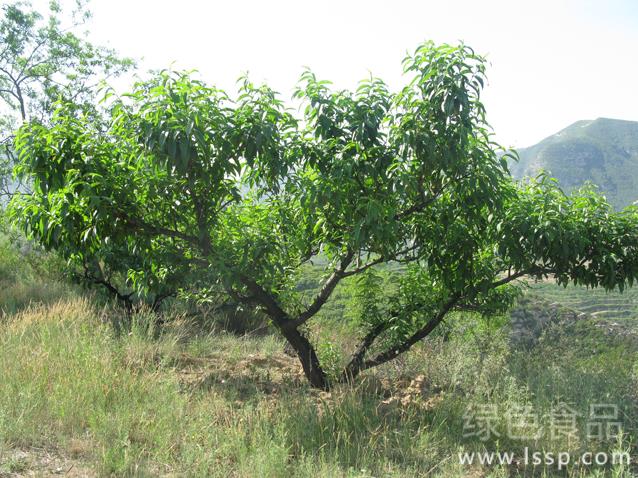
What should be noted when topdressing peach trees
What aspects should be noted when topdressing peach trees
条件筛选