Six points to note when fumigating greenhouse soil
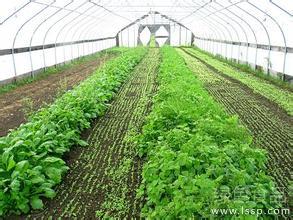
Greenhouse vegetables
Soil chemical fumigation is an effective method for controlling root-knot nematodes and soil-borne diseases. However, some vegetable growers carry out soil chemical fumigation improperly, so that pests and diseases in the greenhouse are not effectively controlled. Therefore, the following points should be noted when carrying out soil chemical fumigation:
1. Fumigation should be done in good time. For soil fumigation, it is best to choose to carry it out immediately after the previous crop is harvested. At this time, root-knot nematodes are mostly gathered on the soil surface, making it easier to kill them in a concentrated way. Otherwise, waiting until pests and diseases have moved into the deeper soil layers before disinfecting the soil will reduce the effect, allowing some pathogens to escape by luck and break out again the following year.
2. The choice of chemicals must be appropriate. The soil fumigants available on the market mainly include: methyl bromide, dazomet, chloropicrin, 1,3-dichloropropene, sulfuryl fluoride, metham-sodium, etc. These chemicals all have a certain controlling effect on fungi, bacteria and nematodes, but many of them are highly toxic or extremely toxic products that are unsafe for humans and livestock. Therefore, it is recommended to choose efficient, low-toxicity and environmentally friendly compound liquid soil fumigating disinfectant pesticides, such as: Diler, Abasa, etc.
3. Environmental conditions must be suitable. For disinfection with soil fumigants, the mechanism of killing bacteria (pests) is mostly as follows: after the chemical agent is applied to the soil, it changes from the original liquid or solid into a gas; the gas diffuses among the soil particles and kills the pathogenic harmful organisms in the soil that can cause plant disease, thereby achieving a disease-preventing effect. Therefore the requirements are: 1) The soil permeability must be good. Before soil fumigation, plow the plot to be treated to a depth of 20-30 cm. 2) Soil moisture must be suitable. Generally, the soil fumigation effect is best when the soil water content is 40%-70%. 3) Soil temperature must be reasonable. The ideal temperature can keep harmful organisms in a “living” state, making it easier for the fumigant to work better. Usually the ideal soil temperature is 15-20°C at a soil depth of 15 cm.
4. After fumigation, prevent reinfection. Fumigants only eliminate the existing pests and diseases in the soil; they have no residual effect and are powerless against pests and diseases introduced again. If nematodes and other pests and diseases are found again soon after fumigation in a plot, it may not be that the fumigation was done poorly, but rather that the pests and diseases made a comeback and reinfected it, for example, if the seedlings carry pests and diseases. In other cases, after fumigation, rain washes in soil particles carrying pests and diseases, or pests and diseases outside the greenhouse are brought in on shoes, and so on. All of these must be noted, and the channels by which nematodes are reintroduced should be cut off as much as possible.
5. Do not plow too deep after fumigation: if the post-fumigation plowing is much deeper than the pre-fumigation plowing, or even if there is no plowing before fumigation but deep plowing after fumigation, then nematodes and other pests and diseases in the deeper layers that were not killed by fumigation will be brought up.
6. Supplement organic fertilizer after fumigation: soil disinfection fumigants kill not only harmful organisms but also beneficial organisms, so disinfected soil should be given more bio-organic fertilizer in terms of fertilization to supplement the number of beneficial organisms.