-

How to Mix Fish Feed? Nine Practical Formulas Explained
1. Suitable for grass carp or silver carp and bighead carp: rice straw powder 70%, soybean cake 15%, cottonseed cake 10%, cornmeal 5%, plus bone meal 1%, salt 0.5%, and an appropriate amount of vitamins. 2. Suitable for cage-cultured grass carp: soybean stalks or peanut vines 60%, soybean cake 15%, rapeseed cake (or cottonseed cake) 10%, cornmeal 10%, fish meal 5%, plus clam shell powder (or bone meal) 1%, salt 0.5%. 3. Suitable for grass carp: dried green grass powder (or peanut vines, sweet potato vines) 45%, soybean cake 15%, rice bran 15%, wheat bran 10%
-
What is canine fluoroacetamide poisoning?
It is caused by accidentally eating fluoroacetamide-based rodenticide bait or rats killed by this poison. It is clinically characterized by restlessness, aimless charging, vomiting, salivation, and paroxysmal spasms of the whole body's muscles. [Prescription] 50% acetamide (acetamide) 5-IOml. Usage: one intramuscular injection. Inject intramuscularly in 2-4 divided doses at 0.1-0.3g per kg of body weight, with half the daily dose used for the first dose, for 5-7 consecutive days. Note: combine with sedation, intravenous infusion of glucose and
-
What are the treatment methods for canine red mange?
Red mange is a common contagious disease spread by contact in animals, also known as demodicosis. Symptoms: In the early stage of the disease, small areas of hair loss appear on the dog's face or the sides of the ears, along with itching. In the middle stage, there is localized hair loss on the abdomen and limbs, with frequent itching. In the later stage, the dog becomes listless, has a decreased appetite, discharge appears around both eyes, and the hairless areas develop red patches, inflammation and blisters; the affected dog becomes restless, experiences severe itching, and scratches its skin raw. Treatment methods: (1) Choose trichlorfon, at a ratio of 5%, add an appropriate amount of lard, and mix
-
Detailed Explanation of Prevention and Treatment Methods for Infectious Canine Hepatitis
Infectious canine hepatitis is an acute septicemic infectious disease caused by the infectious canine hepatitis virus. The susceptible animals are young dogs under 1 year of age, often presenting as acute necrotizing hepatitis. This disease occurs throughout the world and is a common canine disease. In the early stage of onset, the virus mainly exists in the blood of affected dogs, and subsequently appears in various secretions and excretions, and is shed from the body, causing environmental contamination. After recovery, dogs can still shed the virus in urine for 6 to 9 months. Affected dogs and virus-carrying dogs are the sources of infection for this disease. Healthy dogs are mainly infected through the digestive tract, and infection can also occur via the placenta.
-
Canine Epilepsy
It is caused by hereditary abnormalities or functional disorders in the brain. Clinically, symptoms include sudden onset, generalized rigidity, loss of consciousness, and foaming at the mouth. Treatment is mainly aimed at controlling or alleviating symptoms. [Prescription 1] Phenytoin sodium 50-150 mg. Usage: oral administration once. Dose at 10-15 mg per kg body weight, twice daily, for 5-7 consecutive days. [Prescription 2] Primidone 0.125-10 g. Usage: oral administration once. Dose at 55 mg per kg body weight,
-
Diagnosis and Treatment of Canine Distemper in Raccoon Dogs
A disease characterized mainly by copious ocular and nasal discharge, along with gastrointestinal, respiratory and neurological symptoms, occurred in raccoon dogs raised at the Bayanhot Special Breeding Farm in Alxa Left Banner. Based on clinical symptoms, necropsy findings and treatment response, it was initially diagnosed as canine distemper. 1 Outbreak situation: The raccoon dogs and foxes raised at the Bayanhot Special Breeding Farm in Alxa Left Banner began to show the disease on March 11, 2002. The farm raised a total of 230 raccoon dogs and 110 foxes, among which 107 raccoon dogs became ill, with a morbidity rate of 46.52%
-
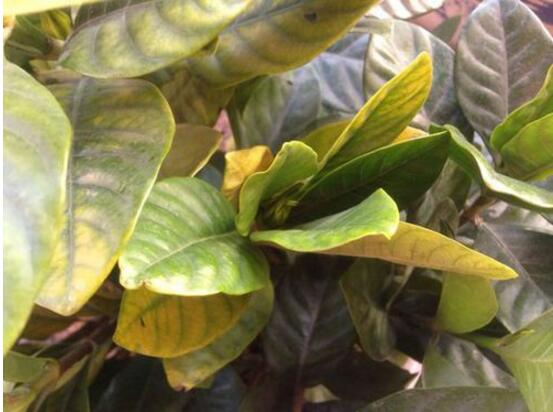
What to do when the leaves of the nine-segment orchid turn yellow? Avoid too much water and too little light, 5 points to easily solve it
The nine-segment orchid is a plant grown in the homes of many cultivation enthusiasts, with extremely high ornamental value. However, no matter how high a plant's ornamental value is, if its leaves turn yellow, it will also affect its overall beauty. What should be done when the leaves of the nine-segment orchid turn yellow? Below, the editor will take everyone through it.
-
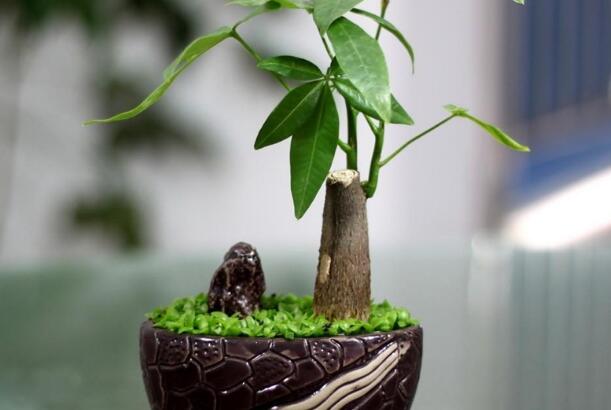
What to do when a Money Tree drops its leaves? Nine causes explained, water and fertilizer are key
The Money Tree (Pachira aquatica) is a very beautiful foliage plant, with a sturdy, well-proportioned form and emerald-green leaves. Kept at home, it not only carries an auspicious meaning but also purifies the air, making it popular and beloved among a wide range of people. However, during cultivation, some flower lovers run into the situation of dropping leaves, which is incredibly frustrating.
-
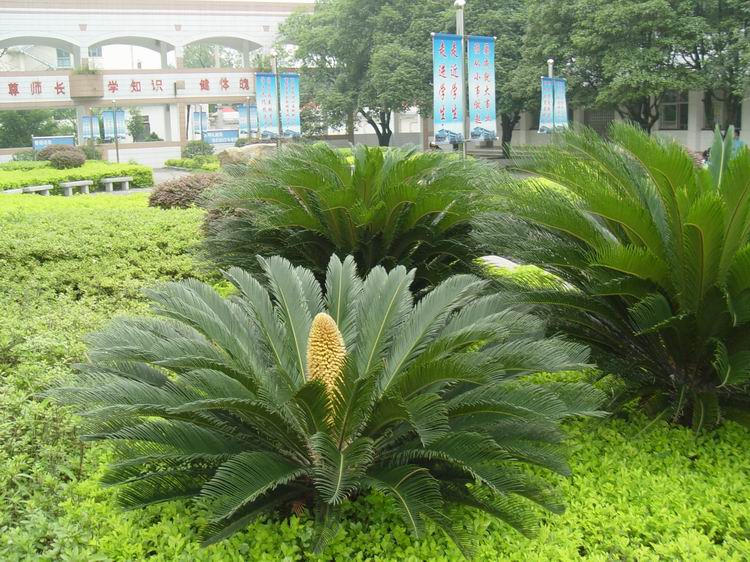
How to Grow a Sago Palm? Detailed Explanation of Nine Key Cultivation Factors
Sago palms mainly grow in Asia, native to southern China, India, Japan and other places. Sago palm cultivation and growth prefer a warm and humid environment, are not resistant to severe cold, but tolerate shade. Moreover, during the growth process of the sago palm, it is relatively sensitive to iron deficiency, so when cultivating sago palms, iron filings should be appropriately added to the potting soil.
-
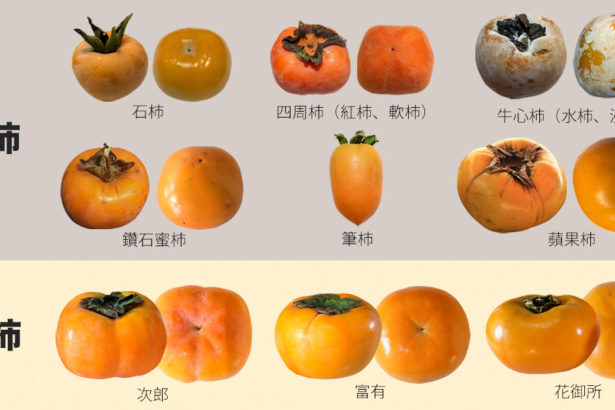
Persimmon Variety Guide: A Full Analysis of Nine Major Varieties Including Niu Xin, Fuyu, and Jiro
The Ultimate Persimmon Guide! Nine Varieties: Niu Xin, Si Zhou, Diamond, Apple, Stone Persimmon, Brush Persimmon, Fuyu, Jiro, and Hua Yushuo!
条件筛选