-
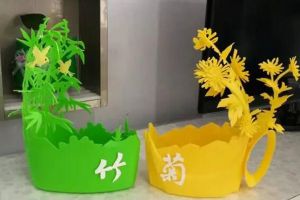
Cut an empty laundry detergent bottle with 2 cuts to turn it into a flower pot, and you won't need to buy pots for a whole year
Huahua has discovered that plant lovers really are skilled with their hands. Even an ugly laundry detergent bottle at home can instantly become a beautiful flower pot in their hands! Today, Huahua will take everyone to take a look at what these stunningly beautiful laundry detergent flower pots actually look like!
-
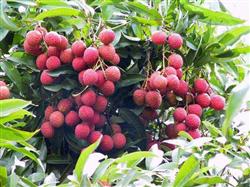
What management techniques are needed for lychee cultivation?
How should lychee be managed when planted? Please give an introduction. For planting lychees, you can refer to the following methods for planting and management: I. Seedling planting. 1. Selection of planting seedlings. First, choose large seedlings. Grafted seedlings should be vigorous in growth, with dark green leaves, a stem diameter at the point of emergence of at least 1.5 cm, and a seedling height of at least 60 cm...
-
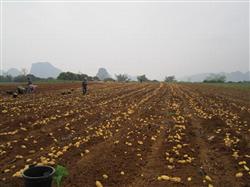
How to fertilize potatoes for high yields? These tips you need to master
How to fertilize potatoes for high yields? Please explain the fertilization method. Potatoes have a short growth period but a high nutrient demand. For every 1000kg of tubers produced, they need to absorb roughly 5-6kg of nitrogen (N), 1-3kg of phosphorus (P2O5), and 12-13kg of potassium (K2O) from the soil. Among the three major fertilizer elements, potassium is needed the most, followed by nitrogen, with phosphorus the least,...
-
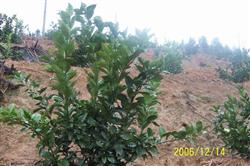
Introduction: Why do navel oranges need "thinning spring shoots and removing summer shoots"
Scientifically "thinning spring shoots and removing summer shoots" on navel orange trees in the year before they come into production or after they have come into production is an important measure for retaining fruit and increasing yield. However, because many fruit growers do not know how to use it or apply it improperly, they not only fail to achieve the expected goal of a bumper harvest, but instead end up with small navel orange tree canopies, few branches and leaves, and low yields. The following is "thinning spring shoots...
-
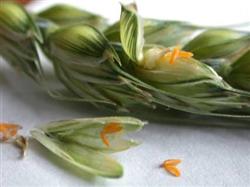
How to control wheat blossom midge? These methods you need to master
How to control wheat blossom midge? Please explain the methods. Wheat blossom midge can be controlled by referring to the following methods: 1. Occurrence patterns of wheat blossom midge. Wheat blossom midge has one generation per year. Overwintering larvae form cocoons in the soil at 20 cm to oversummer and overwinter. In the spring of the following year, when the temperature rises to 10 degrees (at this time wheat is at the jointing stage), the midge begins to break the cocoon and moves up into the 3-10 cm soil layer to prepare for pupation. When the temperature reaches 12 degrees (at this time it is the booting stage of wheat, mid-to-late April), the larvae successively pupate at about 3 cm on the soil surface. This is the best time to apply poisoned soil to control wheat blossom midge. Otherwise, after wheat heading, adult midges emerge in large numbers. Newly emerged adults can mate and lay eggs the same day. Each adult can lay dozens to over a hundred eggs. After 5-6 days, the eggs hatch into larvae, which bore into the wheat glumes and feed on the grain that is filling. In the late filling stage, mature larvae crawl out of the glumes after rain or when dew wets the wheat heads, fall to the soil, and oversummer and overwinter there. By wheat harvest, the damaged grains become "sparrow tongues" or "small black spots", shriveled and black, causing serious yield reduction.
-
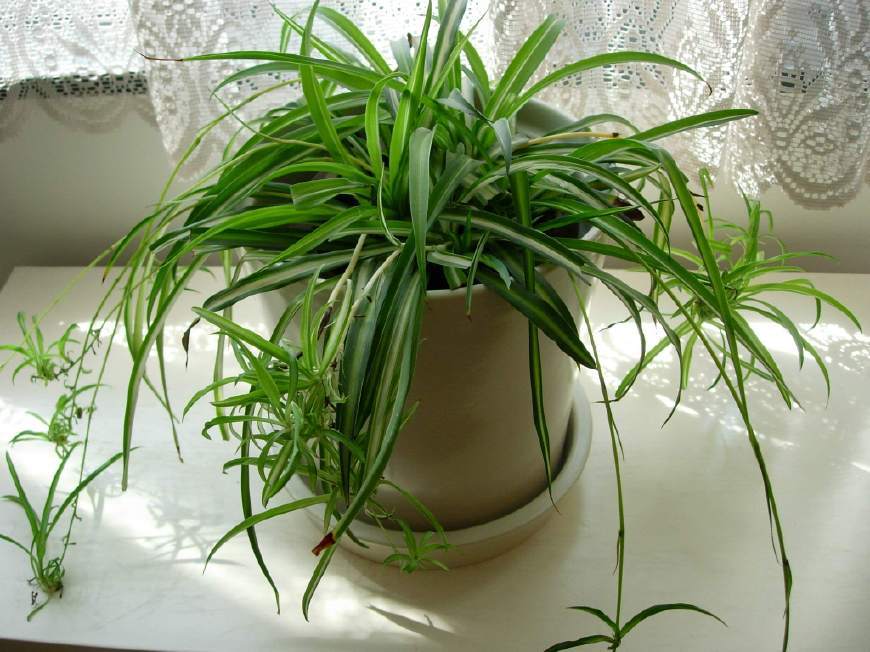
You don't need to buy flower fertilizer. Dig a hole in the pot and bury 3 of these. It works better than any fertilizer, and the more you grow, the more thriving they become.
There are several key elements to growing flowers that gardening enthusiasts need to pay attention to. One is watering, and the other is fertilizing. Light, ventilation and nutrient soil are relatively easier to manage. What is harder to grasp is watering and fertilizing. As the saying goes, growing flowers is three parts fertilizer, ...
-
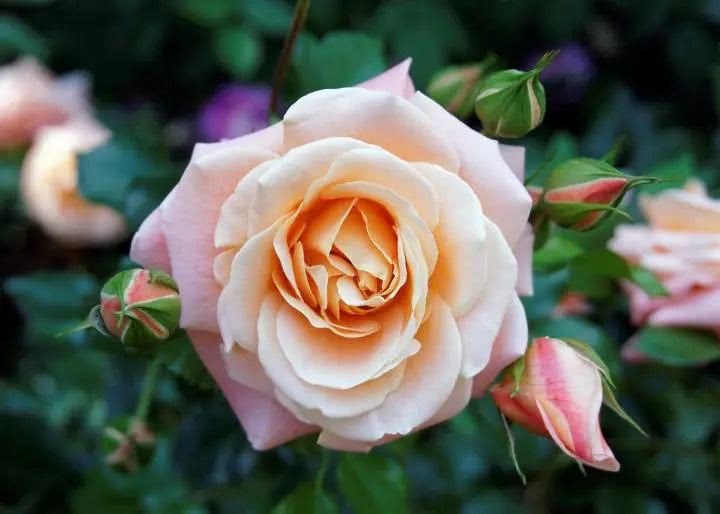
These perennial flowers are beautiful and spectacular, and once planted in the yard they need no care all year round
I really love planting perennial flowers; they can keep growing well in the yard all year round. If the environment is warm and humid year round, these perennial flowers need hardly any management at all. As long as there is no long-term drought, this...
-
How to manage summer soybeans during the flowering stage? These key points you need to master
How should summer soybeans be managed during flowering? Here is an introduction. Summer soybeans can be managed during flowering by referring to the following methods: 1. Intertillage: The late flowering stage of summer soybeans and the period when vegetative growth and reproductive growth proceed simultaneously. During this period, temperatures are high, light is intense, and plants grow quickly, with the average plant height generally increasing by 2-3 cm per day, ...
-
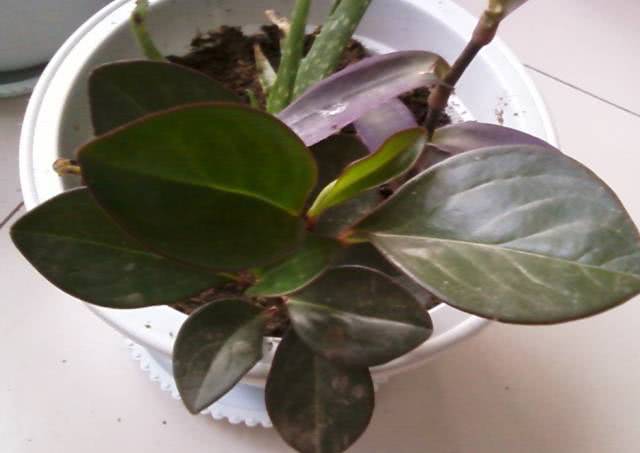
After a plant suffers severe water shortage, you cannot just water it; you need to know the right rescue methods
Prolonged drought will certainly be harmful to the growth of potted flowers, and some may even suffer irreversible damage and then die. Growing flowers at home is itself a very time-consuming job, and situations where you do not water for a long time are also...
-
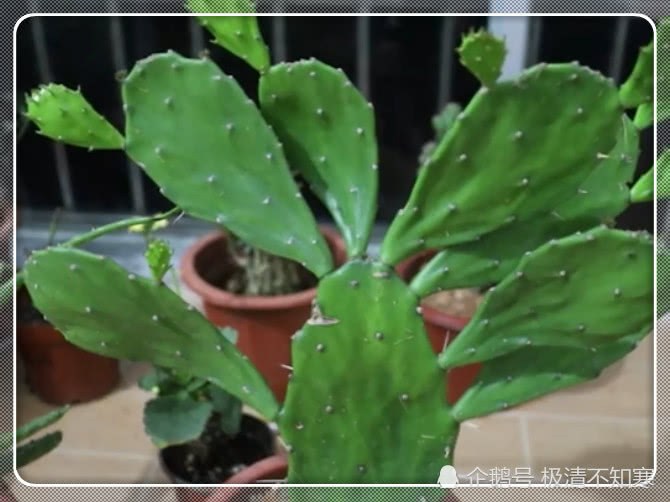
Do cacti need watering? Many people get it wrong
Cacti are famously easy to grow, and on top of that they can protect against radiation, so they are favored by many people. But everyone shares one misconception: because it is a drought-tolerant plant, it does not need much watering. In the end, however, this causes the leaves to rot,...
条件筛选