You don't need to buy flower fertilizer. Dig a hole in the pot and bury 3 of these. It works better than any fertilizer, and the more you grow, the more thriving they become.
There are several key elements to growing flowers that gardening enthusiasts need to pay attention to. One is watering, and the other is fertilizing. Light, ventilation and nutrient soil are relatively easier to manage. What is harder to grasp is watering and fertilizing. As the saying goes, growing flowers is three parts fertilizer, seven parts water. So if you want to grow potted flowers well, you must pay attention to these two things. As for watering, we will save that for the next issue. Next, let's mainly share some knowledge about "fertilizing" flowers. Whether fertilizer can be effective and whether fertilizing is done properly both affect the health of the flowers. Now we have entered autumn, which is also the peak growing season for flowering plants, so fertilizing at this time is crucial.
Which flowers need more fertilizer in autumn
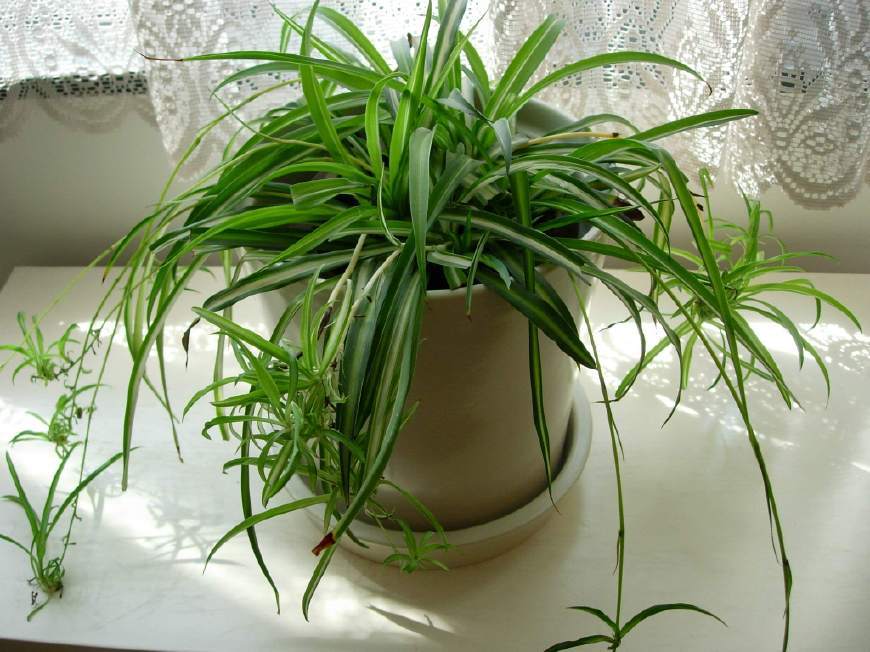
When it comes to potted plants that need more fertilizer, the commonly grown flowers must be included, such as the spider plant in the picture above, as well as the more common pothos, money tree, clivia, mini rose, kalanchoe and so on. In autumn, the weather is suitable, and potted plants grow lush quickly. Of course, the premise is that watering and fertilizing are done well. For fertilizing, many gardening enthusiasts choose the following two methods. One is commercial flower-specific fertilizer, compound fertilizer. The other is common household organic fertilizer such as barnyard manure and chicken and duck manure. These two types of fertilizer each have advantages and disadvantages. Compound fertilizer is a chemical fertilizer, and long-term use will cause the potting soil to become compacted, while organic fertilizer has too strong and unpleasant an odor.
You don't need to buy flower fertilizer. Dig a hole in the pot and bury 3 of these. It works better than any fertilizer, and the more you grow, the more thriving they become.
Can you tell what it is in the picture above? That's right, it's the very common "soybean" in daily life. Of course, this soybean has been processed. It goes through three processes: soaking, steaming and fermentation. Only through such operations will the soybean become a true "all-purpose fertilizer" for growing flowers. Soybeans contain a lot of nitrogen, making them a very good organic nitrogen fertilizer. Using them to grow flowers can be said to be more suitable than anything! In autumn, the peak growing season for flowering plants, applying more fertilizer also has its particularities. You must apply more nitrogen fertilizer, because nitrogen can promote thick and sturdy plant stems and oily green leaves. Of course, you can also apply a little more phosphorus fertilizer.
How often should soybean fertilizer be used for growing flowers
For many potted flowers, the topdressing interval is generally once a month, so that the nutrients in the potting soil will be sufficient and the plants will grow better. Using soybeans as flower fertilizer is the same. It is recommended to apply once a month. Two days before each fertilizing, remember to stop watering. Then use a small trowel to dig a few small holes in the flower pot and directly bury the fermented soybeans in them. Bury 3 in each hole, no more than that. There is one more thing to note: when digging holes, remember to dig along the edge of the pot, and do not get too close to the flower roots, otherwise you may accidentally damage the roots.
Finally, a few details about growing flowers in autumn
Growing flowers in autumn can be much less worrisome. After all, at this time there is neither high temperature nor frost, but even so, you cannot be careless when growing flowers. You do not need to water as frequently as in summer. Just follow the rule of not watering when dry, and watering thoroughly when you do water. Watering should still be done in the morning or evening. As for fertilizing, as just mentioned, apply more nitrogen fertilizer, once a month, which helps the flowers get through winter. As for light, you must ensure it is sufficient, and you can boldly put them on the balcony.
That's all for sharing knowledge about growing flowers. Thank you for reading!
Remember to like and share~