-
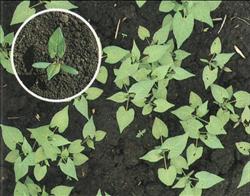
Buckwheat needs little fertilizer, and the key to fertilizing lies in technique
Buckwheat has a short growth period, grows rapidly, has slender stems, and a poorly developed root system, making it a crop that needs relatively little fertilizer. Generally, for every 100 kg of buckwheat grain produced, about 3.3 kg of nitrogen, 1.5 kg of phosphorus, and 4.3 kg of potassium need to be absorbed from the soil. The specific amount of fertilizer applied will vary depending on soil texture, cultivation conditions, climate characteristics, ...
-
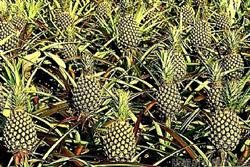
What conditions are needed to establish a pineapple orchard?
During the growth and development of pineapple, irrigate once every 15 days with a 300-fold potassium dihydrogen phosphate aqueous solution, for 8 to 10 consecutive times, applying 1.5 to 2 kg per plant each time, pouring it into the funnel-shaped crown at the top of the pineapple plant, so that the potassium dihydrogen phosphate aqueous solution flows along the leaf axils to the soil around the roots. In this way, the pineapple plants grow robustly, with large leaves...
-
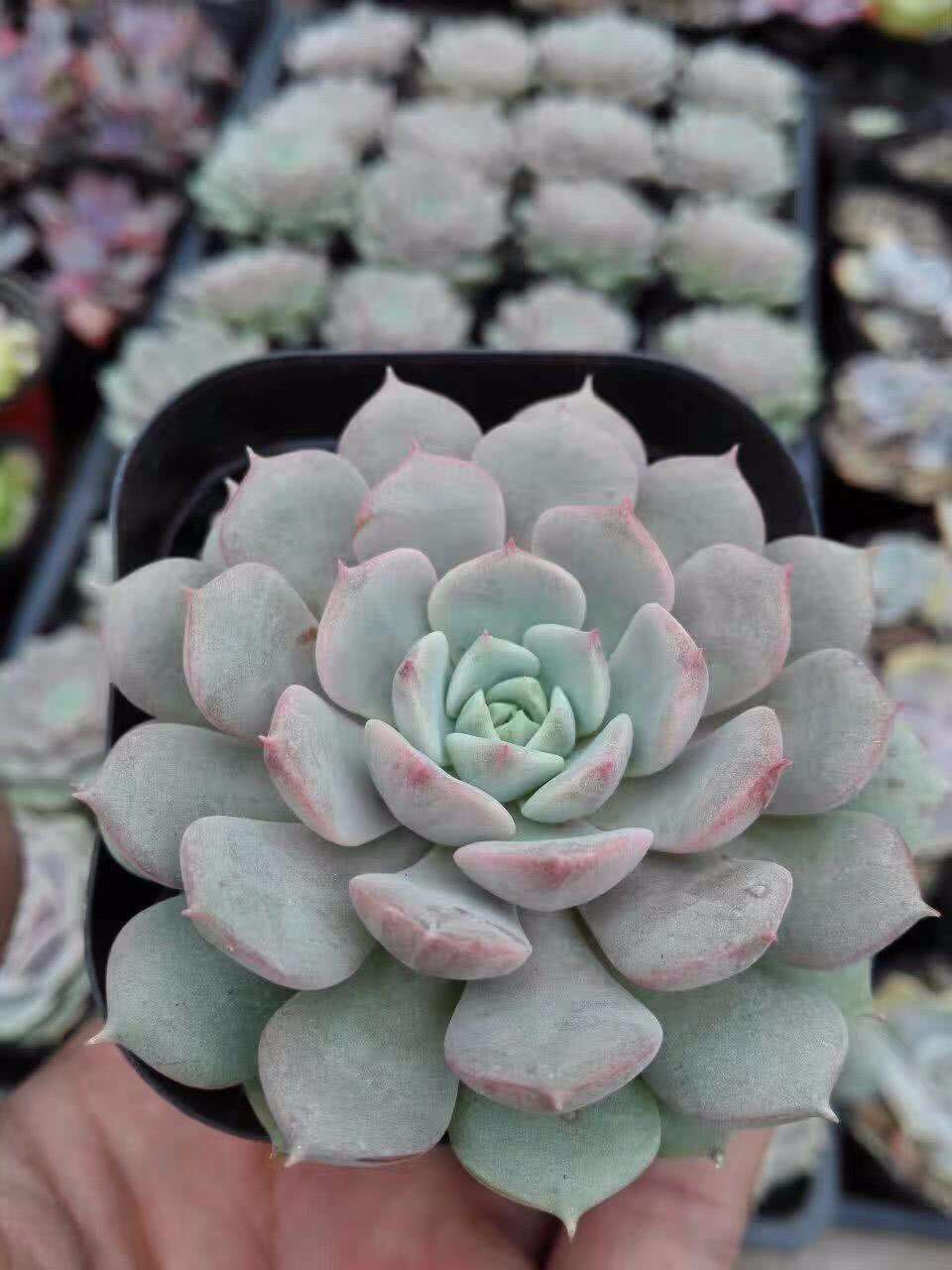
Flower propagation is super easy: with these flowers, a single leaf is all you need to grow them effortlessly
These days, many people keep a few pots of flowers at home to decorate their space and make it feel more alive, but some flowers are hard to grow, which frustrates a lot of people. In fact, many flowers are very easy to grow and...
-
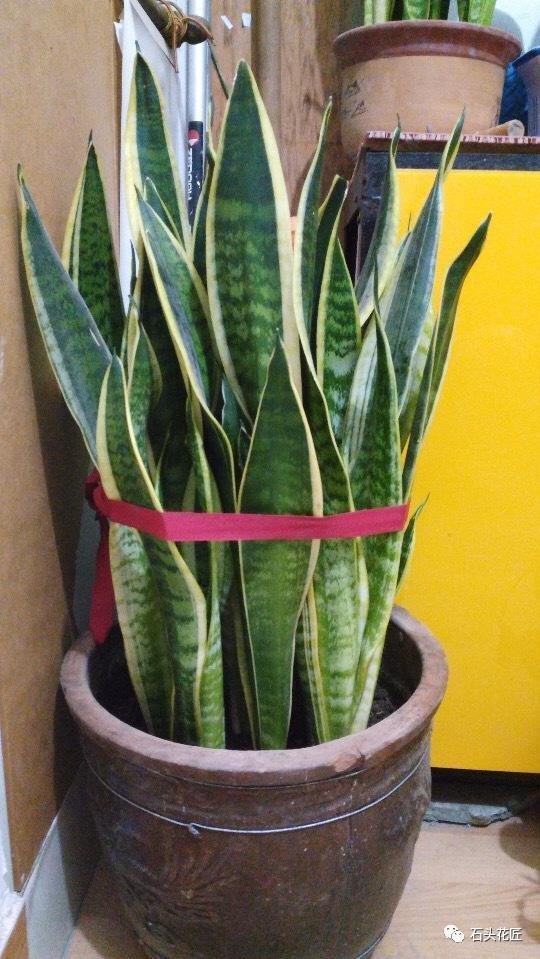
Snake plant: no need to buy fertilizer, bury 3 of these in the pot, and in 1 month new shoots will break through the pot
Snake plant (Sansevieria) is a common household flower; not only is the plant upright and sturdy, but the snake plant's striped leaves are very beautiful and have high ornamental value. Many flower lovers keep snake plants at home, because they are not only good-looking, but also...
-
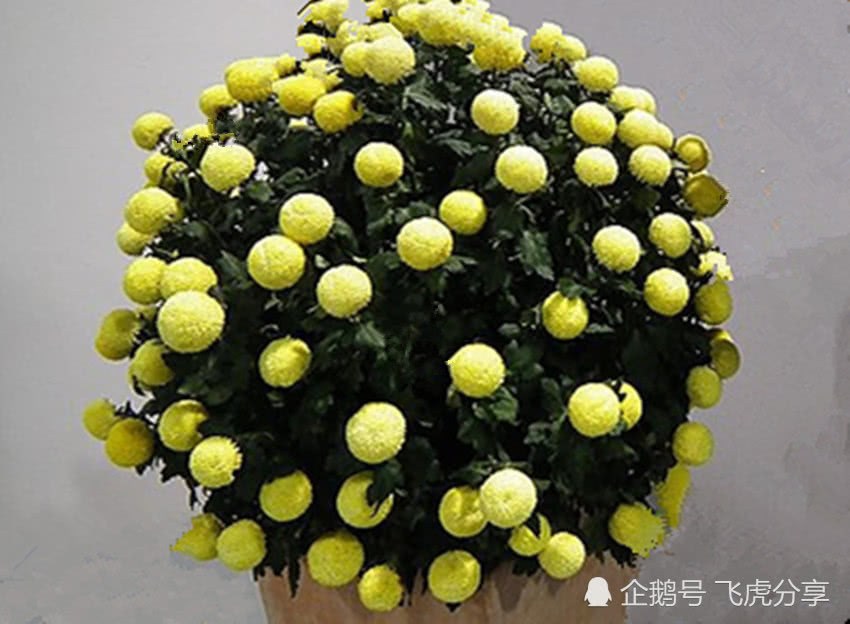
No pruning needed, it naturally forms a ball, blooms abundantly and looks beautiful, easy to grow and easy to fill out the pot
Many people love growing flowers, and they all know that some flowers need pruning, but few have truly seen flowers that need no pruning and naturally take shape. And those that naturally grow into a ball shape are even rarer. Today, the editor introduces one that naturally forms a ball without any pruning...
-
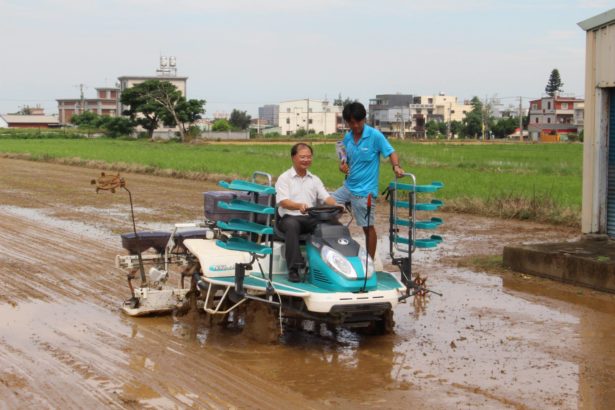
Direct-seeded rice skips the need for seedlings and transplanting, tastes better, and saves 15% water
No more bending over in the fields! Rice can also be direct-seeded, skipping seedlings and transplanting, tasting better and saving 15% water
-
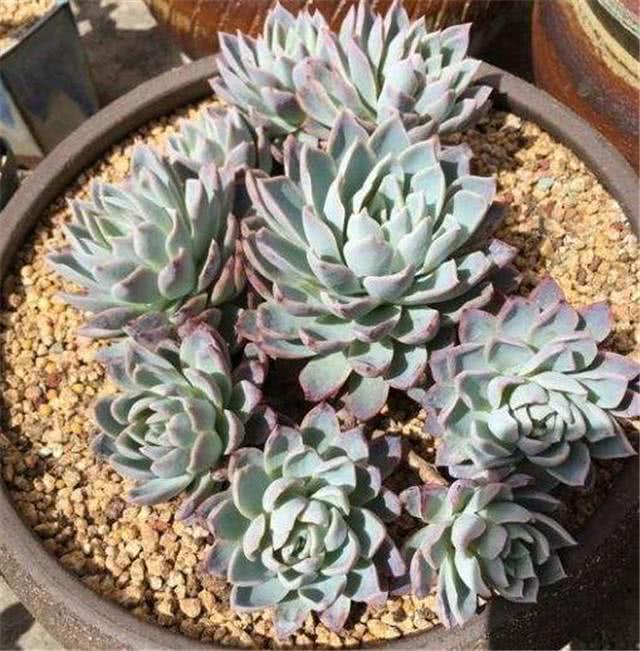
You do not need to buy potting soil for your plants; mixing 4 things together gives you an all-purpose nutrient-rich soil
When growing plants, first grow the roots. Only when the root system grows well can the plants grow strong. And to grow plants well, besides watering and fertilizing, most of it comes down to whether the soil is good or bad, because the soil can absorb nutrients and can supply them to the stems, leaves and flowers...
-
How to manage Chinese cabbage during the rosette stage? These measures need to be mastered
Symptoms: It occurs in all regions and can cause damage both in the field and during storage. The disease usually starts at the base of the leaf stalk and spreads to the entire leaf and then the whole cabbage plant. The diseased part rots, and white cottony mycelium and black sclerotia grow on the surface. On seed-producing plants, the stems are mostly affected; the stalk area is initially light brown and sunken, then turns white, and the cortex decays...
-
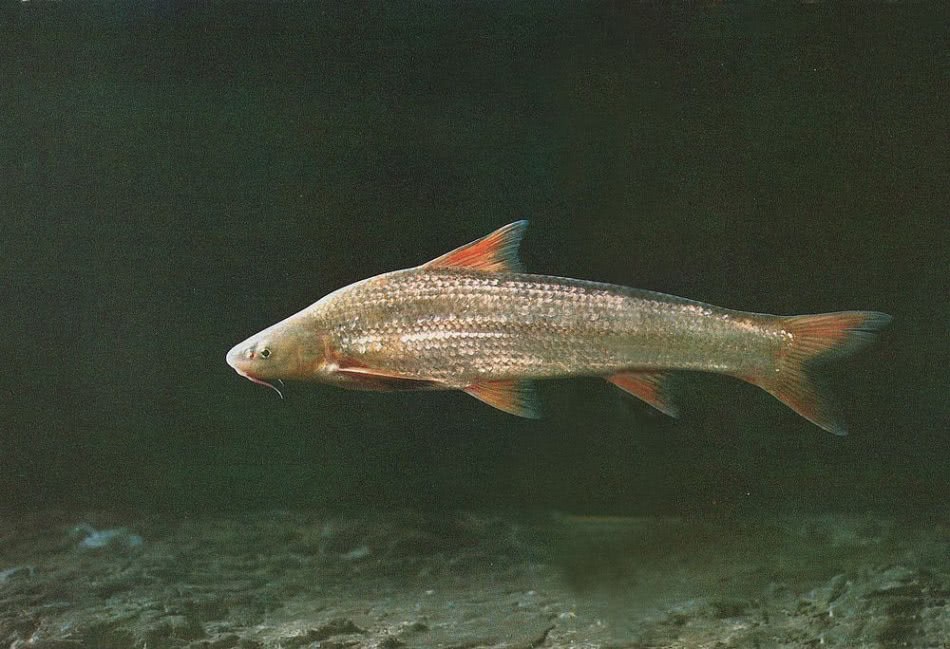
A fish that spoils as soon as it leaves the water and does not need scaling, its status rivals the Three Delicacies of the Yangtze yet few have tasted it
I believe many people know the deliciousness of the Three Delicacies of the Yangtze, which are pufferfish, hilsa herring and hairtail, and people praise the Three Delicacies of the Yangtze endlessly, but did you know? There is a kind of fish whose taste and texture is not inferior to the Three Delicacies of the Yangtze at all...
-
How to control root maggots in autumn cabbage? These methods you need to master
During the growth of autumn cabbage, the most dreaded pest is the root maggot (also called cabbage root maggot). It gnaws at the epidermis of the Chinese cabbage roots, allowing soil-borne pathogens to invade through the wounds, causing the cabbage to drop its outer leaves and rot. This not only reduces cabbage yield but also affects its edible value. If not controlled in time, it can damage the entire field, causing serious losses to vegetable growers...
条件筛选