-
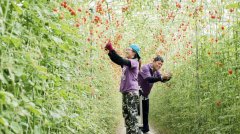
Greenhouse Design: High Biosecurity in Greenhouses? Even More Need to Guard Against Highly Contagious Pests and Diseases
Greenhouses may appear to avoid many pests and diseases, but in reality they place even greater demands on everyday execution of environmental hygiene and safety. Only by being a bit finicky can you grow sweet, beautiful fruit. Let's take a look below. Biosecurity is not just a basic requirement for farms, poultry and livestock operations.
-

How to care for the Boston fern? These methods you need to master
The Boston fern, also known as comb fern. It is a perennial evergreen herbaceous plant of the Davalliaceae family. The fronds are deeply pinnatifid, lanceolate, bright green, and grow in dense clumps. The sori are borne at the tips of the upper veinlets on each side vein of the pinnae, and the indusium is kidney-shaped. Commonly cultivated plants of the same genus include the long-leaved Boston fern, the fine-leaved Boston fern, and the slender-leaved Boston fern.
-
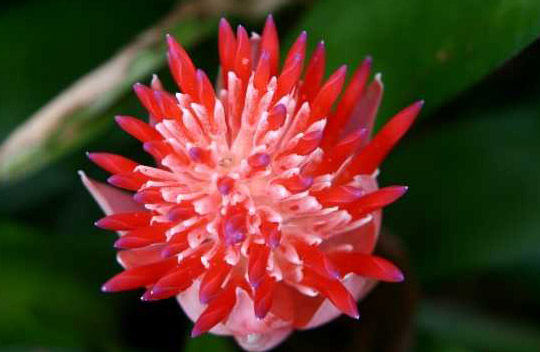
What conditions are needed for a billbergia to achieve excellence in both flowers and foliage?
The leaves of the billbergia are emerald green and glossy, growing in clusters in a rosette shape, and the leaf cylinder can hold water without leaking, which is how it got its name. Around National Day, a columnar bright red inflorescence emerges from the tender green leaf cylinder.(1) The billbergia likes warmth, humidity and a semi-shaded environment. In spring, summer and autumn, it can be placed indoors in a spot with bright scattered light
-

What environmental conditions are needed for the growth of cherry radishes?
Environmental requirements for the growth of cherry radishes
-

How to fertilize ginger for high yields? These key fertilization points you need to master
Key points for high-yield ginger fertilization
-

What environmental conditions are needed for wood ear mushroom growth?
Environmental requirements for wood ear mushroom growth
-
How to prevent and control common corn pests and diseases? A detailed explanation of prevention and control measures
Pest and Disease Control Strategies for Organic Corn Cultivation The diseases that easily occur during corn cultivation are leaf spot, smut, rust, and mosaic virus, while the pests include corn borers and aphids. The occurrence of pests and diseases is closely related to climatic conditions, so the timing of control should be decided according to climatic factors and field diseases
-
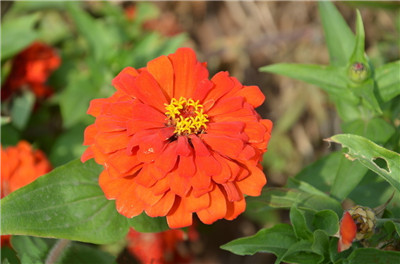
How do you grow zinnias? These care tips you need to master
When growing zinnias, keep the following key points in mind: Light-loving: they like warmth, dislike extreme summer heat, and tolerate early frost; they need fertile, moist soil, and on poor, dry soil the flower quality drops noticeably. Temperature: zinnias like warmth and sunshine, and do not tolerate extreme summer heat, high temperatures or severe cold
-
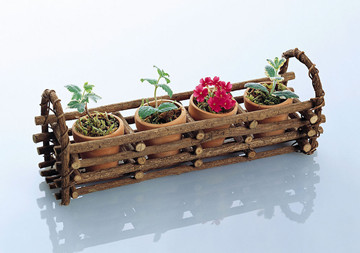
Why do flowers and plants often need repotting?
Turning the pot means regularly changing the direction of the flower pot during the growing period of the flowers. Because some flowering plants have phototropism, if the light is not adjusted regularly by turning the pot, poor shapes such as uneven crowns will appear, affecting their ornamental value. Why do flowers have phototropism? This is the result of the action of auxin in their bodies.
-
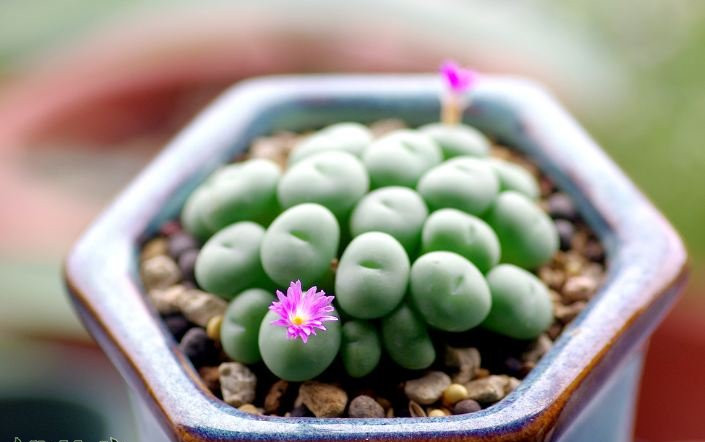
How to grow Conophytum? These care methods and tips you need to know
Conophytum is a small and exquisite succulent plant in the genus Conophytum of the Aizoaceae family. The plants grow in clusters, with extremely fleshy opposite leaves. The leaves are green with no patterns, flat on top, with a shallow fissure in the center. In autumn, purplish-red flowers bloom from the shallow fissure, and a single flower can stay open for 5 to 7 days. Conophytum is native to South Africa, and starting from autumn
条件筛选