-
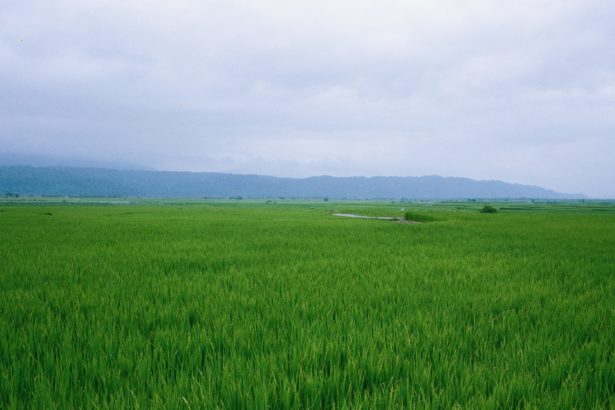
Rice multicultural practice: Four key elements for local sake brewing need breakthroughs
Li Jianwei / Heart of Sake 03: Let local sake brewing become a practice of rice multiculturalism! Four key elements need breakthroughs
-

What kind of ecological environment does Codonopsis pilosula need to grow?
One-year-old Codonopsis pilosula seedlings are trailing and rarely flower. Plants more than two years old are twining and generally flower. During the growing period, it has strong adaptability to the environment. Wild Codonopsis pilosula is distributed vertically at altitudes of 1400-2100 m, growing in zones with half shade and half sun or on shady slopes, with a slope of about 15°-20°. Codonopsis pilosula is a deep-rooted plant, suitable for growing in deep, loose, well-drained sandy loam rich in humus. The soil pH should preferably be neutral or slightly acidic, generally with a pH value between 5.5 and 7.5. Codon
-
Natural color-enhancing feeds for laying hens include pine needles, black locust leaves and mugwort leaves
Pine needle powder: made by air-drying and grinding pine needles. Generally, adding 3 percent to 5 percent to the feed gives a good color-enhancing effect, and can increase the egg production rate by 13 percent. Black locust leaf powder: the added amount of black locust leaf powder accounts for 5 percent of the feed, and the effect is better than pine needles; the yolk color can be raised from grade 1 to grade 9 and can remain stable without changing. Mugwort leaf powder: mugwort leaves contain nutrients such as fat, protein and various amino acids. Adding 2 percent to 3 percent mugwort leaf powder to the chicken diet can increase egg production by 12 percent to
-
How to prevent and control powdery mildew on Japanese euonymus? These methods you need to know
Symptoms: The disease affects leaves and twigs. The lesions are mostly distributed on the upper surface of the leaves. In the early stage of the disease, many small white round spots are scattered on the infected leaves. As the lesions gradually expand and merge with each other, they become irregular large spots. When the disease occurs severely, the infection rate of new shoots can reach 10%. White powder appears on the entire surface of the leaves and new shoots. The diseased leaves gradually lose green, turn yellow, and finally turn brown-black. The diseased parts become deformed, the diseased leaves shrink, and the diseased shoots twist and wither. Pathogen: The pathogen is Oidium euonymi (Are.) Sa
-
How to Grow Dendrobium Orchids? Mastering These Cultivation Tips Is All You Need
Dendrobium orchids, along with Cattleya, Phalaenopsis and Vanda, are ranked as the four major tropical ornamental orchid groups, and they are one of the largest genera in the orchid family. According to differences in their biological characteristics and ecological requirements, they can be divided into two major categories: deciduous dendrobiums and evergreen dendrobiums. There are many Dendrobium varieties, and those commonly grown for ornamental purposes include Dendrobium densiflorum, Dendrobium thyrsiflorum, Dendrobium phalaenopsis, Dendrobium nobile, Dendrobium primulinum, Dendrobium loddigesii, Dendrobium fragrans and others. Dendrobium flowers are beautiful in shape and form, making them important cut flower and potted plant varieties. To grow Dendrobium orchids well,
-
Wooden Tongue Disease in Cattle Is Highly Prevalent in Autumn, Farmers Need to Pay Attention to Prevention and Treatment
Wooden tongue disease in cattle is a type of excess heat syndrome caused by accumulated heat in the heart meridian and swelling and hardening of the tongue body. The symptoms of this disease are characterized by: the tongue body is swollen and hard, shaped like a wooden stick, and cannot move freely. This disease often occurs in autumn, mostly due to the dry autumn climate combined with excessive labor, rushing about too quickly, prolonged thirst without drinking, or feeding grain in excess while the animal is hot, which causes heat pathogen to accumulate in the heart and chest and attack upward to the tongue. Treatment: First, use crushed scallion leaves to rub and massage the surface of the cow's tongue until the tongue becomes soft. Then choose one of the following methods for treatment: (1) Coptis chinensis 2
-
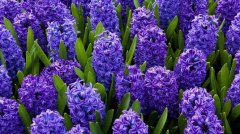
How do you grow hyacinths and what should you do after a hyacinth finishes blooming? Do hyacinths need sun?
Have you ever grown hyacinths? Then what problems did you run into while growing them? For example, how should you handle a hyacinth after it finishes blooming? Below are the common problems encountered when growing hyacinths; take a look and see if the answers you want are here. Q1. This year at i
-
How do you grow hyacinths, how do you handle them after they bloom, and do they need sun?
Have you grown hyacinths? Then what problems did you run into while growing them? For example, how do you handle hyacinths after they bloom? Below are the common problems encountered when growing hyacinths. Take a look and see if the answers you want are here. Q1. This year at i
-
How to grow Dendrobium orchids? These cultivation techniques you need to master
Dendrobium orchids, together with Cattleya, Phalaenopsis and Vanda, are ranked as the four major tropical ornamental orchid groups, and they are one of the largest genera in the Orchidaceae family. According to differences in their biological characteristics and ecological requirements, they can be divided into two major groups: deciduous dendrobiums and evergreen dendrobiums. There are many varieties of Dendrobium orchids, and among those commonly grown for ornamental purposes at present are Dendrobium densiflorum, Dendrobium thyrsiflorum, Dendrobium phalaenopsis, Dendrobium nobile, Dendrobium primulinum, Dendrobium loddigesii, Dendrobium fragrantum and others. Dendrobium flowers have beautiful shapes and postures, and are important cut flower and potted plant varieties. To grow Dendrobium orchids well
-
Do tea leaves have pesticide residues? Should you discard the first infusion?
Pesticides are now found everywhere on agricultural products, and even tea leaves contain pesticides. Some people discard the first infusion when brewing tea, pouring it away and not drinking it. Is this correct? How can you reduce the chance of ingesting pesticides when drinking tea? Director of the Tea Research and Extension Station of the Council of Agriculture
条件筛选