-
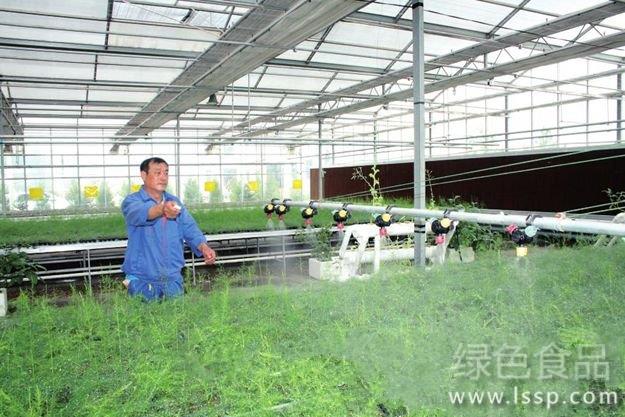
Management points for asparagus during the summer no-harvest period when the mother stalks consume a lot of nutrients
Asparagus management points during the summer no-harvest period when the mother stalks consume a lot of nutrients
-
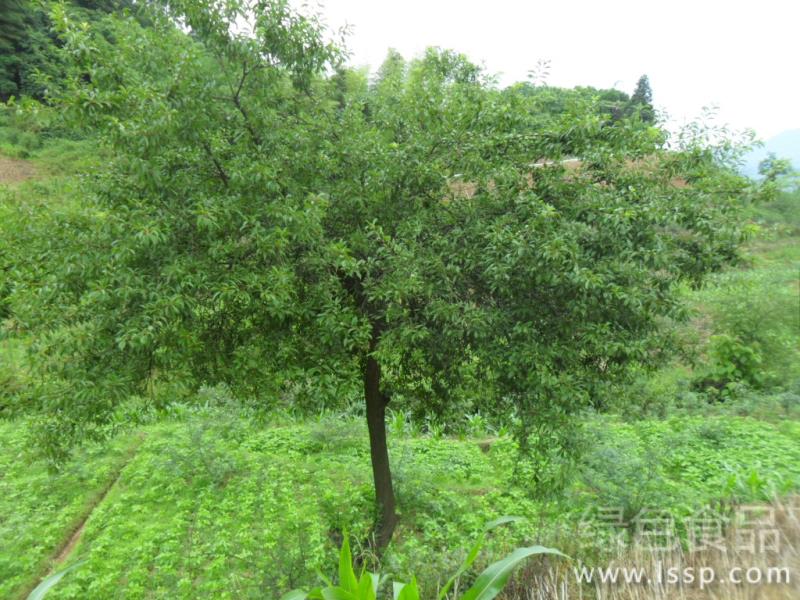
How to control the peach fruit moth in plum trees to avoid poor fruit appearance and low yield
How to control the peach fruit moth in plum trees when fruit appearance is poor and yield is low
-

Control Methods and Technical Key Points for the Flamboyant Tree Owlet Moth Pest
The flamboyant tree (Delonix regia) is known as one of the most brilliantly colored trees in the world; its name comes from its bright red or orange flowers combined with bright green bipinnate compound leaves, and it is commonly planted in Guangdong, Fujian, Sichuan and other places. The flamboyant tree has relatively few diseases and pests, but owlet moth pests are relatively common
-

Common pest of flowers and plants: control methods for the Cynthia silk moth (Philosamia cynthia)
Philosamia cynthia Walker et Felder belongs to the order Lepidoptera, family Saturniidae. Its main host plants include walnut, pomegranate, citrus, castor bean, prickly ash, tree of heaven (chushu), Chinese tallow tree, ginkgo, Machilus, camphor tree, white michelia, pagoda tree, willow, and others
-

Key Technical Points for Mother Plant Cultivation Management and Pest and Disease Control of Phalaenopsis
Phalaenopsis is currently mainly sold as commercial potted plants and cut flowers. Most native Phalaenopsis species have small flowers with inconspicuous colors. Commercially cultivated Phalaenopsis are varieties developed through artificial hybridization and selection, with rich and varied flower colors and forms, and flowers and flower types of different sizes. Today we will learn together about mother plant cultivation management techniques for Phalaenopsis.
-
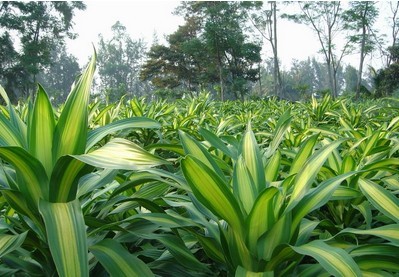
What are the control methods for the banana moth on Dracaena fragrans?
The banana moth (Opogona sacchari) is a quarantine lepidopteran pest worldwide, and in recent years it has spread rapidly from south to north in China. Studies show that, in addition to damaging Dracaena fragrans (the "Brazilian iron" cane), the banana moth also attacks Pachira aquatica (money tree), Dracaena draco, Hainan Dracaena, Chamaedorea elegans, poinsettia, sago palm, Rhapis excelsa and many other ornamental plants. At the same time
-
Potted Phalaenopsis (moth orchid) care methods and precautions: watering is key
Phalaenopsis, as its name suggests, looks like a butterfly, and with its bright colors it looks extremely beautiful. In daily life, the first consideration when growing flowers is beauty, so many flower lovers choose to grow Phalaenopsis, but many of them do not know how to grow Phalaenopsis. In this regard
-
Identification Methods and Control Techniques for Tea Geometrid Moths
Geometrid moths, commonly known as inchworms, are insects of the order Lepidoptera, family Geometridae. There are many species of geometrid moths in tea gardens, mainly the tung tree geometrid, the silver geometrid, the grey geometrid and the camellia geometrid, among which the tung tree geometrid occurs most frequently. The tung tree geometrid, also called the large geometrid, is the largest geometrid species occurring in tea gardens. Its larvae cause damage, with a large appetite and many host plants; in severe cases they eat all the buds and leaves of the tea garden, leaving bare stems. The adult of this insect is silvery grey, with a body length of 20-25 mm and a wingspan of 50-70 mm. The wing surface is densely covered with small black dots, the forewings have 3 relatively distinct yellow
-
Identification and Control Methods of the Tea Leaf-tier Moth
One of the boring pests of tea branches and trunks, also known as the tea branch sickle moth and tea stem borer, belonging to the order Lepidoptera, family Yponomeutidae (leaf-tier moths), with the scientific name Casmarapatrana Meyrick. It is distributed in all tea-producing provinces of China. Morphology: The adult has tea-brown body and wings, with a body length of 15-20mm and a wingspan of 32-40mm. The forewings are nearly rectangular, with a grayish-black outer margin, a large earth-yellow patch on the inner side, and a small red protruding spot near the center of the wing base. The egg is horseshoe-shaped, about 1mm long, and pale cream-yellow. The larva is slender, with a yellowish-white and slightly
-
What are the control methods for tea tussock moth in tea gardens?
The tea tussock moth, also known as the tea yellow tussock moth and the head-swaying worm, belongs to the family Lymantriidae of the order Lepidoptera. It is distributed in every tea-producing province nationwide and is an important pest in China's tea regions. It mainly damages tea leaves and can also damage oil tea, citrus and others. Young larvae bite and feed on old tea leaves, leaving a semi-transparent membrane, and later bite young shoots and mature leaves, leaving notches. The larvae feed in groups, often dozens to hundreds gathering on the underside of leaves to feed. When the outbreak is severe, tea leaves are eaten almost completely.
条件筛选