Management points for asparagus during the summer no-harvest period when the mother stalks consume a lot of nutrients
After the mother stalks of asparagus have formed and gone through more than 3 months of harvesting in spring, a large amount of nutrients has been consumed. At this time, the assimilation intensity of the mother stalk leaves and branches is already very low, while the respiration of asparagus is very vigorous because of the high temperature. Harvesting should be stopped and management strengthened, with the focus on water and fertilizer management, so that the plants can rest and quickly resume growth, laying the foundation for a high yield of asparagus in autumn.
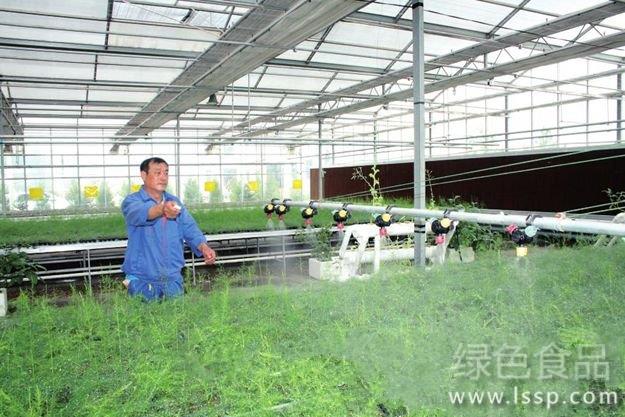
Asparagus management
1. Clean the field. After asparagus harvesting is stopped, carry out intertillage and weeding in time, and spread 150-200 kg of lime powder in the asparagus field and around it for disinfection. At this time, all the young spears growing from the asparagus should be kept and allowed to grow to form leaves and branches. When the new mother stalks have formed, the mother stalks kept in spring should be gradually cut down according to their degree of aging, removed from the field and burned.
2. Fertilizer and water management. In the coastal areas of southern China, the summer no-harvest period for asparagus is only about 40 days, and the autumn harvest of asparagus is carried out around "White Dew." For this reason, after the spring harvest ends, in order to help asparagus quickly resume growth, trenches should be opened immediately and rejuvenation fertilizer applied. Because the period is short, in addition to applying sufficient organic fertilizer as required for overwintering, quick-acting fertilizer should also be added to promote the growth of young spears. Apply 1500-2000 kg of decomposed farmyard manure, 15 kg of urea, 25 kg of superphosphate, and 10 kg of potassium chloride per mu of asparagus. In case of drought, increase the number of waterings, about once every 10-15 days, combined with fertilization. Since this time coincides with the rainy season, drain promptly after heavy rain.
3. Select and retain mother stalks. Mother stalks should be selected and retained 15 days before asparagus harvest, choosing healthy asparagus plants with a diameter of 1-5 cm and no pests or diseases as mother stalks. The selected mother stalks should be fully separated and reasonably distributed. For first-year seedlings, keep 2-3 plants per clump; for older asparagus fields, keep 3-4 plants per clump, and cut off all the rest to reduce nutrient consumption. After the mother stalks are selected, reinforce the supports to prevent lodging. When the young asparagus stalks grow to 70-80 cm, promptly remove the young heart 3-4 cm from the top of the young stalk to prevent it from growing too tall. After pinching, spray pesticide in time.
4. Pest and disease control. In asparagus fields that suffered from diseases such as stem blight in spring, fungicides with systemic or penetrating action, such as Tuzet or metalaxyl and zineb, can be mixed with water and poured at the base of the asparagus for prevention. After the young spears of asparagus emerge from the soil until the new mother stalks form, spraying for prevention should be strengthened. During the elongation of young spears, the stems can be painted with the pesticide; after branching occurs, switch to spray control, applying pesticide once every 5-7 days until the stem and leaf tissues age. At the same time, combine this with foliar topdressing. In addition, this time coincides with the peak outbreak period of the tobacco cutworm, so pesticide should be sprayed in time for control to kill its larvae.