How to control the peach fruit moth in plum trees to avoid poor fruit appearance and low yield
When plum trees are attacked by the peach fruit moth, in mild cases the development of the plum tree is affected, the plum quality is poor, and the yield is low. In severe cases the tree body weakens and its lifespan is short, and the plums cannot be eaten. So how should the peach fruit moth in plum trees be controlled?
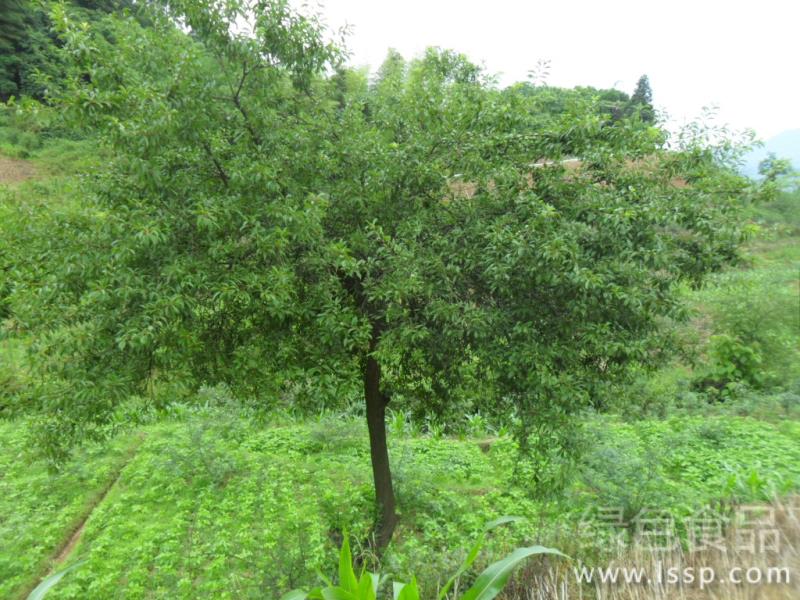
Plum tree
1. Mound soil at the base of the trunk. In mid-to-late May, before the overwintering-generation adults emerge from the soil, build a mound of soil 10cm thick on the tree plate of the plum tree and tread it down firmly, so that the emerged adults cannot come out of the soil.
2. Apply pesticide to the ground. After the plum blossoms fall and before the overwintering-generation adults emerge, spray the tree plate with 75% phoxim emulsifiable concentrate at 0.5 kg/mu, or 40% dimethoate emulsifiable concentrate at 500 times dilution, and after spraying rake it evenly so that the pesticide and soil mix, improving the insecticidal effect. Before the physiological fruit drop of the plum, spray the soil under the tree canopy once with 50% phoxim emulsifiable concentrate at 1000-1500 times dilution for ground control.
3. At the end of blossom drop, when the plums are the size of a wheat grain, spray the first application; dichlorvos, deltamethrin, fenvalerate, or fluvalinate can all be used, spraying once every 7-10 days, with very good results.
4. Biological control: treat the soil under the canopy of the plum tree, such as with Beauveria bassiana, or release young chickens in the plum orchard.
5. Keep the plum orchard clean and sweep up all fallen plums to reduce the source of insects the following year.