What causes the leaves of a clivia (Clivia miniata) to droop
Clivia, as an ornamental flowering plant with fairly high ornamental value, is widely popular in our country. It is now grown in pots in all parts of our country, but when we cultivate clivia, we often run into many problems. For example, yellow leaves, wilting, drooping leaves, and so on, all of which have a great impact on the ornamental value of clivia. So today, the editor will introduce to you the reasons why clivia leaves droop. Let us take a look together below!
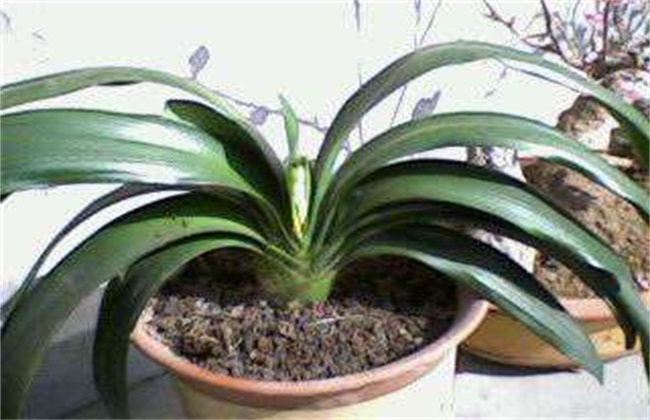
1. Temperature reasons
Temperature is very important for the growth of clivia. Because clivia is relatively sensitive to temperature changes, if the temperature is unsuitable, it can very easily cause poor growth in clivia. And if it is kept in an unsuitable temperature environment for a long time, then the leaves will show adverse phenomena such as wilting and drooping. So when we cultivate clivia, we must be sure to control the temperature well. The temperature suitable for clivia growth is around 20 degrees, and it must not be too high or too low. If the drooping is caused by temperature, adjusting the temperature in time will allow it to slowly recover.
2. Improper watering
When cultivating clivia, watering is very important. If clivia lacks water during growth, the leaves of the clivia will dry up and wilt due to water loss, thus showing the phenomenon of drooping leaves. But there should not be too much water either, because if there is too much water, it will affect the respiration of the clivia roots, thereby affecting the roots' absorption and respiration, and causing the phenomenon of drooping leaves. So when we water, we should keep the soil dry-then-wet. According to seasonal changes, control the amount and frequency of watering well to meet the water needs of clivia.
3. Excessive fertilizing
Although clivia has a certain demand for fertilizer during growth, we must also strictly control the amount of fertilizer when applying it. If too much fertilizer is applied and the fertilizer concentration is too high, then the excessive heat generated by the fertilizer will burn the clivia's fibrous roots, inhibit root growth, and cause adverse phenomena such as yellow leaves and drooping leaves. Therefore, if too much fertilizer has been applied, promptly add a large amount of water to dilute the fertilizer, and in severe cases dig out the clivia plant and replace it with new soil. When fertilizing, follow the principle of applying more frequently but in small amounts, and do not apply too much at each fertilizing.
4. Unsuitable light
Light is also one of the main reasons causing clivia leaves to droop. In summer, during the season of strong light, if the clivia leaves are exposed to direct sunlight, then the leaves will be scorched as a result, thereby affecting the normal growth of the leaves and causing drooping. But it also must not be kept in shade without light for a long time, otherwise the photosynthesis of the leaves will be blocked, thereby affecting the accumulation of photosynthetic substances in the leaves and causing the leaf color to become dull and the leaves to droop. So we should pay attention to controlling light well. In summer, pay attention to shading and cooling, while in winter it can receive sunlight normally, ensuring a suitable light environment.
The above is a brief introduction to what causes clivia leaves to droop. That is all for today's introduction. This article is for reference only, and we hope it can be helpful to everyone!