-

How to propagate the money tree? A detailed introduction to common propagation methods
The money tree (Pachira aquatica) is mainly propagated by seed, and seeds are not easy to obtain at home. Its seed is like a large melon, and once it grows to a suitable size it is suitable for ornamental display. Growers completely cut off its roots and canopy, ship its trunk to florists, then place the trunk in a greenhouse to re-root it as a cutting, letting it grow new roots and send out new shoots, and then plant it in a pot.
-
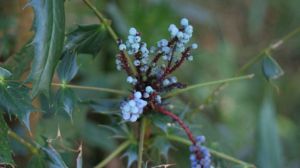
A Detailed Guide to the Cultivation Methods of Mahonia fortunei 'Anping'
Soil: a loose, well-drained, fertile substrate, with base fertilizer applied. Water: keep the soil moist but not waterlogged. Light: it is shade-tolerant, so provide shade promptly during high temperatures. Temperature: the summer temperature must not be too high, and in winter grow it indoors in a spot with ample sunlight. Fertilizing: fertilize once every 20 days during the growing season, preferably with diluted decomposed cake fertilizer water; hoe weeds 3-5 times a year.
-

How to grow a Kalanchoe? Detailed Guide to Care Methods and Precautions
Temperature: Give it a growing environment of 15-25°C, not higher than 30°C or lower than 5°C. Light: In winter and spring it needs plenty of light, while in midsummer it should not be exposed to direct sunlight. Soil: Use a sandy soil with good air permeability and humus content. Watering: Follow the principle of watering thoroughly only after the soil has dried out; do not let water accumulate for long periods. In addition, prevent and control pests and diseases, and prune off spent flowers.
-

How to Grow Pothos? Detailed Guide to Care Methods and Precautions
Temperature: It is best to give it a growing environment of 15-25°C, and do not let it go below 0°C. Light: Give it bright indirect light; direct sunlight is not recommended. Water: Keep the potting soil moist; do not water too much or too little. Fertilizer: During the growing season, apply a dilute fertilizer once every half month. In addition, promptly prevent and control pests and diseases, and promptly prune overly long stems.
-
How to Grow Pothos? Detailed Guide to Care Methods and Precautions
Temperature: It is best to give it a growing environment of 15-25°C, and do not let it go below 0°C. Light: Give it bright, indirect light; direct sunlight is not recommended. Water: Keep the potting soil moist; do not water too much or too little. Fertilizer: During the growing season, apply a dilute fertilizer once every half month. In addition, promptly prevent and control pests and diseases, and promptly prune overly long branches.
-
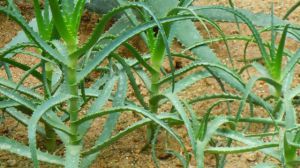
What are the cultivation methods for Aloe arborescens?
Soil: Growing Aloe arborescens requires a slightly neutral soil with good water permeability and a relatively high organic matter content. Temperature: Its optimal growing temperature is 20-30°C. In winter, it is best to keep the temperature above 10°C. Water: It is drought-tolerant but not waterlogging-tolerant, so watering should follow the principle of rather dry than wet.
-
What are the cultivation methods for Aloe arborescens?
Soil: Growing Aloe arborescens requires a slightly neutral soil with good drainage and high organic matter content. Temperature: Its optimum growth temperature is 20-30°C. In winter, it is best to keep the temperature above 10°C. Water: It is drought-tolerant but not waterlogging-tolerant, so watering should follow the principle of preferring dry over wet.
-

What to Do If Phalaenopsis Leaves Have Black Spots? Causes and Control Methods
There are many reasons why Phalaenopsis leaves develop black spots: if the black spots appear due to strong light exposure, shade the plant promptly; if caused by a poor environment, move the plant to a clean environment; if caused by disease, promptly remove the affected leaves and spray with medication; if caused by low temperatures, raise the temperature to 20-24°C.
-
What to Do About Black Spots on Phalaenopsis Leaves? Causes and Control Methods
There are many causes of black spots on Phalaenopsis (moth orchid) leaves: if the black spots are caused by strong light, shade the plant promptly; if they are caused by a poor environment, move the plant to a clean environment; if they are caused by disease, remove the affected leaves and spray promptly; if they are caused by temperatures that are too low, raise the temperature to 20-24°C.
-

What to do when mint wilts in hot weather? Master the first-aid methods while there is still time
The hot summer has arrived, and the mint at home has finally grown big enough to be made into tea, but unexpectedly the mint that filled the whole pot has run into all kinds of problems. Huahua is here to offer advice and teach everyone how to solve the troubles of bugs and diseased leaves, so the tea can be brewed~
条件筛选