-

How to Prune and Shape Bougainvillea? Detailed Methods and Techniques
Bougainvillea has a high branching rate and is also a vine, so to maintain its graceful tree shape it needs frequent pruning and shaping. Generally, pruning can be done twice a year. One is combined with repotting, cutting off overly dense branches, weak branches, diseased and pest-affected branches, and leggy branches from the base...
-
The role, environmental requirements and care methods of West Lake tamarisk bonsai
There are many varieties of tamarisk, and it also has a distinctive name called weeping tamarisk; it is a deciduous small tree. Its young branches can also be used as medicinal material, with effects in treating illnesses such as colds and rheumatic bone pain. Its branches are slender and soft, and when it blooms...
-
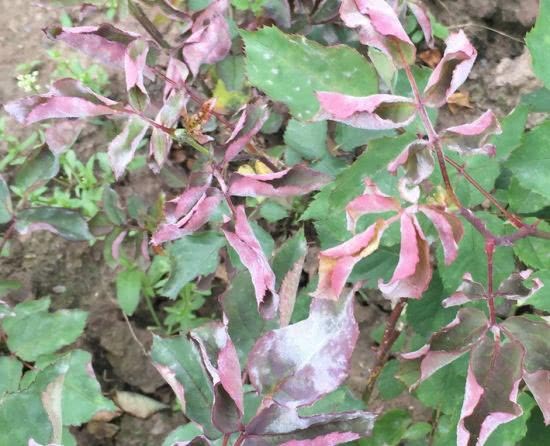
What to Do When Roses Get Powdery Mildew? A Detailed Guide to Prevention and Control Methods
Powdery mildew is a common disease of roses and can harm many plants in the genus Rosa. Diseased roses develop curled, scorched leaves, young shoots may die, and flowers may fail to open or become misshapen, affecting the plant's growth and ornamental value....
-
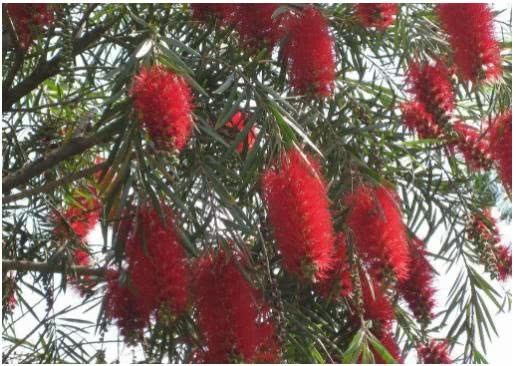
The Uses and Care Methods of the Bottlebrush Tree, with Bright Red Flowers Bringing Prosperity
The bottlebrush tree (Callistemon) is a plant that stays green all year round. It likes to grow in moist environments, and its colors are vivid, giving it extremely high ornamental value. So, I wonder if flower lovers also know what uses the bottlebrush tree has? 1...
-
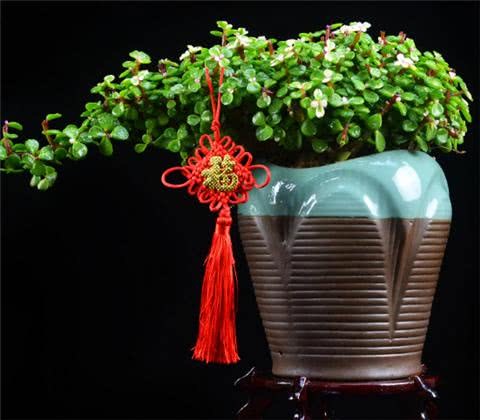
Bonsai Methods for Elephant Bush: Beautiful Shapes, Elegant Living
Elephant bush bonsai looks very beautiful, with the shape trained from many years of old stock, an elegant plant form, and verdant color, giving a sense of natural dignity. Let's take a look below at how to make an elephant bush bonsai! Methods for making an elephant bush bonsai (1). Selection of the plant. Generally...
-
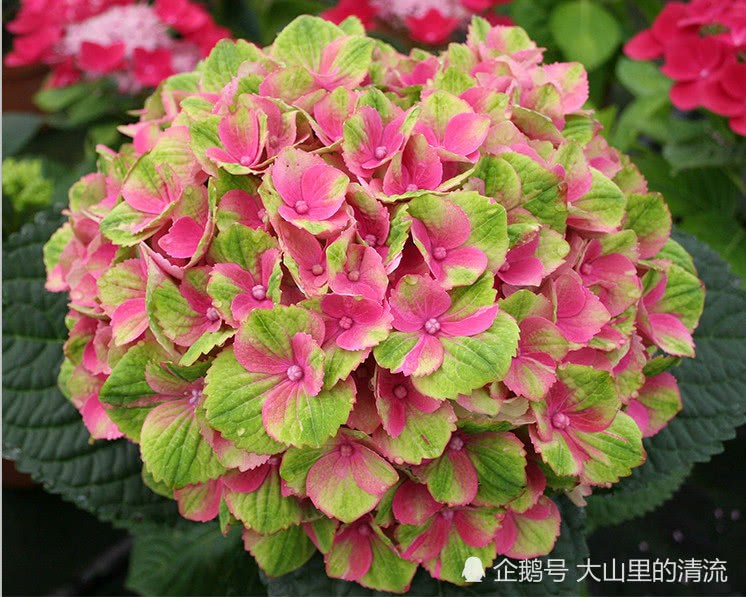
Spring care methods and precautions for hydrangeas
Although summer has already arrived now, and hydrangeas are currently in their glorious blooming period, how to make them bloom well right now makes spring care very important. If you don't know how to manage them and have missed this year's spring, you can still learn it and save it...
-
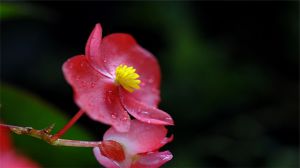
How to sow wax begonia seeds? Detailed sowing methods and steps
To sow wax begonia, choose a flower pot that has good air and water permeability and is slightly shallow, along with loose, nutrient-rich soil, and choose April or May as the sowing time. When sowing, first put the coarser soil in the lower part of the container, then mix the seeds with finer soil and scatter it on the surface of the potting soil, and finally cover it with a layer of plastic film.
-
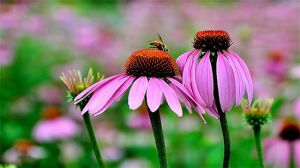
How to grow purple coneflower (Echinacea) from seed? Sowing methods and key care points
Sowing purple coneflower seeds is best done in late April or early September. Choose soil with good drainage and aeration, and select plump seeds that are not damaged. The sowing method is to sow mixed with soil: first put half of the soil into the container, then mix the other half of the soil evenly with the seeds and pour it into the container, and finally water thoroughly.
-
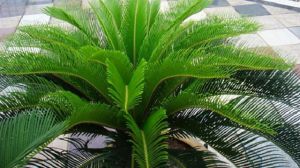
What are the cultivation methods and precautions for sago palm (Cycas revoluta)?
Soil: Sago palm needs a well-drained, loose, fertile, slightly acidic sandy soil. Light: place it in a spot with plenty of sunlight, especially when it is growing new leaves. Temperature: in winter it should not go below ten degrees; during high temperatures, spray water to cool it down. Water: once every three to five days in spring and autumn; twice a day in summer; once every ten days in winter. Fertilizer: mainly nitrogen and potassium fertilizers.
-
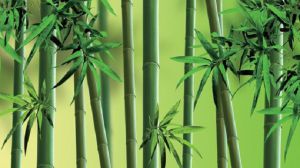
How to grow bamboo? Detailed guide to cultivation methods and precautions
Soil: To grow bamboo, use loose, fertile sandy soil, preferably neutral or acidic. Watering: Water thoroughly right after transplanting, but do not water too much afterward. Fertilizing: When planting or transplanting, you can mix some fertilizer into the soil, and after it grows, apply regular topdressing. Light: In summer it needs shading, and in winter place it in a spot with good light. Pests and diseases: Once discovered, promptly deal with diseased leaves.
条件筛选