-

A Detailed Explanation of the Occurrence Patterns and Control Methods of the Ginger Borer
The ginger borer (also known as the corn borer, belonging to the Lepidoptera order and the Pyralidae family) is a major pest harming ginger. It has a very diverse diet; when causing damage, its larvae bite and feed on tender stems, then bore into the stalk (with frass and insect droppings accumulating at the entry hole), obstructing the transport of water and nutrients, causing the stems and leaves above the bore hole to turn yellow and wilt, and to break very easily under external force. 1. Occurrence patterns. The ginger borer generally produces 3-4 generations per year in our area, and its concentrated damage period coincides exactly with the vigorous growth period of ginger plants. Larvae move between plants to cause damage
-
Introduction to several common propagation methods for lotus root
-- Lotus seed propagation. Since lotus seeds are covered with a hard shell, first crack the sunken end of the shell, then soak it in water at 26-30°C to promote germination. Once the sprout grows, it must still be kept in water to prevent dehydration and shriveling. When it reaches 4 leaves and 1 runner, it can be planted out in the field. Because lotus seed propagation grows slowly in the early stage, seedlings must be raised in a protected area 1 month in advance to form lotus root of commercial value in the same year. -- Whole lotus root propagation. Plant the entire main lotus root together with its daughter lotus roots and granddaughter lotus roots at a certain row and plant spacing. The planting method is to insert the top end
-
Garlic Processing Methods: How to Make Dehydrated Garlic Flakes and Sweet-and-Sour Pickled Garlic
1. Dehydrated garlic flakes: Select fresh garlic bulbs that are well matured, free of injury, free of pests and diseases, white in color, and large in size. After removing the stem ends, separating the cloves, and peeling, slice them while keeping them wet, then rinse them in a citric acid aqueous solution to reduce the activity of garlic enzymes. Note that rinsing must be completed within 24 hours after slicing, so that the garlic flakes do not produce colored pigments due to oxidation, which would affect the color of the finished product. Place the rinsed garlic flakes in a temperature-controlled dehydrator and control the temperature in three stages: keep the temperature at around 60°C in the early stage, increase the temperature appropriately in the middle stage, and keep it above 70°C in the later stage, but it must not exceed 7
-
Key Points and Detailed Methods for Garlic Scape Storage and Fresh-keeping Technology
From the current theoretical research and practical experience on garlic scapes, the combined storage and fresh-keeping technology of low temperature, restricted air, and preservatives is relatively successful, which can store high-quality garlic scapes for more than 270-300 days, or even achieve year-round storage, with a good shoot rate of 96%, and the stored garlic scapes have bright green color, crisp and tender texture, and excellent flavor. 1. Operating procedures: cold storage disinfection and sterilization -> selection of storage-tolerant varieties -> determination of harvest period -> pre-harvest treatment -> harvesting and purchasing -> short-distance transport -> heat dissipation -> pre-storage processing -> pre-cooling and sterilization -> bagging
-
Introduction to the Variety Characteristics and Cultivation Methods of Dutch Parsley
Variety origin: native to the Netherlands. Introduced from the Beijing Academy of Agriculture and Forestry Sciences. Characteristics: prefers a cool climate, relatively cold-tolerant, with optimal growth at around 20 degrees Celsius; long daylight easily promotes bolting and reduces quality, so it should be cultivated in protected areas with delayed autumn planting or advanced early planting. Cultivation points: transplant when seedlings are about 40 days old, water frequently with small amounts, keep the soil moist, apply sufficient base fertilizer, ensure topdressing, and take care to prevent the soil from drying out and waterlogging in the field.
-
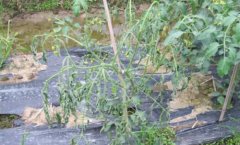
How to prevent and control bacterial wilt in tomatoes? Detailed explanation of the best treatment methods
Tomato bacterial wilt is a very serious disease in tomato cultivation. If it is not managed well, it can easily cause major damage. So how should it be managed? Let's take a look together. Pathogen: This disease is caused by Pseudomonas solanacearum. The bacterium belongs to the non-fluorescent pseudomonad
-

A Detailed Guide to Vegetable Growing Techniques and Practical Methods
If you are a first-time vegetable grower, it is best to grow wild vegetables. So-called wild vegetables include such plants as Madeira vine, Gynura bicolor, sweet potato leaves, ginseng herb, aloe, Taiwan angelica, and shungiku. Wild vegetables are easy to grow and high in energy, but they have a distinctive taste of their own, so insects dislike coming near them, and they can grow well without pesticides
-

-

How to grow celery seedlings? Detailed explanation of methods and key technical points
How should celery be grown from seed?
-

条件筛选