-
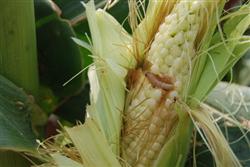
What are the control methods for corn borers?
How to control corn borers? Please explain the methods. Corn borers (corn borer) are a major pest of corn. In years with severe infestation, they can reduce corn yields by more than 20%. Their larvae bore into the main stalk and ears, which can break the main stalk of corn, causing reduced yield and quality. In the past, controlling corn borers mostly used methods such as pouring pesticide solution into the whorl, spraying, or applying poisoned soil into the whorl, which was labor-intensive and ineffective, and easily caused crop damage and human and livestock poisoning. Using granule formulations to control corn borers not only has low cost, saves labor, and is effective, but also is unlikely to cause human and livestock poisoning or crop damage. The following points should be mastered:
-
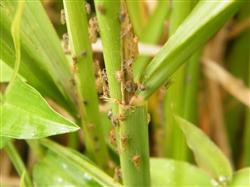
How to control brown planthopper? Detailed explanation of control methods and techniques
How to control brown planthopper? Please introduce methods for controlling brown planthopper. It is necessary to apply insecticides at the appropriate time according to the occurrence and damage characteristics of brown planthopper, and select suitable insecticides according to the occurrence situation of brown planthopper in the field. Occurrence and damage characteristics of brown planthopper: brown planthopper is a migratory pest and cannot overwinter north of 25°N...
-
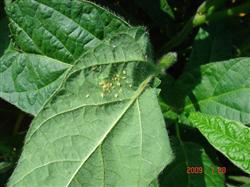
How to control soybean aphids? Growers, master these methods
How to control aphids when growing soybeans? Please provide methods. The soybean aphid is an important pest damaging soybeans. In recent years, due to the occurrence of warm winters and neglect of control, soybean aphid damage has worsened year by year. According to forecasts, soybean aphids will occur at a moderate-to-heavy level in 2000. For this reason, we have preliminarily studied their occurrence patterns and...
-
How to Control Weeds in Cotton Fields? A Detailed Guide to Practical Methods
How to control weeds in cotton fields? Please provide methods. When growing cotton, you can refer to the following methods for weed control: (1) Types and occurrence characteristics of cotton field weeds. China is one of the world's major cotton-producing countries, with Shandong, Hebei, Henan, Jiangsu, Hubei, Xinjiang, and Anhui among the main cotton regions. Cotton field weeds mainly include 2...
-
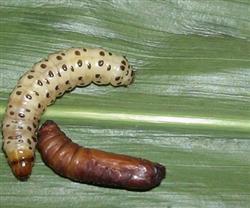
What are the control methods for ginger bacterial wilt and ginger stem borer?
How do you control ginger bacterial wilt and ginger stem borer? Please explain the control methods. For ginger bacterial wilt and ginger stem borer, the following methods can be used for control: 1. Bacterial wilt. This disease, also known as ginger rot, is the most common devastating disease in ginger production and is also the main factor restricting ginger production and quality. In recent years...
-
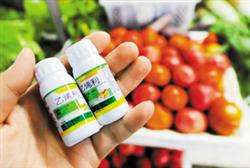
Bt insecticide application techniques matter; mastering the method is key
Ethephon is an organophosphorus broad-spectrum low-toxicity plant growth regulator that promotes ripening. It can enter the plant through leaves, bark, fruit, and seeds, then be transported to the sites where it acts, releasing ethylene. It can promote fruit ripening and coloring, promote the abscission of leaves and fruit, dwarf plants, and change the ratio of female to male flowers...
-
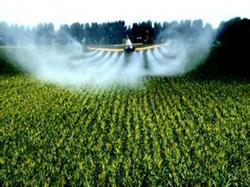
How to apply insecticides scientifically? Correct methods and techniques
To control crop pests with pesticides and achieve the best insecticidal effect, in addition to selecting the right targeted agent and applying it at the right time, you should also pay special attention to the following two issues that are easily overlooked. Different agents and different application methods should be chosen according to the part of the plant the pest damages, so that the pesticide is delivered to the right place. For example, for pests that damage...
-
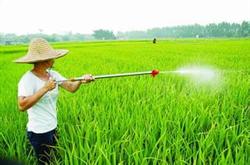
What are the scientific methods for using bacterial biological insecticides?
From rice sowing to the seedling stage, farmers should focus on controlling seed-borne diseases (bakanae disease, rice blast at the seedling stage, white-tip nematode disease, etc.), the small brown planthopper, and the first-generation stem borers. At the rice booting stage, the focus should be on controlling pests and diseases such as the rice planthopper, rice leaf roller, stem borers, ear blast, and rice false smut. At the rice ear stage, the rice planthopper is the main target, along with...
-
Using specific insecticides requires particular care; mastering the method is key
Generally speaking, specific insecticides have different active ingredients, each with its own characteristics, and they also have different insecticidal mechanisms of action (that is, the principles by which pesticides kill pests). Varieties of this type often used in production today include: chlorfluazuron, buprofezin, flufenoxuron, diflubenzuron, bisultap, monosultap, imidacloprid, fipronil...
-
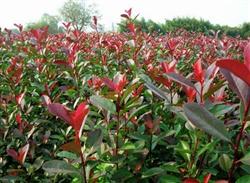
Methods for Using Plant Growth Regulators on Flowers and Trees
Plant growth regulators play important roles in regulating the growth of ornamental plants, preventing excessive leggy growth, promoting rooting, cultivating strong seedlings, controlling sex differentiation, preventing flower and fruit drop, enhancing resistance, and preserving freshness during storage. However, the methods of using different plant growth regulators vary depending on the type of agent, the target plant, the purpose of use, and the plant's growth conditions...
条件筛选