How to control soybean aphids? Growers, master these methods
How to control aphids when growing soybeans? Please provide methods. The soybean aphid is an important pest damaging soybeans. In recent years, due to the occurrence of warm winters and neglect of control, soybean aphid damage has worsened year by year. According to forecasts, soybean aphids will occur at a moderate-to-heavy level in 2000. For this reason, we have preliminarily studied their occurrence patterns and...
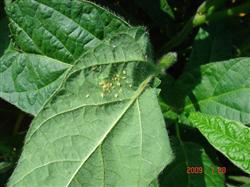
How to control aphids when growing soybeans? Please provide methods
The soybean aphid is an important pest damaging soybeans. In recent years, due to the occurrence of warm winters and neglect of control, soybean aphid damage has worsened year by year. According to forecasts, soybean aphids will occur at a moderate-to-heavy level in 2000. For this reason, we have preliminarily studied their occurrence patterns and integrated control techniques.
1. Damage The soybean aphid has a habit of favoring tender growth. Adults and nymphs pierce and suck sap on the growing points, tender top leaves and tender stems of soybean plants. In severe cases, they cover the stems and leaves, and young pods are also damaged, causing leaves to curl and turn yellow, plants to become stunted, root development to be poor, the number of branches and pods to decrease, 100-seed weight to drop, and yield to decrease, or even the whole plant to die. Generally, fields lose 20%-30% of yield, and in severe cases up to 50%. In addition, the soybean aphid can also transmit mosaic virus disease.
2. Occurrence patterns The soybean aphid is characterized by early patchy occurrence and rapid spread later. In mid-to-late May, after soybean seedlings emerge, they migrate from the primary host, Rhamnus davurica (laoguayan), into soybean fields and begin damaging seedlings. Because the rate of migrated plants is only about 1%, only patchy occurrence is seen at this time. In late June, before soybean flowering, the aphids quickly spread throughout the field. In mid-July, during full bloom of soybeans, if conditions are suitable, soybean aphids reproduce rapidly and gather on the top leaves and tender stems and leaves of branches to cause damage, resulting in a major aphid outbreak.
3. Reasons for moderate-to-heavy occurrence (1) The large-scale use of insecticides has sharply reduced the number of natural enemies of the soybean aphid, such as green lacewings, aphid-eating lady beetles, hoverflies and parasitic wasps, while the aphid's pesticide resistance has gradually increased. (2) In recent years, winter temperatures have generally been high, with warm winters occurring, increasing the survival rate of overwintering eggs of the soybean aphid and causing a sudden increase in pest numbers. The temperature, rainfall and relative humidity from June to July are also favorable for soybean aphid reproduction. (3) Insufficient attention and delayed control.
4. Integrated control techniques The principle of rational pesticide use and protection of natural enemies should be implemented. Early control means applying pesticides when soybean aphids occur in patches, to prevent spread and damage. (1) Seed treatment: coating with soybean seed dressing agent can control underground pests and early aphids. (2) Dusting: dust with 1.5% dimethoate powder or 1.5% miehaojing powder or 2% fenitrothion powder, at 1.5-2 kg per mu. (3) Spraying: spray with 40% dimethoate emulsifiable concentrate or 50% mieyajing emulsifiable concentrate or 50% phoxim emulsifiable concentrate at 1500-2000 times dilution.
Click for moreSoybean cultivation techniques
Click for moreInsecticide application techniques
Click for more pesticide application techniques