-
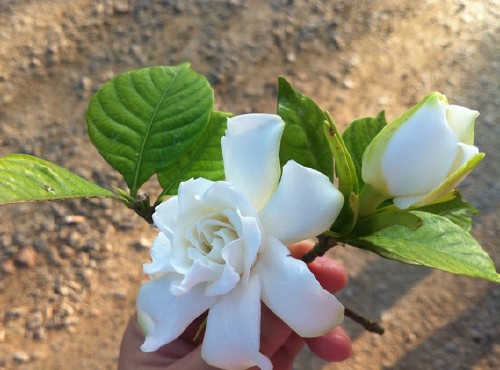
Detailed Explanation of Gardenia Seed Sowing and Cultivation Methods
Generally, select plump, deep-red ripe fruits, dry them in the sun or in the shade with the husk still on to use as seed. Before sowing, cut open the seed husk with scissors, dig out the seeds, rub them apart in hot water, remove floating seeds or impurities, then scoop out the sunken, plump seeds, spread them on a bamboo mat, and place them in a ventilated spot to dry off excess moisture
-
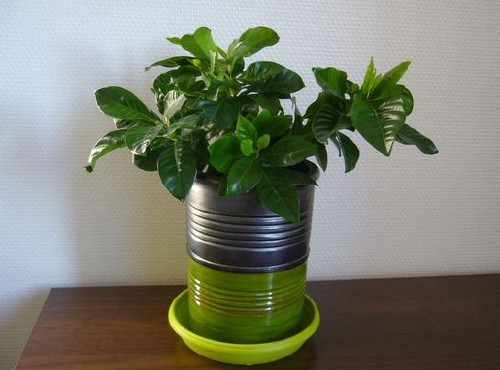
Detailed Guide to Fertilizing Methods and Techniques for Gardenia Cultivation
Gardenias love fertilizer. When grown in pots, besides applying organic fertilizer as a base fertilizer when repotting, they should also be top-dressed frequently during the growing period, and it is best to apply light fertilizer frequently. During the growing period, apply an organic liquid fertilizer once about every 10 days, preferably cake fertilizer water at a concentration of 10%-15%; after buds appear, apply 2-3 additional doses of quick-acting phosphorus fertilizer
-
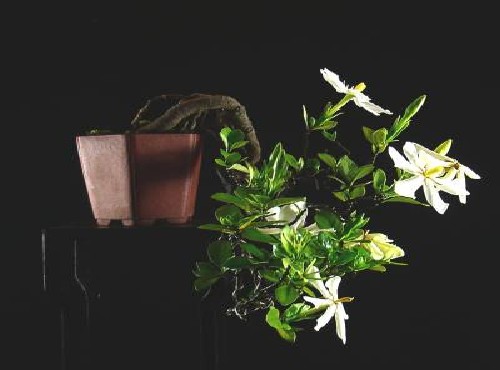
How to Water a Gardenia Bonsai? A Detailed Guide to the Correct Method
Gardenias like moisture. If the air humidity drops below 70%, it will directly affect flower bud differentiation and the growth of flower buds, but too much moisture will cause root rot, withered branches, yellowing leaves and leaf drop. In addition to normal watering, you should often spray the leaves and the nearby ground with clean water to appropriately increase air humidity. Gardenia is also called water gardenia
-
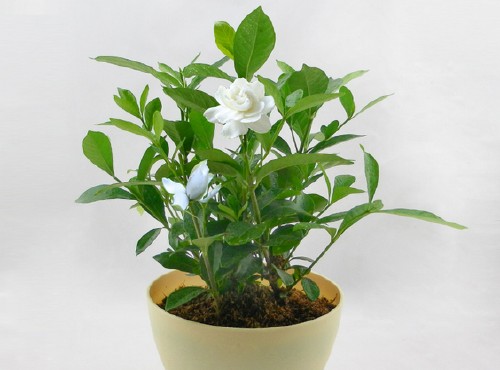
What are the propagation methods for gardenia bonsai?
The cultivation of gardenia bonsai is mainly based on cuttings propagation, but layering, division or seed propagation can also be used. For cuttings, in March-April use 1-2 year old robust branches as cuttings, 10-12 cm long, with the lower end cut at a node, the upper part with 1-2 pairs of leaves, inserted to a depth of 23, after insertion water thoroughly, and keep a certain humidity regularly
-
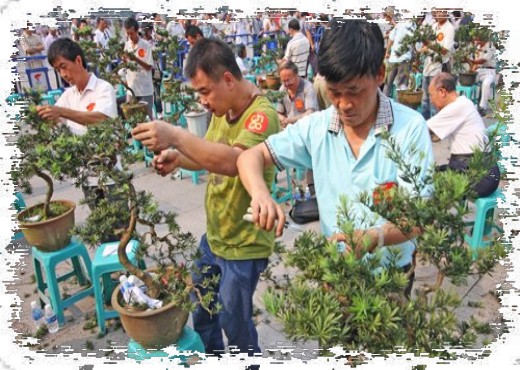
A Detailed Guide to the Processing and Shaping Methods for Bonsai Tree Stock
Seedlings grown from a young age generally begin to be processed and shaped after about 3 to 5 years; for tree stumps collected from the mountains and wilds, most can be processed and shaped after just one year of stock cultivation. Before processing, field-grown tree stock can be dug up and temporarily planted in a pot of basically suitable size, to make it easier to work with and shape. Large tree stock can also be processed and shaped on the spot.
-
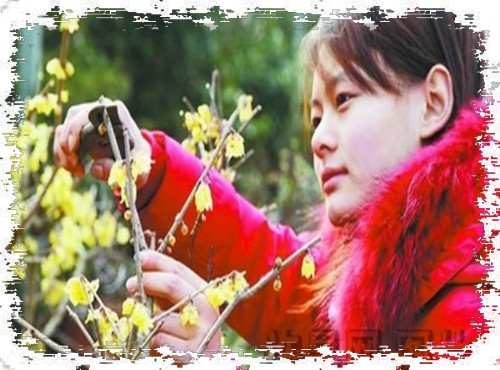
How to prune and wire a plum blossom bonsai? Detailed technical methods
Bonsai creation requires a certain level of skill and experience. To shape a bonsai with strong ornamental value, one simply cannot do it without five or six years of cultivation and shaping expertise. The two most critical techniques in bonsai shaping are pruning and wiring. Pruning techniques: some early woody flowering plants that bloom before leafing out
-
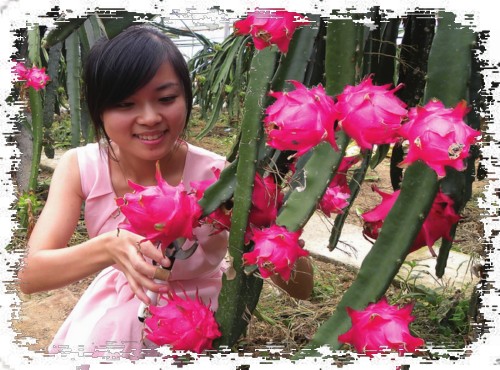
How to prune stump bonsai? A detailed guide to the correct pruning method
Bonsai trees are still growing continuously. If they are allowed to grow naturally without suppression, it will inevitably affect the tree's shape and cause it to lose its artistic value. Therefore, timely pruning is necessary: long shoots should be cut short, and dense shoots should be thinned out, so as to maintain a graceful tree shape and appropriate proportions. Tree bonsai often produce many new branches, and to maintain their attractive shape
-

Branch selection and shaping methods for Chinese ash (Fraxinus hupehensis) bonsai stumps
Fraxinus hupehensis belongs to the Oleaceae family, genus Fraxinus. Native to Jingshan in western Hubei, it is a deciduous tree reaching over 30 m in height. Young and middle-aged trees have smooth, pale grayish-green bark, while middle-aged and old trees have vertical dark gray furrows. The new shoots that sprout in the first year should be handled according to the vigor of sprouting and branch growth of each stump. For vigorous trees
-
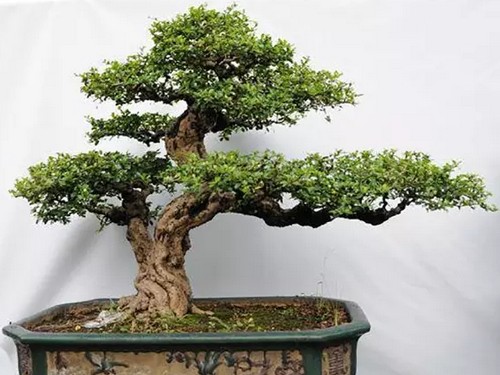
How to prune a Fukien tea bonsai? Mastering the method is key
Fukien tea (Carmona retusa) is an evergreen small shrub with dense branches, and comes in three types: large-leaf, medium-leaf, and small-leaf. Among them, the small-leaf Fukien tea grows slowly, has small, dark green leaves that are glossy and lovely, a well-developed root system with gnarled, intertwined roots, and an elegant, antique posture that makes it very appealing. Fukien tea has extremely strong growth vigor and is highly tolerant of pruning
-
What are the propagation methods for the Ardisia crenata bonsai?
As a rising star in the large family of flowers, Ardisia crenata has long been a fashionable auspicious flower for Christmas, New Year's Day, the Spring Festival and the Lantern Festival, deeply loved for filling homes with prosperity, and at the Kunming Expo and the Cross-Strait Flower Expo it won the highest award in the fruit-ornamental flower category
条件筛选