-
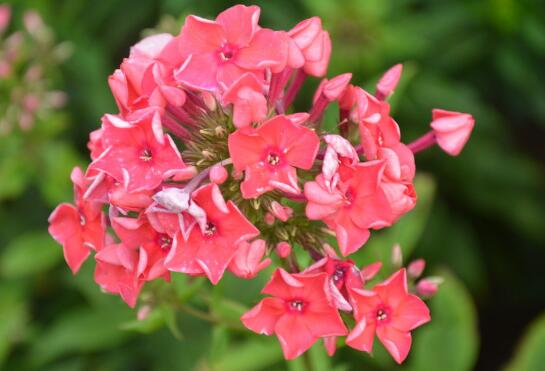
Is Verbena toxic? It is non-toxic and has many benefits when grown indoors
Verbena is a highly ornamental plant, so many people want to grow one at home. However, many plants are somewhat toxic, so this is something to pay attention to when growing them. So, is verbena toxic? Is verbena suitable for growing indoors? Let's take a look below.
-

How many years does a desert rose take to bloom? Reasons it won't bloom and solutions
Many flower lovers choose to grow desert roses because they are attracted by their unique flowers, but many flower lovers find that the desert roses they grow do not bloom for a long time, and are therefore very puzzled. So how many years does a desert rose take to bloom? When does a desert rose bloom? The editor will give you a detailed answer.
-
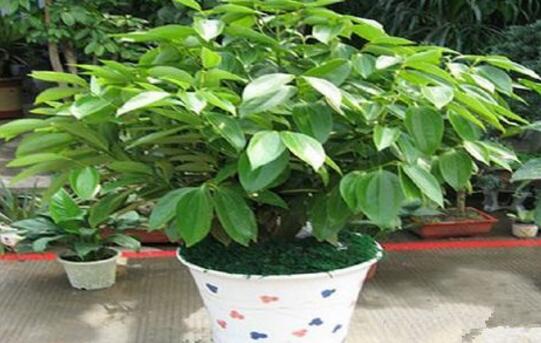
A detailed guide to repotting the Peace Lily tree, and how many days after repotting to water it
How to repot the Peace Lily tree. In our guide to growing the Peace Lily tree and things to watch out for, we covered its soil requirements. Usually, a breathable, well-draining, acidic, fertile soil containing organic matter is best, with a pH of up to 7.5
-
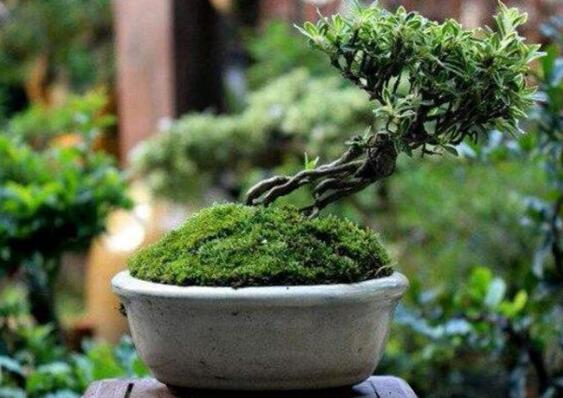
How many years can a Serissa japonica bonsai live? Pruning is key in the creation method
Serissa japonica, a very beautiful flowering plant, has a graceful form and is overall short, making it an excellent choice as a bonsai placed indoors. In life, we value the saying: help yourself and you will have plenty. Since the Serissa japonica bonsai is so beautiful, have you ever thought about making one yourself?
-

How many times a year can bougainvillea bloom? With proper care, the flowering period can last a whole year
As an excellent choice for indoor growing, bougainvillea is very beautiful and is one of the favorites among flower enthusiasts. Most of the beauty of bougainvillea is shown in its flowers, so the flowering period of bougainvillea attracts the attention of many flower enthusiasts. So how long is the bougainvillea flowering period? How many times a year can bougainvillea bloom? Here, let us answer these questions for you.
-

Is Chinese trumpet creeper (Campsis grandiflora) poisonous? Growing it at home has many benefits; it is non-toxic and can be given as a gift
In the world of flowers, the Chinese trumpet creeper enjoys great fame. It already appeared during the Spring and Autumn and Warring States periods, is a climbing plant, and is often grown in homes, beautifying courtyard environments. In modern times, however, the theory that flowers are poisonous is very popular, so some people say the Chinese trumpet creeper is poisonous, and especially that children must not touch it
-

How Many Kinds of Hibiscus Are There? The Benefits and Uses of Hibiscus Can Cure a Hundred Diseases
Hibiscus, another name for the lotus, also called cotton rose hibiscus, is a plant that begins blooming in early October. In everyday life, everyone has surely heard the name hibiscus, but how much do you really know about it? For example, how many kinds of hibiscus are there? Different kinds have different uses, so what are the benefits and uses of hibiscus?
-
There are actually so many causes of leg disease in chickens
1. Deficiency of vitamins or trace elements (1) When vitamin B1 is deficient, the sick chicken has weak legs, cannot stand, lies prone, and holds its head tilted upward in a star-gazing posture. (2) When vitamin B2 is deficient, the sick chicken has poor tibial development, swollen joints, curled claws, and hocks resting on the ground. Some have legs splayed apart, or one leg forward and one leg backward, similar to the symptoms of Marek's disease. (3) When calcium, phosphorus, and vitamin D3 are deficient or the calcium-to-phosphorus ratio is imbalanced, cartilage and osteoporosis occur, with thin and hollow bone walls and a honeycomb-like structure inside the bone, and the keel bone bends
-
Feeding deer with grass powder has many benefits, and deer farmers should give it a try
The method of feeding deer with grass powder is very simple. Use a grass powder machine to grind corn stalks, soybean stalks, rice straw, wheat straw, peanut vines, dry leaves, etc. into powder. For every 100 kg of grass powder, add about 100 kg of warm water, stir evenly, then pile it into a heap on a cement floor, or place it in a specially made pit and let it sit for 2-3 hours to ferment and soften. Then mix the prepared concentrate (cornmeal, soybean cake, salt, bone meal, etc.) thoroughly with the fermented grass powder, let it ferment for another 2-3 hours, and then feed it to the deer. The biggest benefit of feeding deer with grass powder is improving the
-
Stocking fish fingerlings in cages in autumn has many benefits, and the timing of release matters
After autumn fertilization in the pond, fish fingerlings are generally in robust health and adapt easily to the cage environment. At the same time, overwintering in sunken cages in large water bodies not only consumes less body weight in the fingerlings than overwintering in ponds, but also, after overwintering ends and the cages are raised in spring, the fish begin feeding earlier, and their growth period is extended by about 1 month compared with fish stocked in spring, so the fish grow quickly and production increases noticeably. Compared with fingerlings stocked in spring, fingerlings overwintered in sunken cages grow about 30% faster and are about 35% larger in size when removed from the cages. Therefore, stocking fingerlings in cages in autumn for overwintering is a relatively scientific
条件筛选