-

How many snakes are needed to collect 1 gram of dried venom?
The venom output of different species of venomous snakes varies greatly. Comparing the venom they discharge by dry venom rate, the king cobra averages 101.9 mg per bite, the sea snake only 2.5-5.0 mg, and the many-banded krait 4.6 mg. That is to say, the venom output of the king cobra is 41-20 and 20 times that of the sea snake and the many-banded krait respectively. Obviously, the king cobra's venom output is so large that obtaining 1 gram of its dried venom is easy, requiring only about 10 snakes. However, to obtain 1 gram of dried venom from a sea snake or a many-banded krait, it would take 200-40
-
How Many Times Should You Actually Disinfect a Rabbitry? A Detailed Explanation of the Correct Frequency
The disinfection theory in books says, "Twice a week in summer, once a week the rest of the year." I think this disinfection practice involves far too many rounds. The purpose of disinfection is to kill harmful bacteria; my approach is once every half month in summer, and once a month the rest of the time. If you disinfect frequently, the aim is to kill harmful bacteria, but the result is that you kill all the beneficial bacteria too. Also, after we finish disinfecting, we sling the sprayer on our backs, turn around and leave the rabbit shed, leaving the rabbits in their cages reluctantly "inhaling the chemicals," and side effects are very likely to occur. Based on what I have observed
-
Garlic as a green feed additive offers many benefits
Garlic is a feed additive for mold prevention in summer and for producing green food that is hygienic and safe, and it is the preferred plant for controlling drug residues as a green feed additive with wide sources and low price. Its characteristics are introduced as follows: 1. Biological characteristics of garlic: 1.1 Garlic (ALLiumsativum), also known as hu garlic or single-clove garlic, with a solid bulb shaped like a crescent according to the color of the outer skin membrane, is a natural perennial herbaceous cultivated vegetable type, with a strong garlic odor and medicinal value similar to antibiotics, but without the side effects of antibiotic drug residues
-
The problem of "many flowers but few fruits" in Feizixiao lychee has been solved
On May 20, the "Early-maturing and High-yield Cultivation Technology for Feizixiao Lychee" passed the scientific and technological achievement appraisal of Maoming City. This technology breaks the traditional practice of delaying the flowering period of Feizixiao to obtain fruit, concentrates nutrients for flowering and fruiting, and effectively solves the problem of "many flowers but few fruits" in Feizixiao. With this technology, the average annual yield per tree reaches 25.59-48.47 kg, an increase of 17.63%-28.07% compared with the control; the fruit set of the first batch of flowers accounts for 70%-80%, 40% more than that of trees under ordinary management; the fruit from the first batch of flowers matures 3-5 days earlier.
-
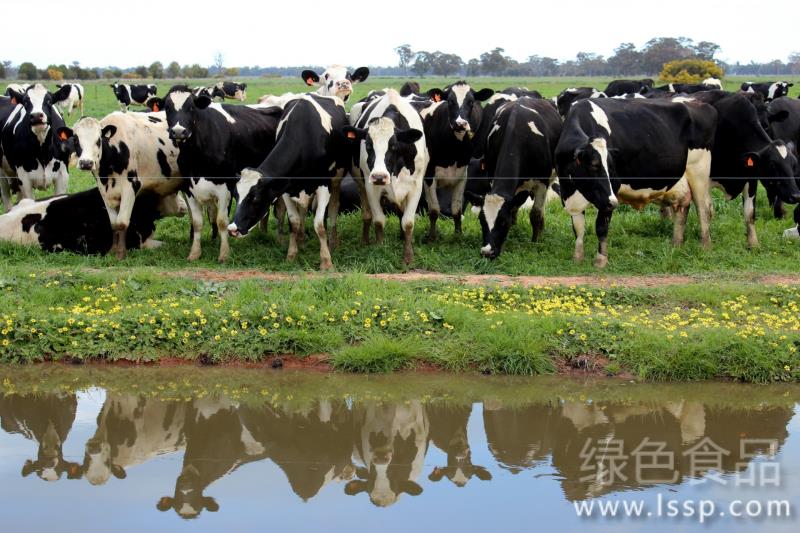
Many causes of miscarriage in dairy cows, careful prevention is key
Dairy cow miscarriage is caused by many factors, so careful prevention of dairy cow miscarriage is essential
-
What kind of fish is the many-striped loach? Let us get to know this fish
Common name: many-striped loach. Origin and season: distributed in the Irrawaddy River system. Description: head slightly laterally compressed. The lip surface is much wrinkled, with a crack in the middle of the upper lip. The maxillary tooth-like process is relatively well developed. Barbels are relatively long. The base origin of the pelvic fin is roughly opposite the base of the 1st branched dorsal-fin ray. Scales on the body are clearly visible, and the lateral line is complete. In males, there is a semicircular flap-like protrusion on the lower edge in front of the eye, and the front several pectoral-fin rays become hard and widened. During the breeding season, these parts have many spine-like protrusions. A small fish, inhabiting flowing water with a gravel bottom
-
Adding garlic residue powder to feed has many benefits
Garlic is the bulb of a pure natural, broad-spectrum antibacterial green plant of the Liliaceae family, with extremely high medicinal value. Adding garlic residue powder to broiler feed can not only stimulate the chickens' appetite and improve chicken meat quality, but also significantly increase daily weight gain. Adding garlic residue powder to chick feed can increase the survival rate of chicks; adding garlic residue powder to the diet of laying hens can increase their egg production rate and extend the peak egg-laying period. Adding garlic residue powder to pig feed benefits the growth and development of pigs, increases the daily feed intake of sows, and increases milk production; in weaned 15-25 day
-
Many difficulties in large-scale farming of yellow catfish, polyculture models work better
The yellow catfish is a benthic omnivorous fish, with tender flesh, rich nutrition and extremely high economic value, making it a farming species with great market potential. The yellow catfish has strong adaptability and grows slower than cyprinid fish, but grows relatively fast for the species itself; fry bred in the same year can reach marketable size within that year, and the population yield is relatively high. Because large-scale artificial farming currently faces certain difficulties, carrying out polyculture has become imperative. Polyculture of yellow catfish in fish ponds has the following advantages: first, it can feed on low-value small miscellaneous fish and shrimp in the pond,
-
What causes soybeans to produce many flowers but few pods?
At present, many farmers growing soybeans have found that in some plots the soybean plants produce many flowers but few pods. The reasons can be found through a "five checks." First, check the soil structure and analyze whether the soil pH value is too high, and whether the field has been repeatedly cropped with soybeans or is a continuous cropping field; second, check the fertilizer content and analyze whether the ratio of nitrogen, phosphorus and potassium in the applied chemical fertilizer is reasonable; third, check the planting structure and analyze whether the planting density is reasonable; fourth, check the plant roots and analyze whether pests and diseases have occurred on the roots; fifth, check the soil moisture and analyze whether the moisture content is too high or too low, since both excessive drought and excessive waterlogging will affect the pod-setting rate. Only by carefully
-
Three major misconceptions about eating eggs, how many have you fallen for?
Misconception 1: The more eggs a postpartum woman eats, the better. During childbirth, a postpartum woman uses up a lot of physical energy, her digestive and absorptive functions weaken, and her liver's detoxifying function declines. Eating a large amount of eggs will increase the burden on the liver and kidneys and cause adverse consequences. Eating too much protein will also produce large amounts of chemicals such as ammonia, hydroxyl compounds, and phenols in the intestines, which are highly toxic to the human body and can easily cause symptoms such as abdominal bloating, dizziness, weakness of the limbs, and coma, leading to "protein poisoning syndrome." Protein intake should be calculated according to the body's ability to digest and absorb protein
条件筛选