Cherry Blossom Bonsai Care Methods and Daily Management Tips
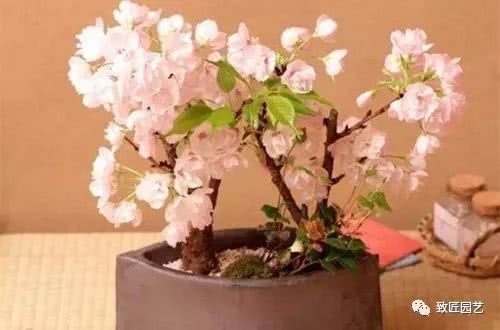
Cherry blossoms are generally suited to being planted in the ground, and bonsai is relatively rare, because bonsai is harder to care for than ground planting, so if you want a cherry blossom bonsai to bloom brilliantly, you have to put in the effort with care. So, how do you care for a cherry blossom bonsai?
03:12
1. Potting soil
For potted cherry blossoms, the most important thing first is to prepare soil suitable for their growth. Generally, homemade leaf mold can be used; gather some leaves along with acidic soil and chicken manure and compost them. Homemade leaf mold has good drainage and aeration, making it suitable for the growth of potted cherry blossoms.
2. Watering
Cherry blossoms dislike waterlogging. Judge and water reasonably according to the different seasons, pot sizes and the size of the cherry blossom seedlings, following the principle of watering when dry and stopping when moist. The soil must not be too wet or waterlogged, otherwise it will cause root rot, ranging from leaf drop that affects flowering to the death of the whole plant in severe cases.
3. Fertilizing
Potted cherry blossoms need sufficient fertilizer to ensure the nutrients required for their growth and development, so that the plants have lush branches and leaves and bright flower colors. Generally, apply decomposed liquid fertilizer once a week. If fertilizing an early-stage cherry blossom bonsai, nitrogen fertilizer should be the main type, which is beneficial to its development. Later, pay attention to applying phosphorus fertilizer as well to prevent excessive vegetative growth from affecting flower bud differentiation. In May to June, apply 0.1%-0.2% potassium dihydrogen phosphate as a foliar spray. Apply base fertilizer once each before and after flowering to lay the foundation for flowering the following year.
4. Pruning
Pruning potted cherry blossoms requires special attention. Before and after flowering, properly thin out overly dense branches, cutting away inner branches, dead branches, thin and weak branches, and diseased or pest-infested branches. Throughout the growing season, remove sprouting branches and leggy branches at any time to avoid consuming nutrients. After pruning, an antiseptic must be applied to prevent the wounds from rotting, because cherry blossom wounds heal relatively slowly. Newly potted cherry blossom branches should be cut back to encourage more new branches and the differentiation of more flower buds.
5. Pest and disease control
Cherry blossoms suffer from gummosis and root rot. For both of these conditions, treat them promptly and improve the soil, strengthen water and fertilizer management, and prune reasonably. During a year of growth, cherry blossoms can be harmed by aphids, red spider mites and scale insects. Generally, spray 3-4 times: the first time before flowering, the second time after flowering, and the third time in July to August. Only by observing carefully and controlling promptly can better results be achieved.
[Tips]The care and management methods for cherry blossom bonsai and plum blossom bonsai are roughly the same. As long as you care for them diligently, they will bloom for people to enjoy.
Featured content