-

Detailed Explanation of Key Management Techniques for Pollution-Free Peach Cultivation
Peach is a famous fruit variety in China. Because it is rich in various vitamins, it is deeply loved by the general public, and its cultivation is also relatively widespread. 1. Garden plot selection: For establishing a peach orchard, choose a site with high and dry, level terrain and deep sandy loam soil. The soil should be fertile, with high organic matter content, good aggregate structure, and abundant groundwater resources, so that it can be irrigated in drought and drained in waterlogging, with complete irrigation and drainage facilities. Avoid establishing an orchard on continuously cropped land or alkaline soil. 2. Requirements for environmental conditions: 1. Temperature: Peach trees
-
Management after apricot harvest cannot be relaxed
In many places, after farmers harvest apricots from the trees, they think that apricot tree management is over, and they neither apply fertilizer nor carry out pest and disease control and pruning. As a result, the soil becomes compacted, fertility is insufficient, and the trees become weak, so the trees' vegetative growth is insufficient, stored nutrients are inadequate, and there are not enough nutrients to supply the flower bud differentiation and development needs. This increases the number of degenerated flowers, and the flower buds also show a serious phenomenon of pistil abortion, so the fruit set rate the following year is very low or the fruit simply cannot set stably, and the yield and quality decline year after
-
Detailed Explanation of Management Techniques for Adult Pollution-Free Pear Orchards
February to March - Bud Break and Blooming Period 1. Apply bud-break fertilizer: In mid-to-late February, before the pear trees bud, apply 1000 kg of decomposed farmyard organic fertilizer per mu, supplemented with a quick-acting multi-element compound fertilizer based mainly on nitrogen, phosphorus, and potassium to improve quality. The application amounts of nitrogen, phosphorus, and potassium account for 35%, 30%, and 15% of the annual usage respectively. In addition, add 1.5% borax to the total amount to improve flower quality. 2. Irrigation: Irrigate once each before and after blooming in a timely manner to promote budding and uniform blooming. 3. Flower and fruit preservation: (
-
Key Points of Post-Harvest Cultivation and Management Techniques for Citrus Orchards
During the annual growth cycle, mature citrus trees go through flower bud differentiation, flowering, fruit set, physiological fruit drop, fruit expansion, three flushes of new shoots and branch growth, and three root growth peaks, consuming a large amount of energy and nutrients, severely weakening tree vigor. In addition, various pest and disease residues concentrate within them, bringing many adverse effects to the following year's growth and fruiting of citrus trees. Therefore, strengthening post-harvest cultivation and management of citrus orchards to rapidly restore tree vigor is of vital significance to the following year's citrus production. The author believes that post-harvest cultivation and management of citrus orchards should focus on implementing the following techniques
-
Key Techniques and Management Measures for Winter Potato Cultivation
1. Pre-sowing preparation: In mid-February, prepare agricultural materials such as seed potatoes, pesticides, chemical fertilizers and agricultural film. Place the seed potatoes indoors at about 12°C to sprout. 2. Cut the seed potatoes: Make sure each seed potato piece has at least 1-2 eyes and weighs about 30 grams. Treat the cut seed potato pieces with a seed dressing. The formula for the medicinal powder is: add 250 grams of 70% thiophanate-methyl wettable powder to 50 kg of talcum powder. 3. Sow early at the right time: Generally sow from late January to early February, with a row spacing of 90
-
Key points for fishery management in the southern region in November and December
In November and December, the weather gradually turns cooler and water temperatures drop. The cultured species have grown to commercial size and meet market requirements, so fishery production should revolve around harvesting the cultured species for market and preparing for next year's production. Centering on the harvesting of cultured species for market, fish, shrimp, crabs and soft-shelled turtles that have reached commercial size should be harvested rationally and their marketing scheduled, with part supplied to the current market and part kept for the New Year's Day, Spring Festival and next year's spring shortage period. For the fish, shrimp, crabs and soft-shelled turtles kept for the festivals and the spring shortage period, after harvesting begins in November, those meeting market size should be concentrated and
-
3 Management Points for Safe and Efficient Pig Farming in Winter
Winter temperatures are low and the weather is cold, which is not conducive to the normal growth and development of pigs and also makes them prone to disease. Therefore, safe pig farming in winter should revolve around the theme of cold protection, and specifically the following three aspects should be grasped: 1. Raising the temperature. There are many ways to raise the temperature of pig housing, but there are four simple, economical and practical methods: 1. Cover open-style pig housing with plastic film. It is best to cover with double-layer plastic film. Although the cost is somewhat higher than single-layer plastic film covering, the insulation effect is better. This
-
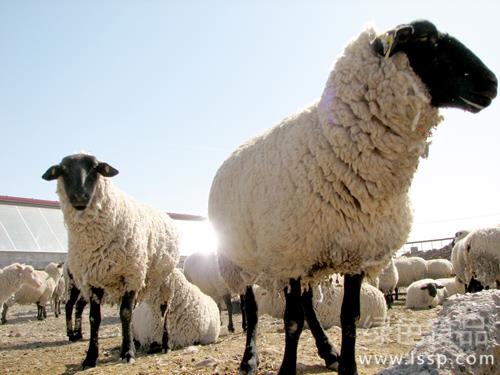
Improving Traditional Feeding Methods: Scientific Management Techniques for Meat Sheep Fattening
Improving Traditional Feeding Methods: Scientific Management Techniques for Meat Sheep Fattening
-

Detailed Explanation of the Key Field Management Techniques for Anemarrhena asphodeloides
Field Management Techniques for Anemarrhena asphodeloides
-
Key Technical Points for Scientific Management of Soybeans Adapted to Seedling Conditions
Liang Huizhen, associate researcher at the Cash Crop Research Institute of the Provincial Academy of Agricultural Sciences, said that at present most areas of our province's soybeans are at the flowering and podding stage, which is the period of greatest nutrient and water uptake and also the peak period of root nodule nitrogen fixation. The main goal at this stage is to promote more flowering and more pod setting, prevent premature senescence, control excessive vegetative growth, increase flowers and preserve pods, reduce shedding, and lay the foundation for a high yield. Due to the tight time schedule at sowing, summer soybeans often receive no or little basal fertilizer, and by the time the soybeans set pods, nutrient deficiency occurs, so flower and pod fertilizer should be applied promptly. At
条件筛选