How to Propagate Lemon Balm and Care Tips
Lemon balm is a common indoor plant that can absorb harmful indoor gases, purify the air, beautify the environment, reduce pollution and protect the eyes. It is called the nemesis of hidden killers and the guardian of health. So how do you propagate lemon balm? Below, the editor brings you the detailed content.
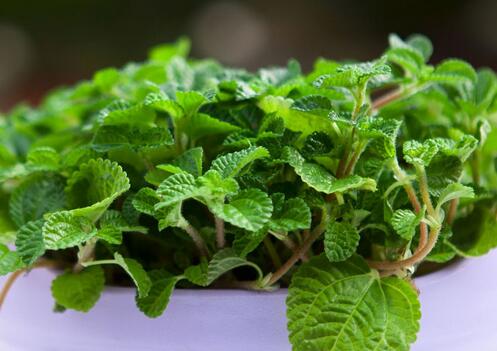
How to propagate lemon balm:
Seed propagation: Direct-sow the seeds, 3-5 seeds per hole. When the plants reach 5 cm tall, thin the seedlings to promote growth. When the plants reach 80 cm tall, fertilizer can be spread to let the leaves and stems grow fully. The soil must not be too wet, so as not to affect plant growth. Plant spacing is 40-60 cm. Thin the seedlings when the plants are 5 cm tall. When the plants grow to 2 m tall, the plants can be thinned out as they gradually grow, increasing the spacing, and the plants will grow more vigorously. Fertilize once each season and water thoroughly.
Cuttage propagation: Cut off a section of a long lemon balm plant, insert it into loose potting soil, water it, and place it in a cool place, misting it every day. After some time, the lemon balm will take root and survive.
Division propagation: Wait until the lemon balm has grown very large, then split the root into two halves.
Propagating lemon balm is very simple. You can not only sow seeds, but also take cuttings and divide the plant. The above are the lemon balm propagation methods compiled by the editor of First Agricultural Economics. We hope they are helpful to everyone. For more related information, please follow the relevant channel or topic of First Agricultural Economics. Your attention and support are our greatest motivation to move forward.#p#Subtitle#e#
How to grow lemon balm:
1. Propagation: Lemon balm is relatively easy to propagate, and can be propagated by sowing, cutting and division.
2. Light: Lemon balm prefers bright light. If the room has good lighting, place the lemon balm in a spot with sunlight and normal indoor ventilation is enough. If the room lighting is not very good, such as in a bathroom or kitchen, place the lemon balm in the room for 72 hours, then move it to a place with plenty of sunlight, and after 72 hours put it back, or when the weather is not cold, it can also be placed outdoors to absorb light and get fresh air.
3. Temperature: Growing lemon balm does not have high temperature requirements. In winter it can tolerate low temperatures below 0°C, but in summer growth is restricted by high temperatures above 30°C. The most suitable growing temperature is between 10-20°C.
4. Soil: Lemon balm can grow in ordinary soil and has no strict soil requirements. Of course, loose, breathable leaf mold soil is better. The growing medium for lemon balm should mainly be loose, fertile, well-drained garden soil and plant ash soil. A small amount of vermiculite or perlite can also be added to the soil to increase soil air density and prevent root rot.
5. Watering: Lemon balm can be watered with clean water or rice-washing water every 3-5 days. If the branches and leaves wilt due to lack of water, water should be added immediately, and the lemon balm will recover quickly.
6. Fertilizing: Each month, add a small amount of nutrient solution or ordinary nitrogen fertilizer to the water. Avoid adding concentrated fertilizer.
7. Pruning: Lemon balm grows very quickly. It is recommended to prune once a week. Just cut above the new leaves on the higher nodes. If black-edged leaves appear on the lemon balm or old leaves appear at the base, do not worry, just pull them off.
8. Pests and diseases: Lemon balm can release volatile oil with bactericidal effects and can absorb harmful gases, so pest problems basically do not occur. Just maintain the water, light and temperature needed for lemon balm growth.#p#Subtitle#e#
Notes on growing lemon balm:
1. Lemon balm grows slowly in winter, so prune as little as possible. After pruning, place it in a sunny place for care.
2. In summer, lemon balm should avoid exposure to harsh sunlight. In winter, pay attention to keeping it warm. After pruning, place it indoors or outdoors in a ventilated, sunny place.
4. Lemon balm likes moisture. In summer it needs to be watered once a day, and can be watered with clean water or rice-washing water. When lemon balm lacks water, the leaves will shrivel and drop, so water should be replenished in time.
5. Lemon balm likes light. It can be placed in a spot with sunlight, and it should be ventilated in time to prevent leaf disease.
How to Grow Lemon Balm: Growing Methods and Care Tips for Lemon Balm
Lemon balm can absorb harmful indoor gases and release fresh negative oxygen ions, so it is very popular. So how do you grow lemon balm? Below, we will share the growing methods and care tips for lemon balm.
How to grow lemon balm:
1. Propagation: Lemon balm is relatively easy to propagate, and can be propagated by sowing, cutting and division.
2. Light: Lemon balm prefers bright light. If the room has good lighting, place the lemon balm in a spot with sunlight and normal indoor ventilation is enough. If the room lighting is not very good, such as in a bathroom or kitchen, place the lemon balm in the room for 72 hours, then move it to a place with plenty of sunlight, and after 72 hours put it back, or when the weather is not cold, it can also be placed outdoors to absorb light and get fresh air.
3. Temperature: Growing lemon balm does not have high temperature requirements. In winter it can tolerate low temperatures below 0°C, but in summer growth is restricted by high temperatures above 30°C. The most suitable growing temperature is between 10-20°C.
4. Soil: Lemon balm can grow in ordinary soil and has no strict soil requirements. Of course, loose, breathable leaf mold soil is better. The growing medium for lemon balm should mainly be loose, fertile, well-drained garden soil and plant ash soil. A small amount of vermiculite or perlite can also be added to the soil to increase soil air density and prevent root rot.
5. Watering: Lemon balm can be watered with clean water or rice-washing water every 3-5 days. If the branches and leaves wilt due to lack of water, water should be added immediately, and the lemon balm will recover quickly.
6. Fertilizing: Each month, add a small amount of nutrient solution or ordinary nitrogen fertilizer to the water. Avoid adding concentrated fertilizer.
7. Pruning: Lemon balm grows very quickly. It is recommended to prune once a week. Just cut above the new leaves on the higher nodes. If black-edged leaves appear on the lemon balm or old leaves appear at the base, do not worry, just pull them off.
8. Pests and diseases: Lemon balm can release volatile oil with bactericidal effects and can absorb harmful gases, so pest problems basically do not occur. Just maintain the water, light and temperature needed for lemon balm growth.
Notes on growing lemon balm:
1. Lemon balm grows slowly in winter, so prune as little as possible. After pruning, place it in a sunny place for care.
2. In summer, lemon balm should avoid exposure to harsh sunlight. In winter, pay attention to keeping it warm. After pruning, place it indoors or outdoors in a ventilated, sunny place.
4. Lemon balm likes moisture. In summer it needs to be watered once a day, and can be watered with clean water or rice-washing water. When lemon balm lacks water, the leaves will shrivel and drop, so water should be replenished in time.
5. Lemon balm likes light. It can be placed in a spot with sunlight, and it should be ventilated in time to prevent leaf disease.
How to Grow Lemon Balm? Home Growing Methods and Care Tips for Lemon Balm
[Common Questions]How do you grow lemon balm?
[Expert Answer]Lemon balm is a perennial herbaceous plant of the genus Mentha in the family Lamiaceae. It has high growing value, can increase appetite, and can also purify the air. It has a good absorption effect on toxic and harmful gases such as formaldehyde, radon, benzene, ammonia and sulfur dioxide, and is very suitable for home cultivation. The home growing methods and care tips for lemon balm are introduced below.
Image: Lemon balm
I. Home growing methods for lemon balm
1. Sunlight:Lemon balm prefers bright light. If the room has good lighting, place the lemon balm in a spot with sunlight and normal indoor ventilation is enough. If the room lighting is not very good, such as in a bathroom or kitchen, place the lemon balm in the room for 72 hours, then move it to a place with plenty of sunlight, and after 72 hours put it back, or when the weather is not cold, it can also be placed outdoors to absorb light and get fresh air.
2. Temperature:Growing lemon balm does not have high temperature requirements. In winter it can tolerate low temperatures below 0°C, but in summer growth is restricted by high temperatures above 30°C. The most suitable growing temperature is between 10-20°C.
3. Watering:Lemon balm can be watered with clean water or rice-washing water every 3-5 days. If the branches and leaves wilt due to lack of water, replenish water immediately and it will recover quickly. For nutrient solution, ordinary commonly used plant nutrient solution can be used.
4. Pruning:Lemon balm grows very quickly. It is recommended to prune once a week. Just cut above the new leaves on the higher nodes. If black-edged leaves appear or old leaves appear at the base, do not worry, just pull them off.
5. Pests:Lemon balm can release volatile oil with bactericidal effects and can absorb harmful gases, so pest problems basically do not occur. Just maintain the water, light and temperature needed for lemon balm growth.
Image: Lemon balm
II. Notes on home growing of lemon balm
1. Lemon balm can be grown hydroponically. Just pay attention to suitable light, temperature, frequent water changes, and adding some nutrient solution or granular fertilizer. For soil-grown plants, the soil must first be rinsed clean and then disinfected before hydroponic growing.
2. Lemon balm grows slowly in winter, so do not prune too much. If you do prune it, be sure to place it in a sunny place.
3. As long as the soil is not dry, it does not need watering. If it is dry, it must be watered thoroughly.
4. When placed in the home to absorb harmful gases, after each use, place it in a place with good sunlight and ventilation, and use it again after it has absorbed sunlight and exchanged air.
Image: Lemon balm
[Editor's Conclusion]Lemon balm is a plant that is very beneficial to the home air environment and is quite good for human health. The above introduced the home growing methods and care tips for lemon balm. We hope it is helpful to everyone!