-

What are the key points for keeping flowers at home in spring
What should you pay attention to when keeping flowers at home in spring
-
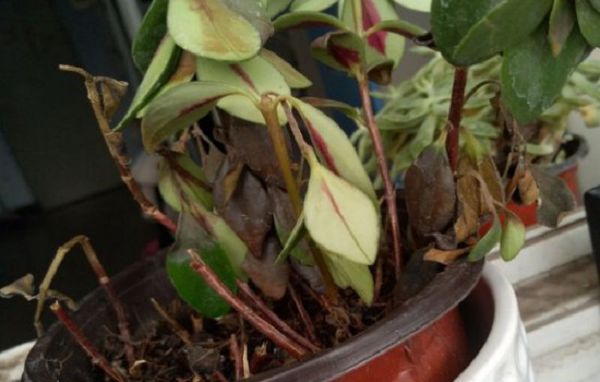
Keeping a goldfish plant this way easily makes it wither and die, so be sure to avoid these care mistakes
You cannot keep a goldfish plant this way, otherwise the plant easily withers and dies
-
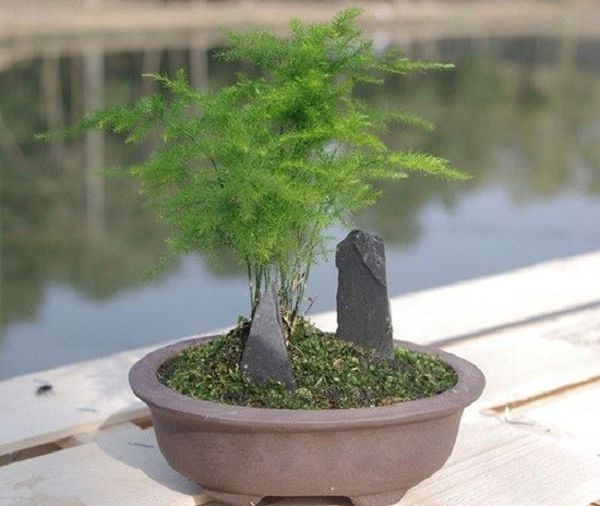
Growing flowers indoors brings many benefits for the elderly: preventing illness and keeping the spirits joyful
Growing these flowers indoors helps the elderly prevent illness and stay in good spirits
-
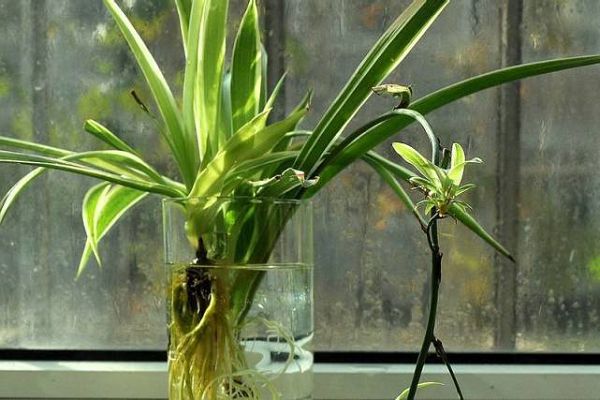
Tips for keeping pothos and clivia green and glossy for the long term
Little-known tips to keep pothos and clivia green and glossy for the long term
-

Feng shui guidelines for growing flowers and plants at home, and what you need to know about keeping them
The feng shui of flowers and plants at home. Growing plants can purify the air in the home and keep the air fresh, but many people today do not know about the plants at home...
-

Detailed Explanation of Key Points of Lily Bulb Storage and Fresh-Keeping Techniques
I. Choose storage-tolerant varieties. China is the country of origin for lilies, with many cultivated types and varieties. The main ones include Longya lily, Chuan lily, and tiger lily (Lilium lancifolium) and other variants. Among them, the Chuan lily, which is white, flat-spherical, tightly clustered, large, and sweet-tasting, has good quality and stores well. Lilies are generally harvested in early November, mostly by digging out the bulbs with a spade, promptly removing the stems and soil, and cutting off the fibrous roots. Newly dug bulbs must not be exposed to wind and sun in the field, to prevent the outer scales from discoloring and losing water. II. Pre-cool and select the bulbs. After harvest, lilies should be promptly transported to a shady place and evenly
-
Key Points and Detailed Methods for Lily Storage and Fresh-keeping Technology
Lilies prefer warmth and are afraid of cold; after being exposed to wind, the scales will turn red and shrivel. There are many storage methods, and the yellow sand burial method is especially effective. The specific method is: build a burial pit indoors with bricks or cement, or use wooden boxes, baskets, etc. as containers. First spread a layer of yellow sand about 20 mm thick on the bottom of the container, then place one layer of lilies and one layer of yellow sand, stacking to about 50 mm from the container opening. Then cover with yellow sand again so that the lilies are not exposed to the air. What should be noted with this method is: the containers used for storage should first be disinfected with 0
-
Harvesting and Fresh-keeping Methods for Cut Leaves of Japanese Spindle
[Other Chinese Names] Yagi, Dongqing Weimao, Fufangshu, Haiweimao, Huangzhualongshu, Jiaweimao, Maixiang, Japanese Euonymus, Sijiqing, Zhengmu [Family and Genus] Celastraceae, Euonymus [Place of Origin] Japan, China [Plant Characteristics] Japanese spindle is an evergreen shrub or small tree. The plant height can reach 8 m. The branchlets are green. The simple leaves are opposite, obovate or narrowly oblong, 3-6 cm long, with an acute or obtuse apex, a broad wedge-shaped base, and finely blunt-toothed margins, smooth, leathery. [Cut Leaf Harvesting] Harvested part
-
Harvesting and Fresh-keeping Methods for Cuttings of Amorpha fruticosa, an Open-field Flower
[Other Chinese names] Mianhuai [Family and genus] Fabaceae, Amorpha [Place of origin] North America [Plant characteristics] Amorpha fruticosa is a clumping shrub. Plant height 1-4 m. Branches grayish blue. Odd-pinnate compound leaves alternate; leaflets 11-25, oblong. [Cutting harvest] The harvested part is the first-year woody branch of Amorpha fruticosa, preferably 1-1.5 cm in diameter. To obtain the ideal propagation results, top branches with shorter internodes and full growth should be selected. Pay attention to reasonable cutting collection so as not to affect
-
Harvesting and Fresh-Keeping Methods for Outdoor Oleander Cuttings
[Other Chinese Names]Dajiezhong, Jiaochudong, Jiujiezhong, Juna, Liuyetao, Shuigancao[Family and Genus]Apocynaceae, Nerium[Place of Origin]Nepal, India, Iran and other places[Plant Characteristics]Oleander is an evergreen shrub or small tree. Plant height 5-6 m. It has milky sap. Simple leaves are whorled or opposite, linear-lanceolate, 10-25 cm long, entire, leathery.[Cutting Harvest]The harvested part is the current-year branches of oleander. Harvesting should be carried out from May to July each year. In order to obtain ideal
条件筛选