Keeping a goldfish plant this way easily makes it wither and die, so be sure to avoid these care mistakes
The goldfish plant (Nematanthus gregarius) is an evergreen flowering plant with very strong ornamental value. Gardeners familiar with it often like to grow it as a houseplant, since it is both decorative and a great way to accent the home environment. But when it comes to growing this plant, different gardeners may have different feelings about it. Some find it easy to grow, while others find it very hard to keep alive.
Whether the goldfish plant is easy to grow mainly depends on whether people understand this plant well enough and whether they have mastered the necessary care techniques. For expert growers, the goldfish plant is usually considered fairly easy to grow, but for beginners or those unfamiliar with this plant, it often seems rather difficult to keep.
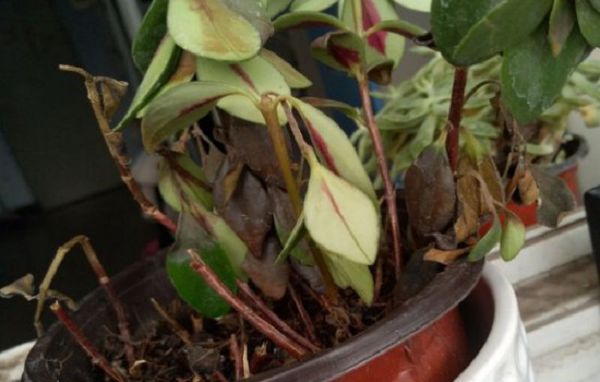
Recently, for instance, someone said that the goldfish plant they were growing withered and died before it even bloomed. Even though it sprouted some new branches after rescue efforts, it eventually died completely due to poor management. In fact, there are reasons why a goldfish plant withers and dies, usually because its growth habits were not understood and scientific management was not applied.
Many gardeners, after buying a goldfish plant from a flower market, cannot wait to repot it and change its soil. This is because newly bought goldfish plants generally come in poor pots that are not suitable for long-term growth. So after bringing it home, people often repot it right away.
But before long, you may find that it drops a large number of leaves, its branches and leaves wither, and the whole plant may eventually die. The reason is mainly that we repot and change the soil of a newly bought goldfish plant too early. A newly bought goldfish plant needs to adapt to a new environment, and the plant is very fragile. If we rashly repot and change the soil at this time, it will only make its acclimatisation process worse, making it very easy for the plant to die.
Besides the growing environment being very important, the goldfish plant also has the trait of liking moisture but not tolerating waterlogging. First, the care environment needs relatively high humidity, but at the same time there should be no water accumulating in the pot, and the potting soil must have strong permeability. If the care humidity is too high, or water accumulates in the pot, or the air humidity is too high while ventilation is poor, all of these can affect its normal growth.
Watering in particular should usually follow the principle of watering thoroughly once the soil has dried out, so as to keep the potting soil often moist but not waterlogged. Once excessive watering causes water to accumulate in the pot, it will inhibit the breathing of its roots and suffocate them to death. Water accumulating at the roots also easily causes root rot, so nutrients and water cannot be supplied normally to the plant to meet its growth needs, ultimately causing the plant to wither and die.
Of course, besides the two factors above, the quality of the potting soil is also an important factor affecting its growth. The goldfish plant likes fertile, loose, breathable and well-draining slightly acidic soil, and the potting soil in particular must have strong permeability, which is better for its root respiration and also improves the efficiency of water and fertiliser use. If the potting soil easily compacts and has poor permeability, it will also be hard to grow well.
Therefore, if you want to avoid your potted goldfish plant withering and dying, you should not repot or change the soil of a newly bought plant too early, and you should also provide it with a suitable growing environment. When watering, be sure to water thoroughly once the soil has dried out, and never let water accumulate in the pot. The care environment should also be bright and well ventilated, without strong direct light, otherwise it may wither and die due to early repotting, excessive watering or unsuitable potting soil.