-

-
-
-
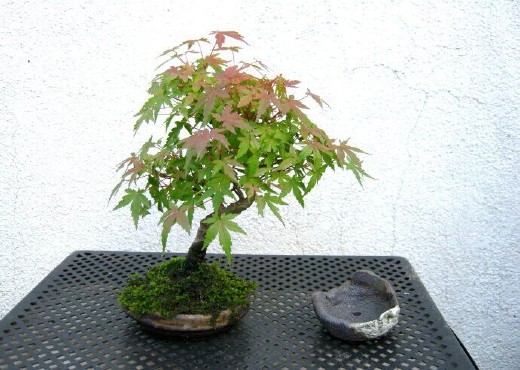
How to shape a Japanese maple bonsai? Detailed technical points
Aceraceae Acer genus, deciduous small tree, bark dark gray, branchlets slender; young branches green, thin and weak. Flowers purple, samaras purplish red when young, light brownish yellow when mature, the two wings spreading at an obtuse angle. Nutlets spherical, veins prominent; wings and nutlets opening at an obtuse angle. Sun-loving, prefers warm and humid climate, not strongly cold-hardy
-
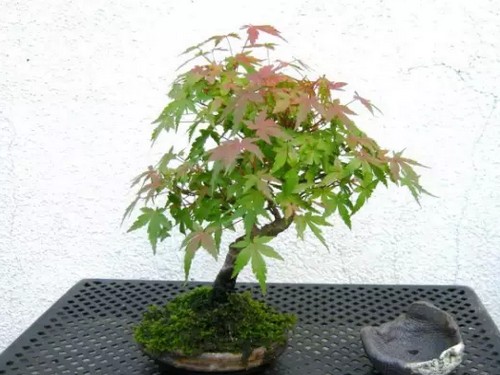
How to source material for a Japanese maple (Acer palmatum) bonsai
Acer palmatum is native to the provinces in the middle and lower reaches of the Yangtze River basin in China, and is also found in Shandong and Zhejiang. It is distributed in Japan as well. It is a common ornamental tree species in gardens, and also grows wild in mountainous areas. It prefers light, and a warm, humid climate; it is not very cold-tolerant, and thrives in humus-rich, fertile, moist acidic or neutral soil. For pot cultivation, avoid the western sun and direct sunlight.
-
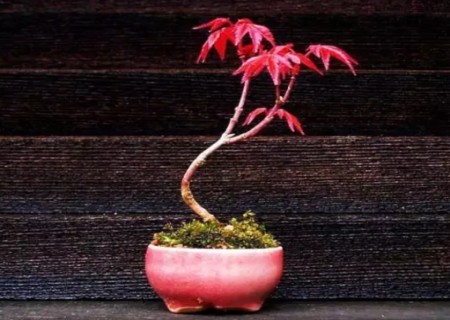
How to Grow a Japanese Maple Bonsai? Detailed Care Methods and Tips
The Japanese maple (Acer palmatum) is a famous landscape tree in China, with a graceful, elegant, and enchanting form. It is suitable both for solitary planting or group planting among rocks and green pines and cypresses, and for growing as a potted plant at home or shaping into a bonsai for appreciation. Its branches can also be cut for vase arrangements as cut flowers for viewing. So what are the techniques for making a Japanese maple bonsai, and what are the care methods for a Japanese maple bonsai?
-
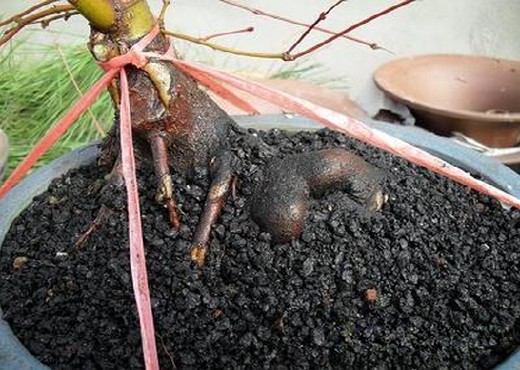
Detailed Explanation of Grafting Propagation Techniques for Japanese Maple Bonsai
Japanese maple is very commonly used in urban landscaping. It not only has an independent landscape appearance, but is also an important combination material in gardens for landscape features, buildings, roads, and sculptures, fountains, and other small features. It is suitable for planting on lawns, mounds, beside streams, by ponds, or as accents at wall corners, pavilions and corridors, and flower beds, and is also suitable for courtyard roadsides and windowsides.
-
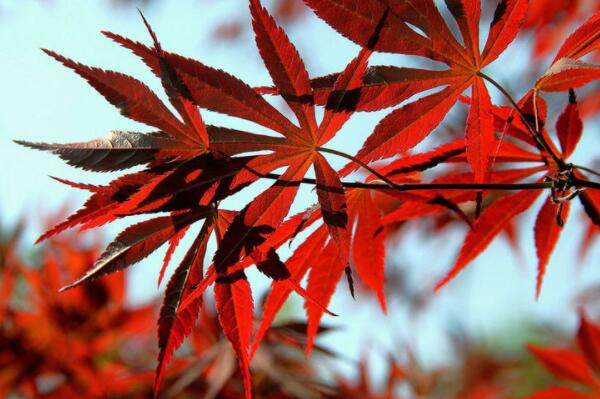
How much do Japanese maple saplings and seeds cost, how do they differ from red maple, and how should bonsai be cared for?
Japanese maple (Acer palmatum) belongs to the Aceraceae family and is also called chicken-claw maple, maple, etc. Its crown is umbrella-shaped. The bark is smooth. The bark is dark gray. The twigs are purple or pale purple-green, and the old branches are pale gray-purple. So roughly how much do Japanese maple saplings and seeds cost? How do they differ from red maple? How should bonsai be cared for? From a nursery company in Jiujiang County we learned
-
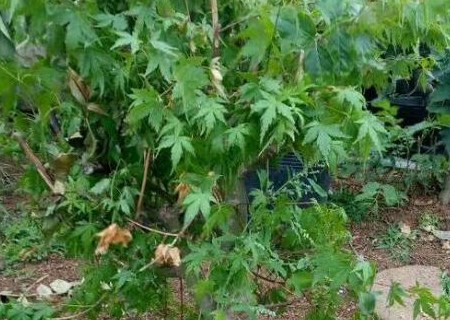
How to Grow Japanese Maple (Acer palmatum) Green Maple Seeds? Plus the Differences Between Red Maple and Green Maple and Their Prices
Green maple generally refers to Acer palmatum (Japanese maple), of the family Aceraceae, with dark gray bark. It is distributed across provinces in East China, Central China and Southwest China. It grows at low altitudes on forest edges or in open woods. Do you know the methods for growing green maple seeds? What are the differences between red maple and green maple? What is the price of green maple? Green maple is relatively shade-tolerant
-
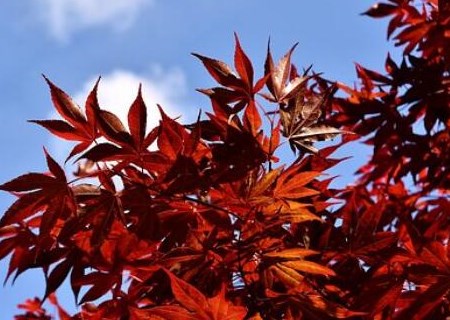
What are the cultivation methods for Japanese red maple bonsai of the Sapindaceae family? Does it lose its leaves in winter?
Japanese red maple is a small tree or shrub of the genus Acer in the Sapindaceae family, with numerous horticultural varieties and a wide diversity of leaf colors, tree shapes and leaf shapes, widely cultivated in many parts of the world. So do you know what the cultivation methods for Japanese red maple bonsai are? Does it lose its leaves in winter? Cultivation methods for Japanese red maple bonsai
条件筛选