How to Tell Red Maple and Japanese Maple Apart: Mainly by Leaf Color and Branches
Red maple (Acer palmatum 'Atropurpureum') and Japanese maple (Acer palmatum) are actually very closely related; red maple is generally regarded as a variety of Japanese maple and is also called purple-red Japanese maple. Because the two share the same origin, their leaf shapes, flowers and fruits are all very similar, and many people easily confuse them. In everyday identification, the main things to look at are the color changes of the leaves and branches.
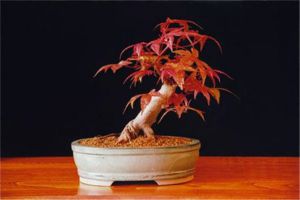
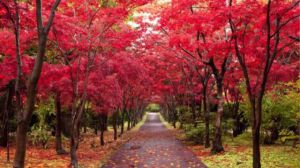
The most intuitive difference is leaf color. The leaves of red maple stay basically red or purple-red from bud break in spring all the way to leaf fall in late autumn, so there is colorful foliage to enjoy for three seasons of the year; the leaves of Japanese maple are green during the spring and summer growing period, and only after temperatures drop in autumn do they gradually turn red or orange-red. Therefore, a tree whose leaves are red all year round is most likely red maple, while one that is emerald green in spring and summer and only turns red in autumn is mostly Japanese maple.
Besides leaf color, the branches can also provide a reference. The new branches of red maple are mostly purple-red or reddish-brown, while the branches of Japanese maple tend toward blue-green or greenish-brown. In leaf shape, both are palmately lobed, with slender lobes like a chicken's claw, so it is hard to tell them apart by outline alone; color is still the most reliable basis for judging.
As for care, the two have similar habits: both like a warm, humid environment with good ventilation, and both dislike intense direct sunlight and waterlogged pot soil. Red maple leaves have a high pigment content, so under high summer temperatures and strong sun they are more prone to scorched edges and need appropriate shading. When choosing, if you want a red-leaf display in all four seasons, you can choose red maple; if you like the seasonal change of emerald green in spring and summer turning red in autumn, Japanese maple is equally worth getting.