-

Do Japanese Persimmons Have Male and Female Plants? The Latest Answer Is Here
The Japanese persimmon (Diospyros rhombifolia) is one of the best tree species for making fruit-viewing bonsai, especially when it is shaped into an old-trunk fruit-viewing bonsai, which makes it even more ornamental. But everyone knows that many flowering and fruiting plants have male and female plants, and usually a male tree will not bear fruit after planting; only after a female tree blooms and is successfully pollinated can it bear fruit.
-
How to prevent fruit drop in Japanese Persimmon (Diospyros kaki)? The latest methods are here
Fruit-bearing ornamental bonsai is a fairly common form in the bonsai world. Since it is an ornamental fruit bonsai, the focus is naturally on enhancing the ornamental value of the fruit. If fruit drop occurs, it will inevitably lead to no fruit to admire, or too few fruits, which reduces the ornamental value of the bonsai. For Japanese Persimmon
-
How many years does a wild Japanese persimmon (Diospyros rhombifolia) collected stump generally need to be grown before it bears fruit?
Diospyros rhombifolia, also known as wild mountain persimmon, is a plant commonly found in forests by valley streams and in hillside thickets, and its appearance closely resembles that of the gold bullet tree (Diospyros armata). So how many years does a Diospyros rhombifolia collected stump take to bear fruit? 1. How many years does a Diospyros rhombifolia collected stump take to bear fruit? A Diospyros rhombifolia collected stump generally needs to be cultivated for 2-3 years before it bears
-
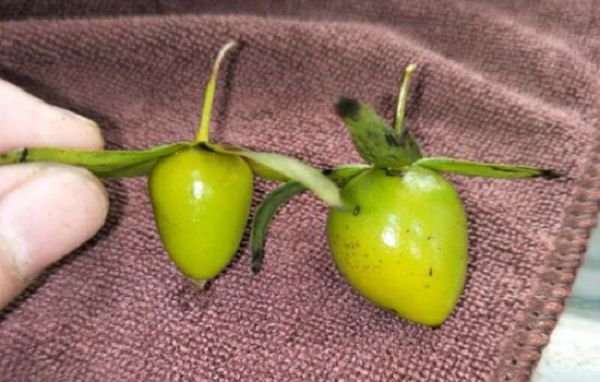
How to prevent fruit drop in Japanese persimmon (Diospyros cathayensis)? A detailed guide to practical methods
How to prevent fruit drop in Japanese persimmon
-
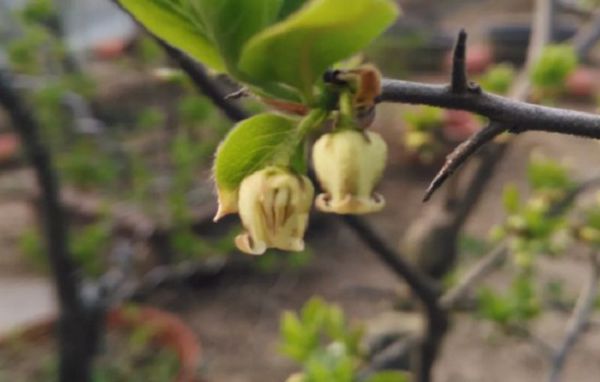
Do Japanese Persimmons Have Male and Female Plants? A Detailed Guide to Identifying Male and Female Japanese Persimmons
Do Japanese Persimmons Have Male and Female Plants?
-
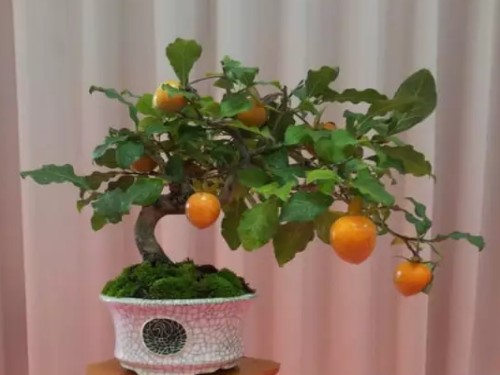
How to shape a Japanese persimmon (Diospyros rhombifolia) bonsai? Methods and techniques explained in detail
The Japanese persimmon (Diospyros rhombifolia) looks attractive, is easy to grow and easy to shape, so garden cultivation and Japanese persimmon bonsai are often seen. But apart from its fruit, the Japanese persimmon really has no ornamental value: it is a deciduous shrub with very slender branches, thorns, and rather ordinary leaves. Once it drops its leaves in winter, it is nothing but a pile of dry firewood
-
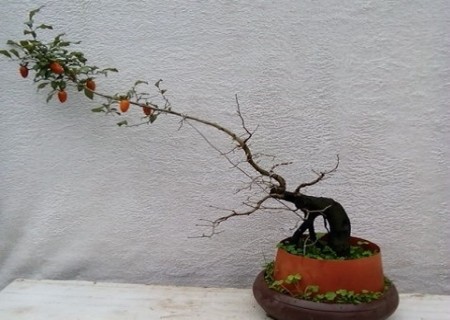
How to prune a Japanese persimmon (Diospyros rhombifolia) bonsai? Detailed methods and techniques
The Japanese persimmon (Diospyros rhombifolia) is a star species in the bonsai world. At exhibitions, it not only earns the approval of bonsai enthusiasts but is also loved by the general public. Apart from tree-form Japanese persimmons, which are mainly grown for their fruit, the Japan Hime Persimmon Association has registered many cultivar names based on fruit color, shape, size, calyx, and the presence or absence of oil-drop spots.
-
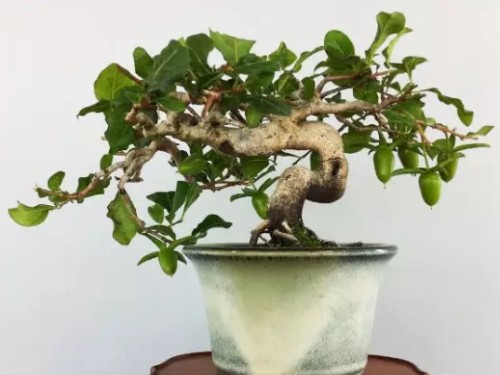
How to grow a Japanese Persimmon (Diospyros rhombifolia) bonsai? Master these care essentials
Diospyros rhombifolia, a deciduous shrub with papery leaves that are ovate, rhombic or obovate, is a dwarf tree species native to Fujian, Jiangsu and Zhejiang, and a star species in the bonsai world. At exhibitions, it not only earns the approval of bonsai enthusiasts but is also loved by the general public
条件筛选