-
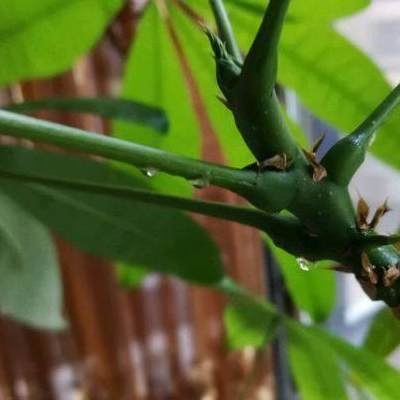
How to deal with sticky sap oozing from a money tree? Learn how to completely wipe out scale insects
Money tree (Pachira aquatica) is a plant many people love to grow, but sometimes things go wrong. How do you deal with sticky sap oozing from a money tree? How do you completely wipe out scale insects? When a potted money tree at home oozes dew-like sticky liquid, shows small white dots and spots on the leaves, what is the cause? The money tree may have been attacked by pests
-
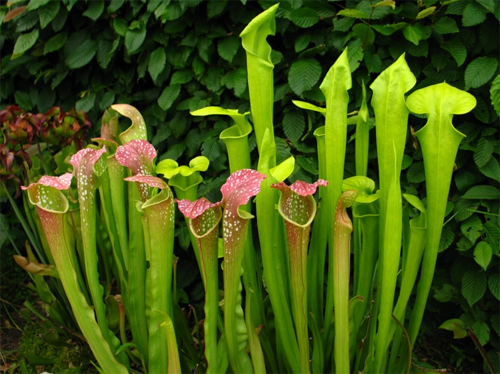
How to grow pitcher plants? Over-catching insects can cause the plant to die
Pitcher plants look just like a pitcher, complete with a lid, and this remarkable pitcher can even catch insects. If you have one at home, it is a natural insecticide, pollution-free. How do you grow pitcher plants? How to grow pitcher plants: they can tolerate high temperatures of 40°C and low temperatures of -10°C, while northern subspecies are even more cold-tolerant
-
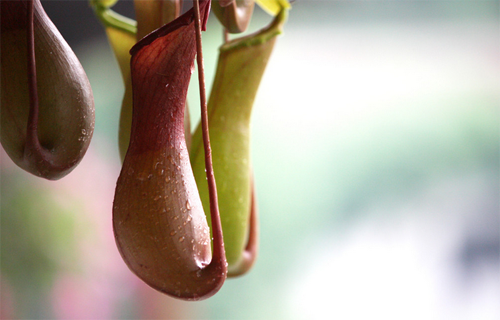
How do you prevent and treat pests and diseases of pitcher plants such as scale insects, leaf spot, and fusarium wilt?
The pitcher plant is so formidable, yet it can still get pests? Isn't the pitcher plant specifically a plant that eats insects? It can even be eaten by insects, and scale insects really are the nemesis of the pitcher plant. What pests does the pitcher plant have? How should they be handled? Fusarium wilt: the leaves and pitchers of a pitcher plant bought not long ago withered, which is usually caused by not adapting to the environment.
-
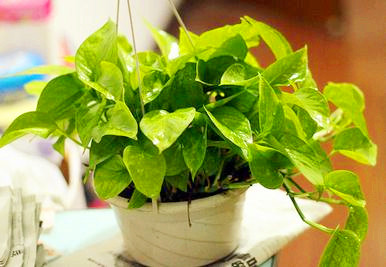
Can Pothos be placed in the bedroom? What to do if small flying insects and black bugs appear
Pothos plants are currently selling very well on the market. So can Pothos be placed in the bedroom? Will it attract small flying insects and black bugs? What should you do if they appear? Pothos itself does not attract insects, but many people who buy Pothos do find lots of bugs crawling out of it. In most cases, this problem is caused by the soil-culture method.
-
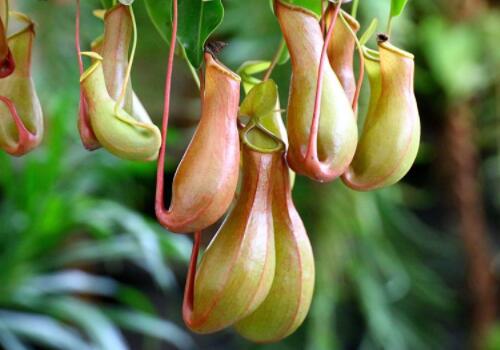
Can Nepenthes be kept at home? Toxicity, why it eats insects, and how to sow seeds
Nepenthes is the collective name for all species in the genus Nepenthes. Also called pitcher plant, monkey cup, monkey jar, piglet cage, and Leigong pot, it is a tropical insectivorous plant. So can Nepenthes be kept at home? Is it toxic? Why does it eat insects? How do you plant the seeds? From Nepenthesaceae information we learn
-
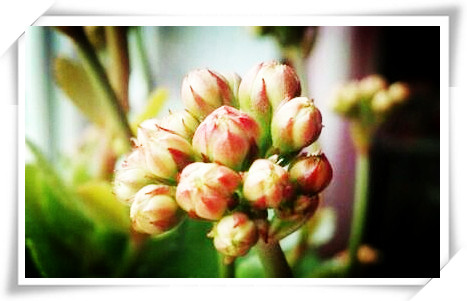
Pest and disease control techniques for aphids, red spiders, scale insects, damping-off, rust and powdery mildew on flowers
In spring, the temperature turns warm then cold again, and the air humidity is high. At present, the occurrence of crop pests and diseases is at a moderate to severe level, and flowers also suffer from many pests and diseases. Generally, the following are more serious in April and May: damping-off, when the temperature reaches 20°C
-
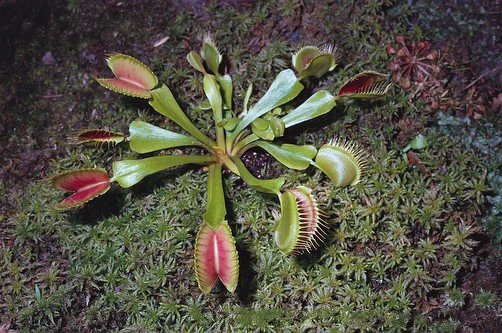
Do carnivorous plants that can eat insects really exist?
There are about 300 species of insect-eating plants in the world, and more than 30 species in our country. Insect-eating plants all seem to be very sensitive. Take the pitcher plant (Nepenthes): at the tip of its leaf there is a pouch shaped like a jar, and from the bottom of the jar flows sweet, fragrant nectar, while the mouth of the jar has a lid. When a greedy little insect crawls into the jar,
-
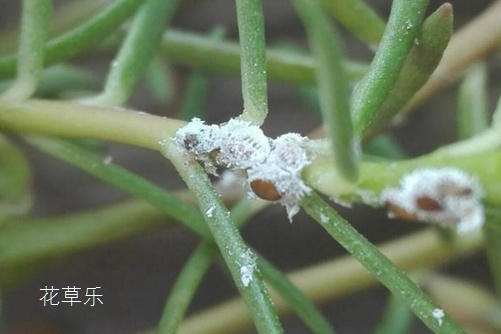
How to treat moss rose infested with scale insects without pesticides? Seven clever tricks to help you eliminate them
Moss rose (Portulaca grandiflora) is a perennial flower of the purslane family, Portulacaceae, genus Portulaca, and an annual succulent herbaceous plant. The plant grows 10-15 cm tall. The petals are brightly colored, in white, deep yellow, red, purple and other colors. There are many horticultural varieties, divided into single-petaled, semi-double-petaled and double-petaled types. It likes a warm, sunny and dry environment
-
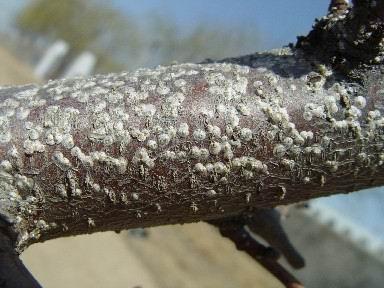
Scale insect species identification sources and whether plant scale insects parasitize and harm humans?
Scale insects are small insects and one of the pests most hated by many fruit growers and flower enthusiasts. They mainly harm fruit trees and forest trees and are one of the most common pests on ornamental flowers. Their reproductive capacity and resistance to pesticides are both very strong, making them generally difficult to control or eradicate. Where do scale insects come from?
-
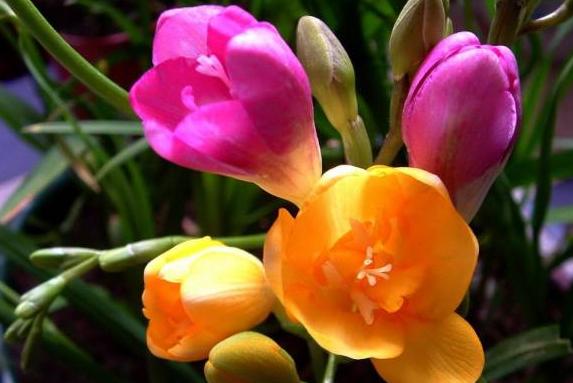
What causes tiny flying insects to appear on the plants you grow
Tiny flying insects in flower pots are so annoying, but with just these few steps, they all disappear immediately! This household grows flowers and plants, and flying insects have become regular visitors to this home. People often ask about flowers and friends ask how to care for flowers. Insects attached to flowers are also very troublesome. Today, I will teach everyone how to deal with tiny flying insects in flower pots.
条件筛选