-
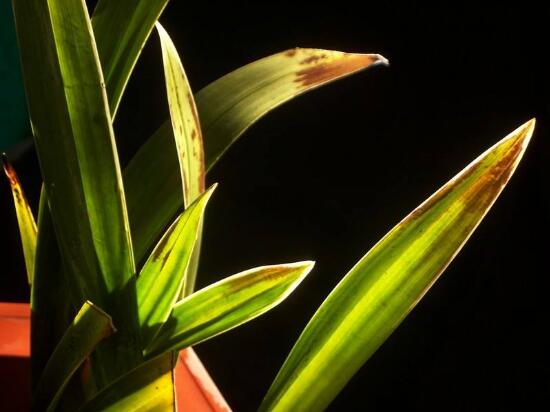
Gladiolus Leaves Turning Yellow or Black: Find the Cause, Cut the Diseased Leaves and Spray
Gladiolus is a very easy-to-grow indoor flowering plant, but if your care method is wrong, the gladiolus leaves will turn yellow or black. Previously we covered how to grow gladiolus, how to water-culture potted gladiolus, and what to do with the corms after gladiolus blooms
-

Peony: Benefits, Effects and Contraindications: Root Bark Can Fight Cancer and Stop Bleeding, Use with Caution If You Have Heart Disease
Peonies are very common in daily life. Many people grow potted peonies at home; they are not only beautiful but also do a great job of beautifying the environment. The uses of peonies go far beyond ornamentation: their flowers can also be brewed as tea, and their medicinal value is very broad. Their root bark can be used as medicine to fight cancer and stop bleeding. These are all benefits and effects of peonies.
-
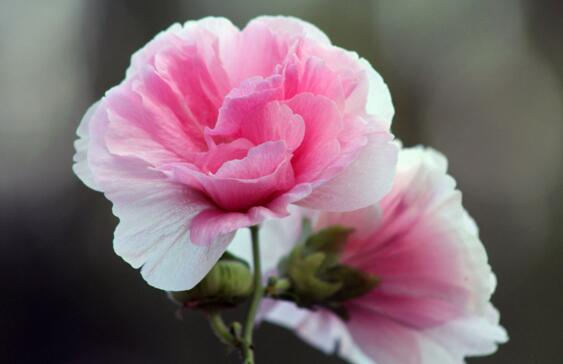
How Many Kinds of Hibiscus Are There? The Benefits and Uses of Hibiscus Can Cure a Hundred Diseases
Hibiscus, another name for the lotus, also called cotton rose hibiscus, is a plant that begins blooming in early October. In everyday life, everyone has surely heard the name hibiscus, but how much do you really know about it? For example, how many kinds of hibiscus are there? Different kinds have different uses, so what are the benefits and uses of hibiscus?
-
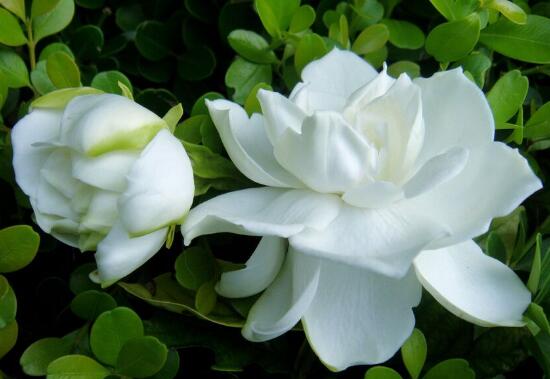
The benefits, effects and contraindications of drinking gardenia flower infused water; people with kidney deficiency should not drink it
Whenever summer arrives, the pure white gardenia blossoms. If you grow it at home, in the morning you will be intoxicated by the fragrance filling the air. When it comes to the benefits and effects of gardenia, everyone thinks of its beauty and its ability to remove odours, but in fact, besides these, gardenia also has great medicinal value, such as protecting the liver and promoting bile flow, lowering blood pressure and calming the nerves.
-

Rural Vision 07 | Napa Valley, USA: Only by protecting the terroir can there be fine wine! Farmland can only be used for farming, and wineries cannot serve as B&Bs or hotels
Rural Vision 07 | Napa Valley, USA: Only by protecting the terroir can there be fine wine! Farmland can only be used for farming, and wineries cannot serve as B&Bs or hotels
-
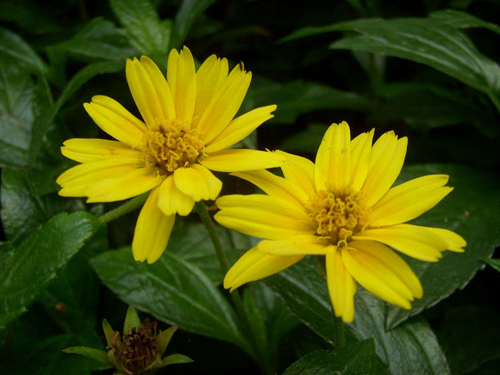
Cultivation and Care Methods and Medicinal and Other Uses of Wedelia trilobata
Wedelia (Wedelia trilobata, also known as South American wedelia) Scientific name: wedeliatrilobata. Common names: Three-lobed wedelia, Dijinhua, Chuandilong (Yunnan), Longguqi. Family and genus: Asteraceae. Morphological characteristics: Perennial herb. Stems creeping, leaves opposite, ovate-lanceolate.
-
What kind of fruit tree is Java plum? Characteristics and uses
Java plum, also known as Hainan Syzygium, is native to India and the Malay Archipelago. The fruit is dark purple to black, 1.0-2.0 cm long; improved varieties have fruit the size of a chicken egg, with thin skin, thick flesh and abundant juice, slightly sour and slightly astringent, eaten fresh or salted; unripe fruit can be made into vinegar, and ripe fruit can be brewed into wine. It is suited to tropical climates and also grows well on calcareous soils.
-
Detailed Explanation of Key Management Techniques for Apricot Trees in Greenhouses
1. Fertilizer and water management. After covering with plastic film, no more fertilizer is applied as a top dressing. After fruit set and during the pit-hardening stage, spray once with 0.3% urea plus 0.2% photosynthetic micro-fertilizer and 0.3% potassium dihydrogen phosphate. Install drip irrigation pipes inside the greenhouse and water reasonably according to soil moisture. Do not water excessively, to avoid excessive vigorous growth of new shoots, which can cause physiological fruit drop. 2. Training and pruning. For "Y"-shaped training, mainly retain lateral branches, appropriately thin out or utilize upward-growing branches, leave mediocre branches unpruned, cut back drooping branches, and remove overly dense branches, diseased and pest-infested branches, and dead branches. 3.
-
How was the trial on early breeding of rice field eel fry in greenhouses carried out?
At present, cage culture of rice field eels is concentrated on collecting fry in July, which gives a high survival rate and low farming risk. But concentrating purchases means few fry sources, high prices, and a low weight-gain multiple. If fry are purchased earlier, the unstable temperature leads to a high mortality rate of the fry. How can this problem be solved? We carried out a trial on early breeding of rice field eel fry in greenhouses, and a brief summary of the trial is as follows: 1. Trial conditions 1. Trial pond: a newly excavated artificial water surface, 250 m long, 4 m wide and 1.5 m deep, with an area of 1000 sq m. The water source is lake
-
Detailed explanation of the method for building a banded krait (Bungarus fasciatus) snake house
For artificial rearing of banded kraits, a snake garden or snake house can be used; for small-scale rearing, a snake box can be used. The snake garden and snake house for banded kraits should be built in a place that is sheltered from the wind and facing the sun, on high and dry ground, with dense soil, relatively close to a water source yet far from residential areas, and quiet. The snake garden should simulate the wild environmental conditions of the banded krait. The surrounding wall of the snake garden should be 2.5 m high, the inner surface of the wall should be smoothed with cement, the corners of the wall should be built into an arc shape, the wall foundation should extend 1.5 m underground, and at a depth of 1.5 m in the soil layer, lime-sand-clay mixture should be tamped solid to prevent rodents from burrowing and the snakes from escaping.
条件筛选