-

What to Do About Root Rot in Peace Lilies? Causes and Remedies Explained
There are many causes of root rot in peace lilies. If it is caused by improper watering, the watering method needs to be improved; if it is caused by improper fertilizing, the fertilizing method needs to be improved; if it is caused by temperatures that are too low, the temperature needs to be raised. If the root rot is relatively severe, it needs to be taken out of the pot, the rotten roots cut off, and then it should be placed in river sand, plain soil or water to grow new roots.
-
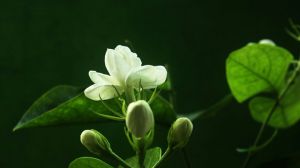
Jasmine leaves dry and scorched: causes and solutions
Due to unsuitable water levels: water moderately; if the soil is too wet and waterlogged, move it to a ventilated spot promptly. Due to improper fertilizing: when fertilizer strength is too high, stop fertilizing, and once the plant recovers, apply light fertilizer frequently. Due to temperatures being too low: cover it with a plastic bag or a bag of another breathable material and place it in a warm, humid spot.
-
Jasmine leaves dry and scorched: causes and solutions
Due to unsuitable water levels: water moderately; if the soil is too wet and waterlogged, move it to a ventilated spot promptly. Due to improper fertilizing: when fertility is too high, stop fertilizing, and once the plant recovers, apply light fertilizer frequently. Due to temperatures being too low: cover it with a plastic bag or a bag of other breathable material and place it in a warm, humid spot.
-
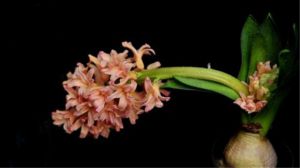
What to Do When Hyacinth Leaves Wilt? Causes and Remedies
There are many reasons why hyacinth leaves wilt. If it is caused by improper temperature, you need to adjust it to the range suitable for its growth; if it is caused by unsuitable light conditions, you need to give it sufficient light, but shade it at noon in summer; if it is caused by a lack of pruning, you need to prune it promptly after it blooms.
-
What to Do When Hyacinth Leaves Wilt? Causes and Remedies
There are many reasons why hyacinth leaves wilt. If it is caused by improper temperature, you need to adjust it to within the range suitable for its growth; if it is caused by unsuitable light conditions, you need to give it sufficient light, but shade it at midday in summer; if it is caused by a lack of pruning, you need to prune it promptly after it blooms.
-
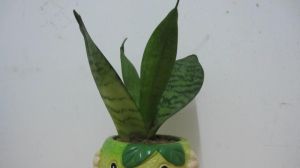
Snake Plant Leaves Falling Over? Find the Cause and the Fix Is Simple
There are many reasons why a snake plant's leaves fall over: if it is caused by overwatering, reduce watering and place it in a ventilated, shady spot; if it is caused by sunburn, shade it or move it to a spot with indirect light; if it is caused by unsuitable temperature, adjust it to 16-30°C.
-
Snake Plant Leaves Falling Over? Find the Cause and the Fix Is Simple
There are many reasons why snake plant leaves fall over: if it is caused by overwatering, reduce watering and place it in a cool, ventilated spot; if it is caused by sunburn, shade it or move it to a spot with indirect light; if it is caused by unsuitable temperature, adjust it to 16-30°C.
-

Pots, pans and dishes causing you trouble? Japanese housewives solve it with these 4 amazing tools
Advanced new tricks for kitchen storage. Life doesn't have to stay the same. When it comes to kitchen storage methods, you'll find your home becomes even more uniquely charming. 1. Pegboard. Pegboards have shot to internet fame in the past two years, and you'll find they really are...
-
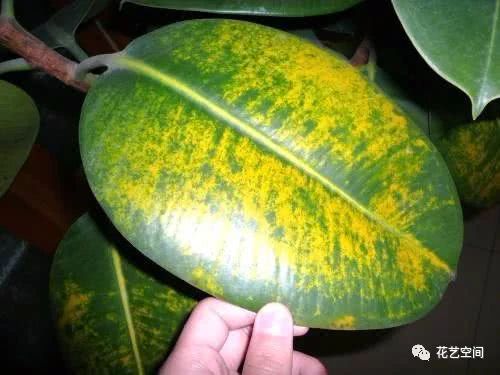
Rubber plant yellowing leaves in summer? Use this to keep new leaves coming and make them bright and big
Many people like growing plants indoors to add color and light to their lives and to purify the air. The rubber plant (Ficus elastica) is a common ornamental green plant and is quite popular. Growing a rubber plant in summer, if it is prone to yellow leaves, you might as well use this to care for it, and new leaves will keep sprouting...
-
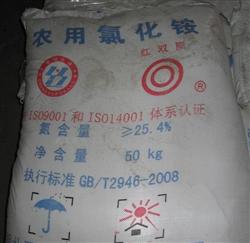
What are the uses of ammonium chloride? This article explains the main uses in detail
What are the uses of ammonium chloride? How is ammonium chloride best applied? We also ask knowledgeable readers to help explain. Ammonium chloride is a physiologically acidic fertilizer, contains about 25% nitrogen, and appears as white or pale yellow fine crystalline granules or small particles. It has low hygroscopicity, dissolves easily in water, and is easily absorbed by crops. It can be used in agricultural...
条件筛选