-

Program-controlled micro-sprinkler technology for greenhouse cultivation of edible fungi and preservation methods
Greenhouse cultivation of edible fungi uses program-controlled micro-sprinkler technology
-

Is the porcini mushroom poisonous? Why does eating porcini cause poisoning, and how much does fresh porcini cost per jin?
Porcini mushrooms are mainly produced in Yunnan, so the price of porcini in Yunnan is somewhat cheaper than porcini from other places; the market price of Yunnan porcini is around 25 to 50 yuan per kilogram. As for the claim that porcini is poisonous, what is your view? If it really is toxic,
-
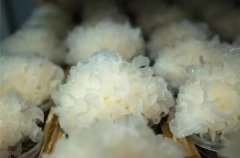
Tremella (white fungus) cultivation and growing techniques: how long can a mushroom bag be used, and how many times can it be harvested repeatedly?
There are three cultivation methods for Tremella: log cultivation, bag cultivation, and bottle cultivation. Today I will introduce the bag cultivation method. How long can a Tremella mushroom bag be used at one time? Bag-cultivated Tremella can generally be harvested 2 times. So can the Tremella mushroom bag be reused? Actually it cannot.
-
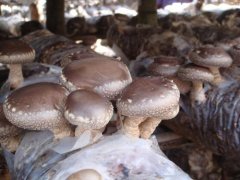
How to grow mushrooms on coffee grounds: cultivation and growing method, can spent mushroom substrate be reused?
Coffee shops today produce a fairly large amount of coffee grounds every day, so someone discovered that coffee grounds can be used to grow mushrooms, and this is a usable resource. Coffee grounds are an excellent medium for growing mushrooms (especially suitable for oyster mushrooms). Here we should thank the coffee brewing process
-
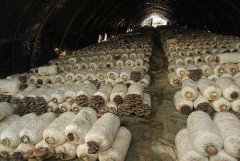
Using coffee grounds to grow mushrooms has many clever uses; how much is a ton of spent mushroom substrate?
What are some of the clever uses of coffee grounds? Coffee grounds are usually treated as waste, but they actually have many clever uses, such as being used to remove odors, and they can also be used as soil for growing mushrooms. Coffee grounds contain a large amount of antioxidants and are very suitable as a nutrient source in soil.
-
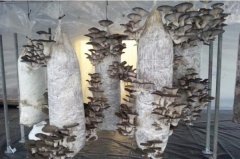
Can Coffee Grounds Be Used to Grow Mushrooms? A Detailed Guide to Substrate Recipes
Do you know what coffee grounds are good for? As far as we know, they can be used as a raw material for dehumidifying and deodorizing, and they are also rich in nutrients. Because of these rich nutrients, some people saw a business opportunity and started using coffee grounds to grow mushrooms,
-
What to Do When Straw Mushroom Mycelium Shrinks? Causes and Control Methods
1. Using inferior spawn: Spawn that is too old or too young, degenerated spawn, weak mycelial vitality, poor stress resistance, or spawn stored for a long time in environments with temperatures that are too low or too high can all lead to failure to germinate after spawning and shrinkage of mycelium in the spawn blocks. Control: Select spawn of the appropriate age and high quality, and ensure the temperature during the cultivation process does not get too low. 2. Improper control of compost temperature: When the air temperature is high, the compost is too thick, and the mushroom house has good insulation, the temperature inside the compost after spawning exceeds 42°C for an extended period, which causes mycelium to shrink and die, resulting in burning of the mycelium.
-
Detailed Explanation of High-Yield Cultivation Technology for Agaricus bisporus in Mushroom House Shelf System
For several years, the author has been exploring high-yield cultivation technology for Agaricus bisporus (button mushroom) in mushroom house shelf systems and has gained some successful experience. The relevant techniques are summarized below for reference by peers. 1 Mushroom house and shelf structure The mushroom house is 19.6 m long from east to west, 9 m wide from north to south, with front and rear walls 2.5 m high and gable walls 3.5 m high. The walls are built with bricks and lime mortar. The outside is pointed with cement; the inside is first coated with lime mortar and then brushed with lime mortar. The front and rear walls have 4 ventilation windows of 25 cm x 20 cm each, arranged in upper and lower rows facing the aisle, with the first ventilation window 20 cm above the ground. The front
-
What mushroom production strains are used in China? Introduction to the main varieties
Since China began developing mushroom production, about several dozen strains have been used for cultivation, among which some were introduced from abroad and some were bred domestically. In the past, more strains were introduced, but as China's mushroom breeding work has deepened, the number of introduced strains has gradually decreased. At present, the most widely used strain in China is Ag2796, bred by the Fujian Provincial Institute of Light Industry, as well as As3003; introduced strains include S130, F56, and others.
-
Causes and Control Methods of Deformed Mushrooms in Greenhouses
1. Hollow white-stem mushrooms. The mushroom stems become loose and white, and in severe cases shrink to form a hollow center. Causes: during the fruiting body growth stage, it is caused by dry air and high temperatures. When the relative air humidity is below 85%, the water content of the casing soil layer is relatively low, and the temperature inside the mushroom house is above 18°C, the mushrooms grow quickly and evaporate water quickly, causing the water absorbed by the mushroom body to be less than the water lost through transpiration. Control methods: spray water promptly during the day to keep the relative air humidity at 90%, and ventilate promptly after spraying water in the morning and evening to lower the greenhouse temperature, keeping it at 14-
条件筛选