-
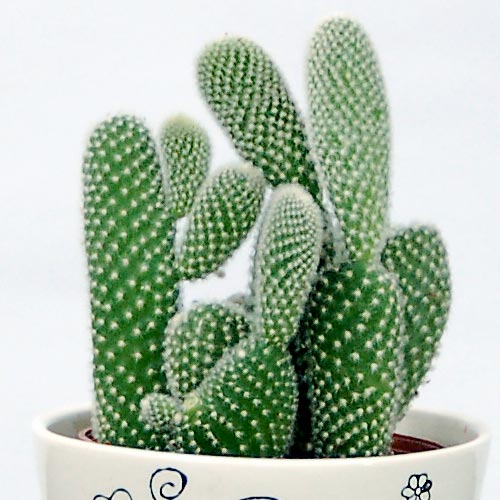
Which plants fear rain and sun exposure in summer? This article is all you need
Summer is a season of high temperature and high humidity, which is bad for the growth of flowers and plants. Below are how some common potted flowers react to high humidity. Flower lovers should pay more attention to preventing dampness, so that the flowers they have painstakingly cultivated do not die. In home potted cultivation, cacti and cactus balls (Echinopsis) are fairly drought-tolerant, and the water used for watering must be clean, without any dirt
-

Honeysuckle is a natural treasure for cooling off in summer
In summer, regularly drinking honeysuckle tea can help prevent heatstroke, intestinal infections and other illnesses. For summer-heat restlessness and heart irritability, or sores and tumors in children, take 10 g of honeysuckle and steep it in water as a tea substitute. If 10 g of chrysanthemum is added and steeped together, the effect is even more pronounced. For sores and swellings, upper respiratory tract infections, urinary tract infections, biliary tract infections, breast inflammation and similar conditions, take 10-20 g of honeysuckle, decoct it in water and take it orally, twice a day; this can bring the condition under control and relieve symptoms. Take 20 g of honeysuckle, dry-roast it and grind it into powder, then mix it with sugar water or honey and take it; this can treat summer-heat diarrhea and dysentery, and is recorded in ancient medical texts
-
What are the key points of summer management in a peach orchard? This article is all fruit growers need to read
Summer is an important period for peach shoot growth and fruit enlargement. Strengthening peach orchard management is the key to increasing production this year and achieving a bumper harvest next year. 1. Fertilize according to the tree: In late May, apply a topdressing to peach trees that have borne a lot of fruit this year and are relatively weak in vigor. Conversely, do not fertilize peach trees that have borne little fruit and are relatively vigorous. When fertilizing, dig a ring-shaped fertilization trench about 1 m long and 0.25 m deep and 0.25 m wide at the drip line of the canopy. For mature fruiting trees, apply 40-50 kg of decomposed human, livestock, and poultry manure water per tree, plus 0.3-0.4 kg of ammonium phosphate (or
-
How to raise shrimp well in midsummer? Master these key aquaculture techniques
In the hot midsummer season, hot weather, strong sunlight, high water temperature and poor water quality affect the shrimp's foraging and molting growth, and can easily cause disease and death in shrimp. During the hot season, farmers should carry out the following management work: implement water-based temperature control and oxygen regulation: as the water temperature rises and the shrimp grow, the water depth must be continuously increased, especially in the middle and late stages of farming, when the water level must be raised to 1.8 m-2 m, and during the high-temperature period it should be kept above 2.2 m. During the high-temperature period, complete drainage and complete refilling should be carried out, keeping the water temperature within 30°C and the water transparency at 35 cm, so as to favor
-
Detailed explanation of rapid fish fry cultivation techniques in summer
Summer is a very important season for fish fry cultivation. Good cultivation measures can promote growth, strengthen physique, improve disease resistance, provide large-sized and robust superior fry for adult fish farming, and achieve increased production, income, and efficiency. Summarizing the experience of recent years, rapid fish fry cultivation in summer should achieve the following points: 1. Regulate the water environment. As the saying goes, "To raise fish, first raise the water; when the water is good, the fry are strong." In ponds that have previously cultivated fry, due to long-term aquaculture, sludge accumulates, water quality gradually ages and deteriorates, dissolved oxygen
-
What causes chickens to often lay soft-shelled eggs in summer?
After summer arrives, some chickens often lay soft-shelled eggs; although the flock's laying rate is not low, the number of soft-shelled eggs increases. What is the reason for this? There are two reasons for this situation: first, the chickens lay a large number of eggs, and the calcium and phosphorus in the feed cannot meet the needs of eggshell formation. Second, because the chickens lay a large number of eggs and the weather gradually becomes hotter, their physical condition declines markedly, and the digestive and absorptive capacity of the chickens' stomach and intestines for calcium and phosphorus is greatly weakened. So, how can this problem be solved? In summer, sufficient mineral feeds such as bone meal, stone meal and shell meal must be added to the feed, and
-
Key Technical Points for Summer and Autumn Field Management of Jasmine
Jasmine is a traditional aromatic flowering plant. In many places, jasmine is grown in open fields, with a flowering period lasting 5-7 months. The main field management techniques for jasmine are as follows: 1. Cultivation and weeding. Shallow hoeing should be done regularly to loosen the soil and remove weeds, creating a loose and well-aerated soil environment for the jasmine root system, avoiding nutrient dispersion, and promoting its growth and development. Generally, cultivation and weeding are done 6-8 times throughout the year. 2. Reasonable water management. Jasmine has lush branches and leaves, and water transpiration is high. The soil should be kept moist regularly, and the field moisture content should be maintained at
-
Pig eczema is highly prevalent in summer, and farmers must take strict precautions
Pig eczema, also known as pig damp-toxin disease, is mainly caused by pigs living in a damp environment for a long time. It is generally most severe during the high-temperature seasons of summer and autumn. Symptoms: affected pigs mostly develop the disease suddenly; at the beginning, the skin under the jaw, on the abdomen and on both sides of the perineum turns red, with broad bean-sized nodules appearing, and the pigs are restless due to itching. As the condition worsens, blisters and papules appear, and after they rupture they are often accompanied by yellow exudate, scabs and scales. If acute cases are not treated in time, they often become chronic, with the pig's skin becoming thick and rough and itching, and the pigs often rub against walls or trees to relieve the itching, leading to loss of hair over the whole body.
-
Common abnormal phenomena and handling measures in oyster mushroom cultivation in late spring and early summer
Late spring and early summer is a good season for cultivating oyster mushrooms. However, due to improper operations, some mushroom growers experience abnormal phenomena such as yellowing and necrosis of mushroom logs after fruiting, souring and stinking of the substrate, and delayed fruiting after the mycelium has fully colonized the bags, which reduces the success rate, yield, and quality and directly affects economic returns. Based on many years of production practice and the experience of growers, the author summarizes the causes of these abnormal phenomena and the handling measures as follows. 1. Mass death of young mushrooms after fruiting from the mushroom bags In late spring and early summer, sometimes after the mushroom logs fruit, young mushrooms turn yellow and soft in large numbers, their bases thicken, and then they wither and rot into dead mushrooms.
-
Key Management Techniques for Fresh-Eating Jujube in Summer and Autumn
I. Promoting Jujube Fruit Enlargement The size of the fruit depends on the genetic factors of the variety itself, but scientific management measures have a relatively large impact on fruit size. The main technical measures for increasing fruit size in production are: 1. Strengthen soil, fertilizer and water management by increasing the application of organic fertilizer, deep plowing to improve the soil, and improving soil permeability, so as to achieve sufficient nutrition for tree growth and ensure jujube fruit enlargement and increased yield. Before fruit enlargement, apply an appropriate amount of phosphorus and potassium fertilizer as a top dressing. Generally, for trees in full fruit period, apply 0.75-1 kg of potassium sulfate or potassium-magnesium fertilizer per tree, either by flushing application or hole application, to increase fruit size
条件筛选