Practical watering tips for flowers during the summer-to-autumn transition
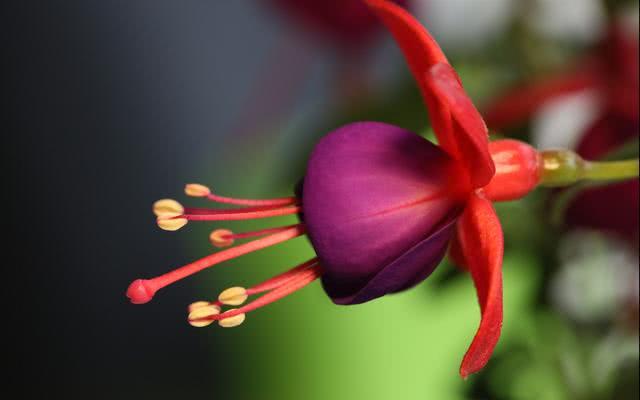
Fellow flower growers should know that watering flowers is actually a very important process, and especially during this transition period between summer and autumn, watering plants is even more of a key step. So the editor has put together some steps for watering flowers, hoping they will be helpful to everyone!
1. Watering gardenia
It is a plant that loves water. In summer, watering should be increased. When grown outdoors, it should be watered 1 to 2 times a day; when grown indoors, water once every 1 to 2 days. Be careful to prevent waterlogging. Schedule watering in the morning or evening, and add a little ferrous sulfate to the water. Mist the leaves 2 to 3 times a day, and be careful to maintain humidity.
2. Watering amaryllis (Hippeastrum)
For indoor potted plants in summer, we can water only once a week, while for amaryllis grown outdoors, water once every 1 to 3 days. Generally, we should water only when the soil feels dry to the touch.
3. Watering roses
Increase watering in summer. Outdoors, water once every 1 to 2 days, but indoors, where the soil has more particles and better drainage, you can water once a day. If the soil used is fairly clayey and heavy, you can water once every 2 to 3 days. Note that watering should be done in the morning and evening, and the water used should be left in the sun for 2 days in advance to reduce the temperature difference and avoid shocking its root system.
4. Money tree (Pachira aquatica)
Watering frequency increases in summer. Small money trees should be watered 2 times a week; large money trees store water well, so they can be watered once a week. If you want to predict when a money tree should be watered, you can feel the surface of the soil with your hand. If the top 3 to 5 cm is dry, then the money tree is fairly short of water, and only then should you water. Money trees are very afraid of waterlogging; even if you under-water it, you must not over-water it.
5. Kalanchoe (Kalanchoe blossfeldiana)
Kalanchoe is different from ordinary flowers. In summer it enters a dormant state, and at this time watering should be reduced. You should also wait until the top 2 to 3 cm of surface soil is completely dry before starting to water. Watering about once a week is enough.
6. Cuban oregano (Plectranthus amboinicus, "pengpengxiang")
Cuban oregano should be watered more in summer, at a frequency 1 to 2 times higher than in spring, but after summer has passed, you should wait until its leaves are a little wilted before starting to water it. In summer, you can first collect some rainwater to water it, which can make it grow faster.
7. Clivia (Clivia miniata)
In summer, Clivia transpires a great deal, so it should be watered little but often. You must not give it heavy, thorough watering, because its drainage is relatively poor, and once you water heavily it easily becomes waterlogged. If on ordinary days you find its surface soil is already dry, just mist it damp. Do not water thoroughly often. Watering thoroughly once a week is enough.
8. Mosquito plant (Pelargonium citrosum)
For watering in summer, you should water thoroughly about once every 5 days, and only start watering when you find the surface of its potting soil has begun to turn white. Watering it is a bit more particular: you can add a little ferrous sulfate at 2 percent concentration.
Now that summer is about to transition into autumn, watering flowers is also a difficult point. In this issue, the editor has updated the watering points to note for 8 kinds of flowers, hoping to be of help to everyone!