-

A Detailed Guide to Identifying Symptoms and Control Methods of Goji Berry Powdery Mildew
Goji berry powdery mildew, also known as goji berry leaf spot, mainly damages leaves and fruits. When leaves are infected, circular to nearly circular lesions initially appear, 2 to 4 mm in size, with brown edges and grayish-white centers. Black-gray mold-like growth often appears on the underside of the leaves. Infected fruits also develop similar symptoms.
-

What methods are there for identifying pests and diseases of garden flowers?
Garden flowers suffer from many kinds of pests and diseases, and the control methods differ as well. In order to carry out effective control, it is especially important to detect them promptly, correctly identify and diagnose the type of pest or disease, and treat the problem accordingly.
-

How to Identify and Control Anthracnose in Orchids? A Full Analysis of Practical Tips
Anthracnose occurs in all orchid-growing regions of China. In severe cases, the disease not only affects the normal growth of orchids but also causes entire leaves to wither and die. Besides harming terrestrial orchids (that is, Chinese orchids, or orchids for short) such as Cymbidium goeringii, Cymbidium sinense, Cymbidium faberi, Cymbidium ensifolium and Cymbidium kanran, anthracnose also harms epiphytic orchids such as Cymbidium hookerianum and Cymbidium wilsonii
-
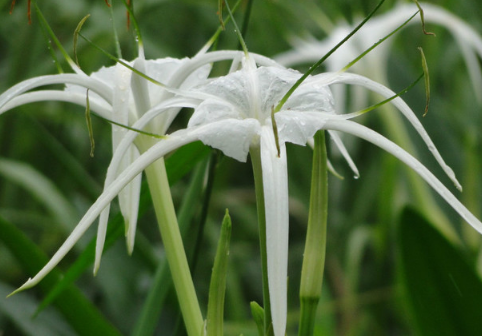
A Detailed Guide to Identifying and Controlling Common Diseases of the Spider Lily
Anthracnose symptoms: Anthracnose is a fungal disease that mainly affects the leaves of the plant and is highly detrimental to its growth. Control methods: Promptly prune and burn the diseased leaves. Before flowering in spring, spray a 600-fold dilution of 40% sulfur-carbendazim suspension. Keep the environment moist and avoid over-applying nitrogen fertilizer.
-
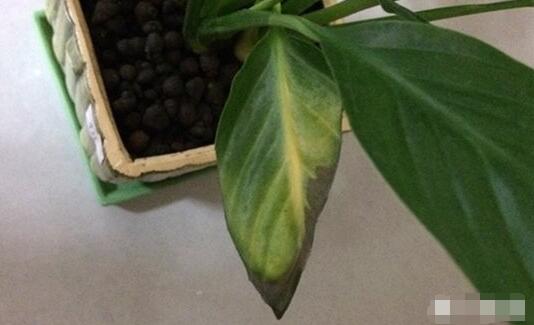
What to Do When Peace Lily Leaf Tips Look Scorched? Identifying the Four Causes Is Key
The leaves of the peace lily are oval or lanceolate, and under normal conditions both ends should be emerald green. However, some flower lovers have encountered the situation where the leaf tips of their peace lily look scorched, which has caused some of them great worry. Experts believe there are four main causes.
-
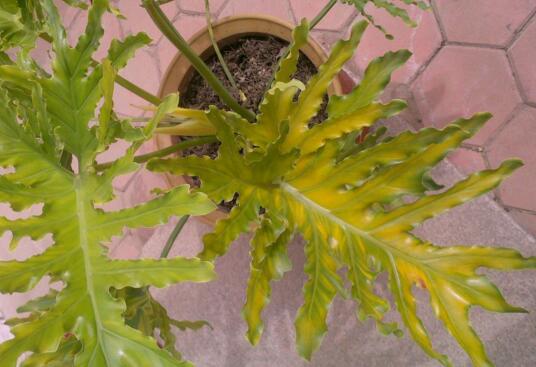
What to Do When Philodendron Leaves Turn Yellow? Identify the Cause of Temperature, Fertilizer, and Watering Problems and Treat Accordingly
Native to South America, Philodendron bipinnatifidum is loved for its huge, heart-shaped leaves, but some flower growers may encounter yellowing leaves, which is deeply distressing. So what should you do if the leaves of your Philodendron turn yellow? Besides mastering the correct cultivation methods and precautions for Philodendron
-
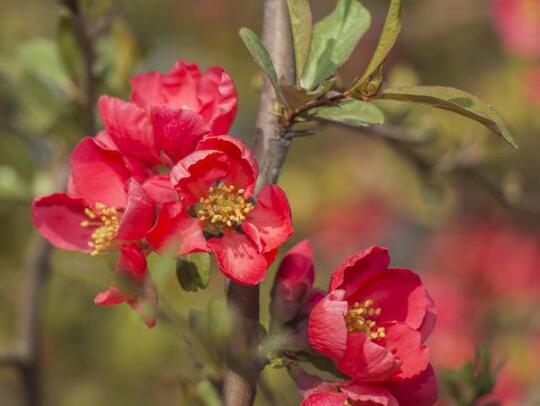
What to do when the leaves of the Japanese rose turn yellow? Identify the cause and control the amount of watering
The Japanese rose is a highly ornamental plant and is grown in many regions of our country. But even the most beautiful flower will lose its appeal if its leaves turn yellow. What should you do when the leaves of the Japanese rose turn yellow, and what are the causes? Let's take a look below.
-
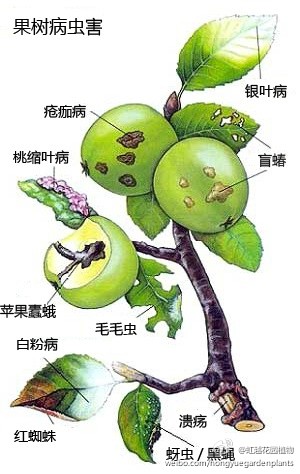
Complete Illustrated Guide to Flower Pests and Diseases: Quickly Identify Disease and Pest Symptoms
Pest and disease illustrations are always somewhat scattered. The few images below bring together illustrations of several dozen common flower pests and diseases, plus illustrations of fruit tree pests and diseases, rose pests and diseases, and tree pests and diseases.
-
How to Identify and Control the Tea Green Leafhopper
The small green leafhopper, also known as the floating dust hopper, is the most important pest of tea plants. It damages tea plants by having its nymphs and adults pierce and suck the sap of young shoots, buds and leaves, causing the buds and leaves to yellow and lose their green color, the leaf veins to turn red, and the leaf texture to become coarse and old. In severe cases, the leaf tips and margins become reddish-brown and scorched, the buds and leaves shrivel, growth stops, and they may even be completely scorched, as if burned by fire. When affected leaves are made into dry tea, the amount of broken fragments increases, the taste is bitter and astringent, and both yield and quality are seriously affected. The adult small green leafhopper is 3.5-4.0 mm long, pale green to yellow-green, with 2 small green spots in the middle of the top of the head, and the mesothoracic scutellum
-
How to Identify Soybean Downy Mildew? A Complete Guide to Prevention and Control Techniques
Downy mildew is found in all major soybean-producing regions of China, occurring more frequently in the cold-climate areas of the Northeast and North China during the soybean growing season, with the disease worsening in rainy years, severely causing premature leaf drop or wilting, seed rot, and yield losses of 30%-50%. It mainly damages the leaves, pods, and seeds of seedlings or mature plants. Symptoms: The pathogen on infected seeds causes systemic infection leading to seedling disease, but the cotyledons show no symptoms. After the first pair of true leaves unfolds, chlorotic patches appear along both sides of the leaf veins, spreading along the main vein and lateral veins, causing the entire leaf to lose chlorophyll, with
条件筛选