-

What plant is Sedum adolphi? Introduction to the characteristics of Crassulaceae succulent varieties
Sedum adolphi is a succulent plant of the genus Sedum in the Crassulaceae family, native to Mexico. Spring and autumn are its peak growing seasons, while in summer it needs shading and controlled watering during high temperatures, and in winter it can safely overwinter at temperatures above 5°C.
-
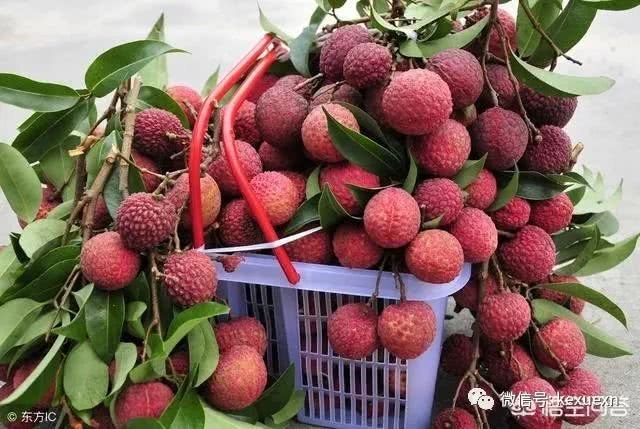
Fruit rots in the orchard while supermarket prices stay high - here is why
Emperor Xuanzong of Tang had fresh lychees delivered for Yang Guifei, and Du Mu wrote in a poem: "A galloping horse raises red dust, the concubine smiles; no one knows it is the lychees arriving." In that era, only express riders covering 800 li a day could bring fresh fruit. Although transportation is convenient now,...
-

Auspicious and elegant flower with strong adaptability, highly ornamental when grown in pots
Introduction: Welcome to Episode 703 of "Flower Care Tips - Good Flower Recommendations." There are countless types of flowers, but for flower enthusiasts to pick the most satisfying one is always a difficult choice, because every kind of flower has its own ornamental value, whether red blooms...
-
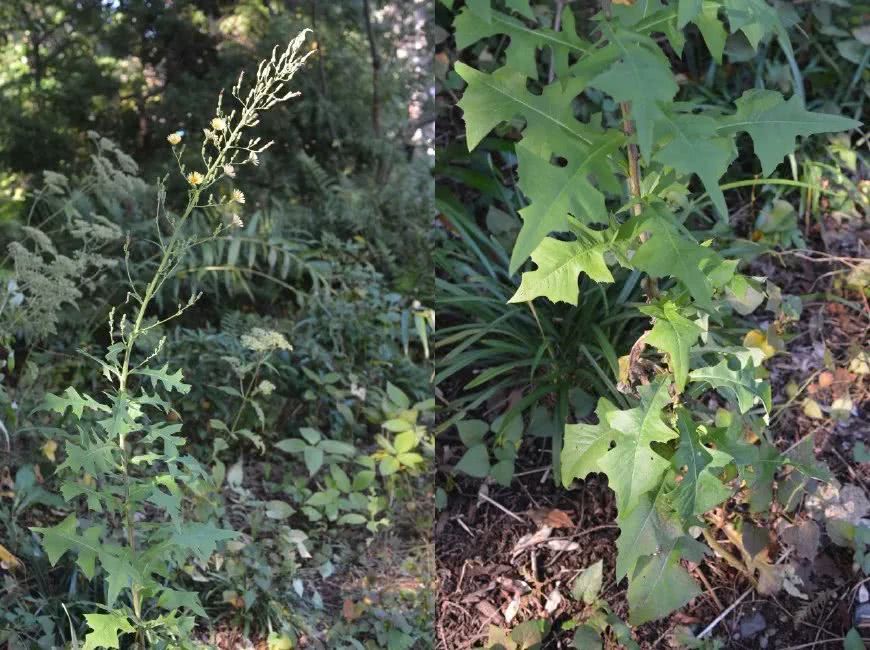
Duck's food was once used by farmers to feed ducks, now it sells for 10 yuan per jin as a high-calcium wild vegetable
Warm reminder: Hemu Report aims to share and popularize information about various plants and their uses, for reference only. If medicinal use is needed, it is recommended to consult a professional physician to avoid problems! In rural areas there are all kinds of wild grasses, especially in spring and early summer...
-
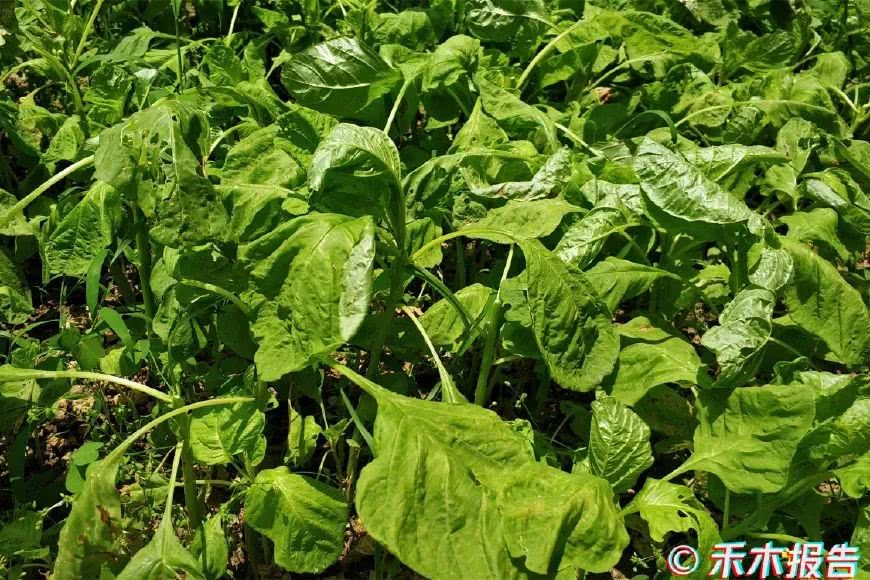
Once used as pig feed, it has an extremely high calcium content; now it has become the number one vegetable of June
Friendly reminder: Hemu Report aims to share and popularize information about various plants and their uses, for reference only. If medicinal use is needed, it is recommended to consult a professional physician to avoid problems! Friends living in rural areas mostly have their own vegetable gardens, and in...
-
Bergeranthus is a succulent plant in the Aizoaceae family.
Bergeranthus grows relatively fast and is easy to cultivate. Its slender, deep green leaves are about 3 cm long, and it blooms with yellow flowers. Watering should also alternate between wet and dry, but long periods of drought and waterlogging must be prevented. In summer, shade is needed during high temperatures, and direct sun exposure must be strictly avoided.
-
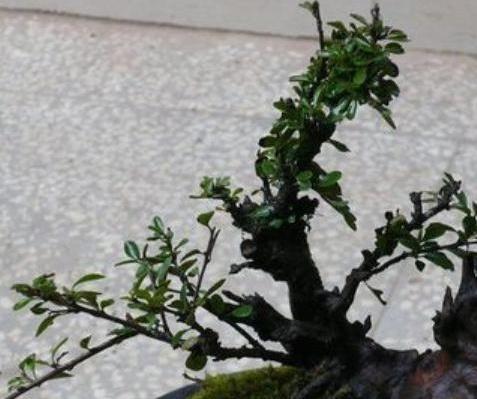
What is a Tie Ma Bian bonsai like? Strong character and highly ornamental
Bonsai has a long history in our country. All kinds of bonsai emerge one after another, making people dazzled. Today, the editor will introduce to you a method for growing a kind of bonsai. As long as you follow the steps below, anyone can care for this bonsai. It is said to...
-
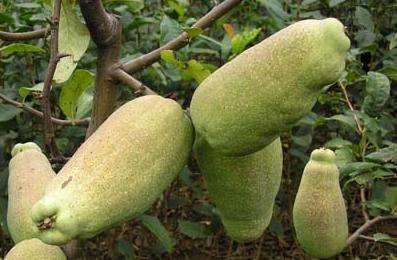
How can Chaenomeles speciosa be planted for higher returns?
How can the planting returns of Chaenomeles speciosa be improved? Chaenomeles speciosa is a perennial deciduous shrub of the genus Chaenomeles in the rose family. Its dried fruit is used as medicine, known in materia medica as "Zhoupi Mugua" (wrinkled-skinned Chinese quince), and it has the effects of soothing the meridians and invigorating the collaterals, and harmonizing the stomach and resolving dampness. Chaenomeles speciosa has strong adaptability...
-
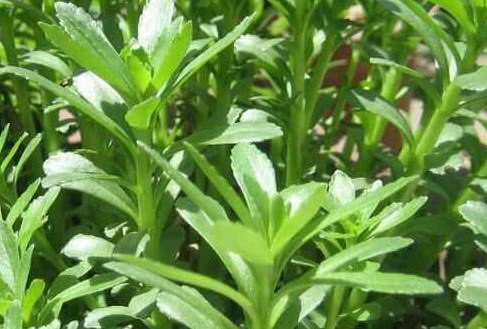
These wild vegetables are nutritious to eat, high in medicinal value, and offer many benefits, so don't miss out
Sedum kamtschaticum (heart-saving vegetable) has the effects of nourishing the heart, calming the liver, lowering blood pressure and blood lipids, and preventing or delaying vascular hardening. Long-term consumption has a relatively good therapeutic effect on heart disease, high blood pressure, high blood lipids, hepatitis and so on, so Sedum kamtschaticum is an ideal health vegetable...
-
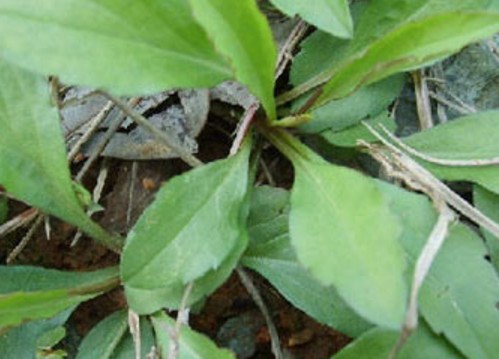
Wild vegetables clear heat and detoxify, are high in calcium, country people rush to eat them, suitable for people with high blood pressure and diabetes
The whole plant is used medicinally; it clears heat and detoxifies, helps digest food accumulations, promotes urination, and disperses blood stasis to stop bleeding. In Fujian and Guangdong it is commonly known as field-edge chrysanthemum and roadside chrysanthemum; in Hubei, Sichuan, Guizhou and Guangxi it is commonly known as loach string, mud loach string and mud loach vegetable; in Yunnan it is called straw-cloak lotus....
条件筛选