What plant is Sedum adolphi? Introduction to the characteristics of Crassulaceae succulent varieties
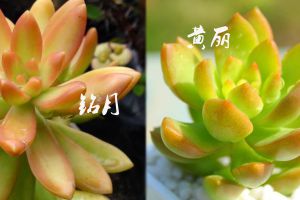
Common names of Sedum adolphi
Sedum adolphi is commonly known as Huangyulian (Yellow Jade Lotus).
Habits of Sedum adolphi
Sedum adolphi is a succulent plant of the genus Sedum in the Crassulaceae family, and spring and autumn are its growing seasons.
Sedum adolphi is native to Mexico and likes a warm environment with plenty of sunlight. Its suitable growing temperature is 18~25°C. It tolerates partial shade and also tolerates drought, and grows with moderate watering during the growing season.
Sedum adolphi is a full-sun plant, and when the light is sufficient, its leaves turn golden yellow.
The commonly used propagation method for Sedum adolphi: cuttings.
Care tips for Sedum adolphi
Soil: repot once every 2~3 years, in spring. Use a mix of fertile garden soil and coarse sand, with a small amount of bone meal added.
Watering: keep the potting soil slightly moist during the growing season. In summer the plant is in a semi-dormant period, so reduce watering and keep the potting soil dry. In winter, watering depends on room temperature; water when dry and wait when moist.
Fertilizing: fertilize 2~3 times a year, using diluted cake fertilizer water or a special succulent fertilizer, and avoid over-fertilizing, which causes the leaves to spread out and become soft with a poor shape.
Pests and diseases: common pests and diseases include anthracnose and scale insects. When anthracnose occurs, spray with a 50% thiophanate wettable powder solution diluted 500 times.
Propagation methods of Sedum adolphi
Cuttings: cuttings can be taken throughout the year, with the best results in spring and autumn. In spring, cut off the top branches, 5~7 cm long, leave them in a cool place for a period of time, then insert them into a sand bed. Roots can form in 3~4 weeks.
Suggested planting combinations: Sedum rubrotinctum and Sedum pachyphyllum.
Related Articles
- How to prevent and control pests and diseases on desert rose? Ventilation and dryness are the key to prevention
- The three main causes of cotton diseases: climate, seeds and cultivation
- How to Grow Bird's Nest Fern in Water? Master Temperature, Light, and Water Change Techniques
- A Complete Guide to Identifying and Controlling Common Potted Flower Pests
- Do Carnivorous Plants Need Watering? Pot Watering and Wet/Dry Assessment Methods
- How to manage cotton during the flowering and boll-setting stage? Apply flowering and boll fertilizer heavily, use chemical regulation and pruning to prevent premature senescence
- How to Grow Chinese Hibiscus? Master These 5 Key Points for Blooms All Year Round
- How to Grow Tulips in Water? The Complete Process from Bulb Preparation to Blooming