These wild vegetables are nutritious to eat, high in medicinal value, and offer many benefits, so don't miss out
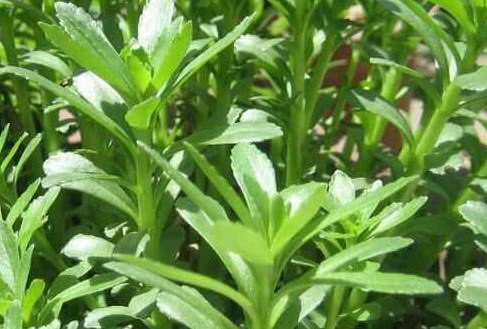
Sedum kamtschaticum (heart-saving vegetable) has the effects of nourishing the heart, calming the liver, lowering blood pressure and blood lipids, and preventing or delaying vascular hardening. Long-term consumption has a relatively good therapeutic effect on heart disease, high blood pressure, high blood lipids, hepatitis and so on, so Sedum kamtschaticum is an ideal health vegetable. The original plant is also one of the anti-tumor Chinese herbal medicines. According to clinical verification by experts: eating Sedum kamtschaticum for several months can suppress and treat high blood pressure and heart disease (coronary heart disease, arrhythmia, paroxysmal tachycardia, rheumatic heart disease, etc.), and has the effects of calming the heart and liver, soothing the nerves and enriching the blood, clearing heat and detoxifying, and stopping bleeding and dissolving stasis. It can prevent and treat more than ten kinds of cardiovascular and cerebrovascular diseases, including hysteria, arteriosclerosis, stroke and hemiplegia, insomnia and frequent dreaming, palpitations and panic, high blood lipids, diabetes, thrombocytopenic purpura, bleeding gums, heavy menstrual flow, traumatic injuries, hepatitis, and gastrointestinal bleeding, hence the name "heart-saving vegetable." Sedum kamtschaticum has a graceful form and a refreshing taste, and is excellent both as medicine and as food. It can be stir-fried or stewed with meat, eggs, edible fungi, dried shrimp, etc., made into soup, used as a filling, cooked in hot pot, or simply stir-fried plain, served cold with dressing, dipped in sauce, or pickled as a side dish. Its flavor is unique, and it never gets tiresome no matter how much you eat.
The whole plant of Hemisteptia lyrata (lyrate hemisteptia) can be used as medicine, with the effects of clearing heat and detoxifying, and reducing swelling and dissipating nodules. It can treat mastitis, boils, cervical lymphadenitis, carbuncles, toothache, gingivitis and other conditions. Hemisteptia lyrata is bitter and cool in nature and flavor, with the effects of clearing heat and detoxifying, and reducing swelling and dispelling stasis. It treats hemorrhoids and fistula, carbuncles and sores, traumatic bleeding, and fractures. "Guizhou Herbal Medicine" records: "Clears heat and detoxifies, dispels stasis and promotes tissue regeneration." In Sichuan, it is used among the people to treat cataracts, with relatively good results. In the Jiangsu and Zhejiang areas, there is a custom of eating qingtuan during the Qingming Festival. The wild vegetables generally used to make qingtuan are of three kinds: Hemisteptia lyrata, mugwort, and Gnaphalium affine. After blanching, Hemisteptia lyrata turns emerald green; it was commonly used in the past, but today it is not used much. In the Tongxiang and Deqing areas, the green dumplings made from Hemisteptia lyrata and sprouted wheat and other ingredients are called sweet wheat balls, also called sweet wheat cakes. They are made around Qingming every year and are deeply loved by the locals.
Kochia scoparia (summer cypress), also called broom grass, is the most common wild vegetable in rural areas. It is rich in nutrients and high in medicinal value, with the effects of strengthening the body, promoting urination, improving eyesight, and dissolving uric acid. It is suitable for uric acid-related gout and can also be used for night blindness and other conditions. Its tender stems and leaves can be eaten, and it is a semi-wild vegetable containing high levels of carotene and high potassium and copper. It is generally blanched in boiling water and then stir-fried, served cold, or used as a filling. Stir-fried shredded pork with Kochia scoparia has bright color and a fresh, refreshing taste, and it can also be made into pastries.