-
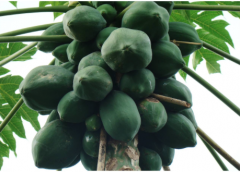
What Are Hawaiian Papayas Like? A Brief Introduction to Production and Prices
Hawaiian papaya is a papaya variety grown in Hawaii. Have you ever learned about this kind of papaya? Would you like to know the production and prices of Hawaiian papaya? Let's take a look together! Hawaii's papaya industry in Hawaii, papaya has been cultivated for more than a
-

How to Grow and Care for the Hawaiian Bamboo
Summary Cultivation substrate: choose loose, fertile soil or mix humus with organic fertilizer to make a substrate. Proper light: do not expose it to direct strong light; appropriate scattered light is enough. Growing temperature: the suitable growing temperature is around 20°C, and it must not go below 5°C. Reasonable water
-
How to grow Hawaiian bamboo and care tips: it loves warmth and hates direct strong sunlight
Summary Temperature: the ideal temperature for Hawaiian bamboo growth is around 20°C. Light: avoid direct strong sunlight; it needs a semi-shaded position. Soil: requires loose soil; river sand, leaf mold and original soil mixed with some decomposed organic fertilizer can be used. Pot selection: clay pots and plastic
-
How to Grow a Hawaiian Bamboo Palm? Master the Care Methods and Precautions
Hawaiian bamboo palm generally refers to the Hawaiian coconut palm, also known as bamboo-stemmed dwarf coconut, bamboo palm, bamboo-jointed coconut, and Chamaedorea seifrizii. It is a foliage plant native to Central America. So how do you grow it? How to grow a Hawaiian bamboo palm? 1. Light The Hawaiian bamboo palm fears direct sunlight, so it only needs indirect scattered light in daily care. It is fairly shade-tolerant. During the seedling cultivation period or growing period, especially in summer and autumn, the shading level is generally 60%, but in winter and spring it is best to provide brighter scattered light.
-
How to care for a Parlor Palm? A complete guide to the latest care methods
I. Cultivation environment 1. Light: It is a very shade-tolerant plant and can still grow normally even if placed in a shady spot for one to two months. But if it is placed in strong light, the leaves will be sunburned. If you want to give it light, you can place it in a spot with indirect light and let it get some sun appropriately. 2. Watering
-
Reasons for Yellowing Leaves on the Hawaiian Palm and How to Fix Them
When we mention the Hawaiian palm, we think of seaside beaches, juicy coconut flesh, and the rich fragrance of coconut water, but the Hawaiian palm we are discussing today is not the kind of coconut we eat in daily life. It is simply a plant that can be grown for ornamental purposes, adding vitality and energy to our lives.
-
The Latest Guide to Growing and Caring for the Hawaiian Coconut
The Hawaiian coconut is a plant that grows in places such as Mexico and Guatemala. Does seeing this name easily make people think of sunshine, beaches, and delicious macadamia nuts? But this plant cannot be eaten, and it also fears direct sunlight, so it can
-
How to Water a Hawaiian Palm? The Latest Method Explained in One Article
Hawaiian palm - hearing this name easily brings to mind tall coconut trees, but when you actually see this plant, you will find it actually has little to do with coconuts. The Hawaiian palm is native to Mexico, Guatemala and other places, and is also cultivated in batches in Taiwan, China.
-
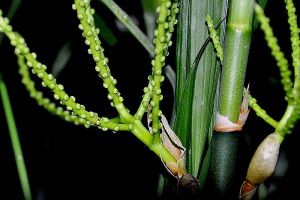
How to repot a Hawaiian palm? Detailed methods and steps
Also known as "bamboo palm", "miniature bamboo palm" or "Chamaedorea seifrizii", it is a plant of the Arecaceae family. Its place of origin is mainly in some tropical countries, such as Mexico and Guatemala. Later, it began to be planted on a large scale in Taiwan, China, and subsequently became one of the main production areas. It is an indoor foliage plant, which we can also see from the pictures. It is suitable for being placed in many places such as the living room, study and office. Repotting is an unavoidable step in growing it, so how exactly is it done?
-
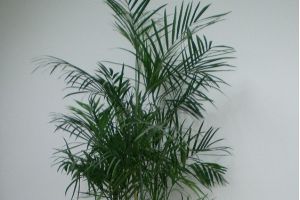
How to prevent and treat pests and diseases in the Hawaiian palm?
It is a type of ornamental plant, native to tropical or subtropical regions, with the most tenacious vitality and characteristics of liking sunlight and tolerating shade. Because of the plant's elegance, it is usually described as dignified and graceful. When growing it, we need to pay attention to the occurrence of certain diseases, protect it in advance, and help it grow better.
条件筛选