-
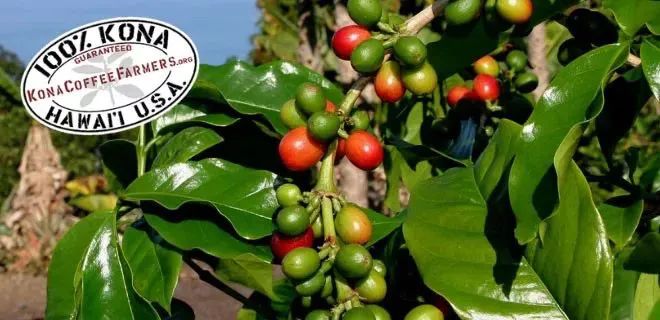
The queen of the coffee industry - Hawaiian Kona Typica
amaican Blue Mountain coffee in that era was known as the emperor of the coffee industry, and there is such a place. Because of the comparable climate, the
-

How to Water a Hawaiian Palm? The Latest Method Explained in One Article
Hawaiian palm - hearing this name easily brings to mind tall coconut trees, but when you actually see this plant, you will find it actually has little to do with coconuts. The Hawaiian palm is native to Mexico, Guatemala and other places, and is also cultivated in batches in Taiwan, China.
-
The Latest Guide to Growing and Caring for the Hawaiian Coconut
The Hawaiian coconut is a plant that grows in places such as Mexico and Guatemala. Does seeing this name easily make people think of sunshine, beaches, and delicious macadamia nuts? But this plant cannot be eaten, and it also fears direct sunlight, so it can
-
Reasons for Yellowing Leaves on the Hawaiian Palm and How to Fix Them
When we mention the Hawaiian palm, we think of seaside beaches, juicy coconut flesh, and the rich fragrance of coconut water, but the Hawaiian palm we are discussing today is not the kind of coconut we eat in daily life. It is simply a plant that can be grown for ornamental purposes, adding vitality and energy to our lives.
-
How to Grow a Hawaiian Bamboo Palm? Master the Care Methods and Precautions
Hawaiian bamboo palm generally refers to the Hawaiian coconut palm, also known as bamboo-stemmed dwarf coconut, bamboo palm, bamboo-jointed coconut, and Chamaedorea seifrizii. It is a foliage plant native to Central America. So how do you grow it? How to grow a Hawaiian bamboo palm? 1. Light The Hawaiian bamboo palm fears direct sunlight, so it only needs indirect scattered light in daily care. It is fairly shade-tolerant. During the seedling cultivation period or growing period, especially in summer and autumn, the shading level is generally 60%, but in winter and spring it is best to provide brighter scattered light.
-
How to grow Hawaiian bamboo and care tips: it loves warmth and hates direct strong sunlight
Summary Temperature: the ideal temperature for Hawaiian bamboo growth is around 20°C. Light: avoid direct strong sunlight; it needs a semi-shaded position. Soil: requires loose soil; river sand, leaf mold and original soil mixed with some decomposed organic fertilizer can be used. Pot selection: clay pots and plastic
-
How to Grow and Care for the Hawaiian Bamboo
Summary Cultivation substrate: choose loose, fertile soil or mix humus with organic fertilizer to make a substrate. Proper light: do not expose it to direct strong light; appropriate scattered light is enough. Growing temperature: the suitable growing temperature is around 20°C, and it must not go below 5°C. Reasonable water
-
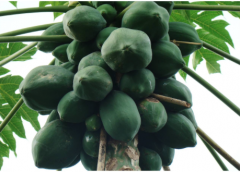
What Are Hawaiian Papayas Like? A Brief Introduction to Production and Prices
Hawaiian papaya is a papaya variety grown in Hawaii. Have you ever learned about this kind of papaya? Would you like to know the production and prices of Hawaiian papaya? Let's take a look together! Hawaii's papaya industry in Hawaii, papaya has been cultivated for more than a
-
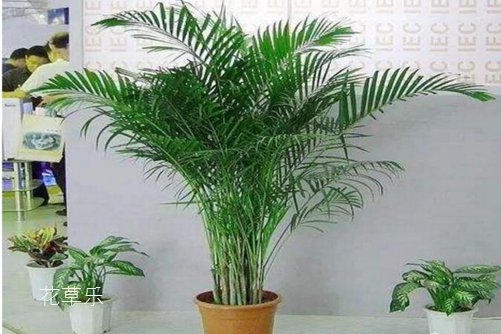
What to Do When Hawaiian Palm Leaves Turn Yellow? Teach You the Correct Way to Handle It
The Hawaiian palm (Chamaedorea elegans) prefers high temperatures and high humidity, tolerates shade, and fears direct sunlight; it adapts well to soil, but loose, moist, well-drained soil with a deep soil layer is ideal. Not only is its plant form graceful, but it also blooms and sets seed easily; its appearance features dense branches and leaves, deep green and glossy leaf color, and elegant pinnae
-
Why are the leaves of the Hawaiian bamboo turning yellow, and what should be done?
1. Improper fertilizer. When cultivating it, we all choose some leaf mold soil, river sand soil, etc., and then mix them with a small amount of organic fertilizer to make a growing medium. This way it will survive more easily in the early stage. Then, from March to October every year
条件筛选