How to prevent and treat pests and diseases in the Hawaiian palm?
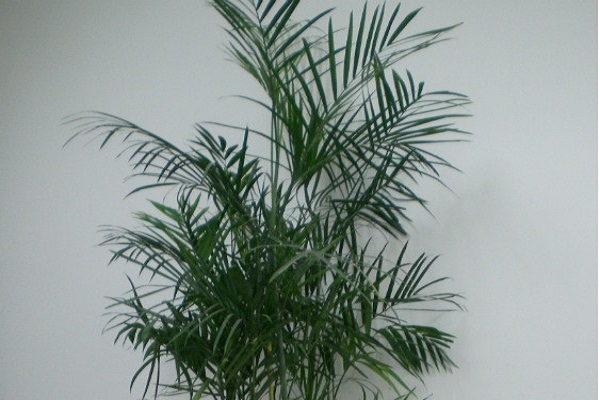
1. Diseases
(1) The first disease is called "brown spot disease." This disease harms the leaf parts of the plant and is closely related to watering. The specific prevention and treatment method is: during its growth period, it needs moderate watering; it is better to let the potting soil be a bit dry than to let it be too moist. If watered too much, the leaves will rot or turn yellow and withered, affecting its ornamental value. In addition, when the air is relatively dry in summer, water two to three times a day to ensure that the branches and leaves can grow vigorously.
(2) The second disease is called "downy mildew." To deal with this disease, first remove the leaves that have already become diseased, then spray some disinfectant medication.
In addition, it also needs to be given appropriate light to increase the plant's disease resistance. It is a green plant and needs the care of sunlight, but direct light should be avoided. If the leaves are exposed to strong sunlight, they will turn pale yellow or simply wither, which will cause even more harm to the plant. At the same time, it is also very shade-tolerant, so when the plant has just entered the growth stage, it is best to provide some shade protection and not let the plant be exposed directly to sunlight.
2. Pests
Type: The main pest that occurs frequently is called "brown soft scale." This pest can occur multiple times within a year and causes relatively great damage. To control it, there are generally two different types of measures. The first is to suppress the pest by introducing natural enemies; specifically, by introducing ladybugs onto the plant to eat those pests. The second method is to spray some chemicals, generally omethoate, once every two weeks.