-

Common abnormal phenomena and handling measures in oyster mushroom cultivation in late spring and early summer
Late spring and early summer is a good season for cultivating oyster mushrooms. However, due to improper operations, some mushroom growers experience abnormal phenomena such as yellowing and necrosis of mushroom logs after fruiting, souring and stinking of the substrate, and delayed fruiting after the mycelium has fully colonized the bags, which reduces the success rate, yield, and quality and directly affects economic returns. Based on many years of production practice and the experience of growers, the author summarizes the causes of these abnormal phenomena and the handling measures as follows. 1. Mass death of young mushrooms after fruiting from the mushroom bags In late spring and early summer, sometimes after the mushroom logs fruit, young mushrooms turn yellow and soft in large numbers, their bases thicken, and then they wither and rot into dead mushrooms.
-
Key Management Points for Spring Button Mushrooms and Post-Harvest Handling Methods
The button mushroom (Agaricus bisporus) is currently China's largest export earner among edible fungi, with main production areas in Fujian, Shanghai, Hunan, Guangxi and other provinces. At present, it is the spring mushroom management stage, and some key management techniques for this stage are briefly introduced below: Spring mushroom management accounts for about 30% of total yield. After mid-March, as temperatures gradually rise and stabilize above 10°C, the water content of the casing soil can be gradually adjusted to sufficient levels to meet fruiting needs. When adjusting water, first spray the clear supernatant of lime water at pH 8-9; when the temperature is below 15°C, top-dressing fertilizer can be applied together with spraying. Around April
-
Detailed Guide to Shark Processing Techniques: Master the Correct Handling Methods
Sharks, also called "jiao," belong to the subphylum Vertebrata, class Chondrichthyes. They are divided into the families Hexanchidae, Heterodontidae, Lamnidae, Rhincodontidae, Triakidae, Carcharhinidae, Sphyrnidae, and Squalidae. The body is spindle-shaped, and the skin bears dermal denticles resembling sandpaper, which is why they are also called "sand fish." There are 5-7 gill slits on each side, with 5 being the most common. The broadnose sevengill shark of the family Hexanchidae has 7 on each side. There are 1-2 dorsal fins, with two being the most common; the broadnose sevengill shark has one dorsal fin (located toward the rear of the body). The caudal fin is generally well developed, mostly heterocercal, and in
-
Tulip Post-Harvest Handling Methods and Technical Key Points
Flower growers tend to focus their attention on cultivating high-quality products, but they are less concerned about harvesting and post-harvest handling. This makes their earlier work lose its value. For this reason, this article was written. Harvesting colored buds When the harvest season arrives, the plant has stored nutrients in its stem for use in flowering. If harvesting is done before the plant is sufficiently mature, then the nutrients stored in its stem are insufficient, and it will be impossible to bring the expected results to future consumers. By using the method of harvesting with the bulb attached,
-
Simplified handling of weddings and funerals effectively reduces the burden on villagers
Simplifying weddings and funerals reduces the burden on villagers
-

Detailed explanation of the rural property ownership certificate application process, a step-by-step guide to handling it
Rural property ownership certificate application process
-
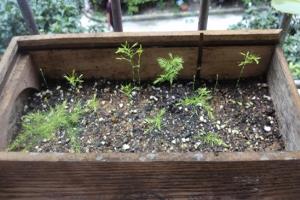
How to Peel Asparagus Fern Seeds: Seed Handling Methods for Asparagus Fern
How to Peel Asparagus Fern Seeds: Seed Handling Methods for Asparagus Fern
-
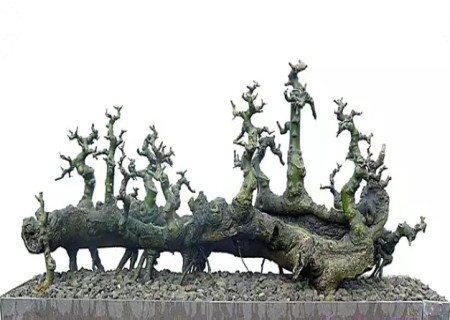
Lingnan Penjing Trunk Chopping and Branch Cultivation Techniques and Branch Direction Handling Methods
The creation of Lingnan penjing has always emphasized the direction of branches. Whether a perfect Lingnan penjing work can be created mainly depends on whether trunk chopping and branch cultivation are done properly, as is widely known. The direction of penjing plant branches is directly related to the overall layout of the work and its mutually reinforcing effect. Trunk chopping is a relative concept
-
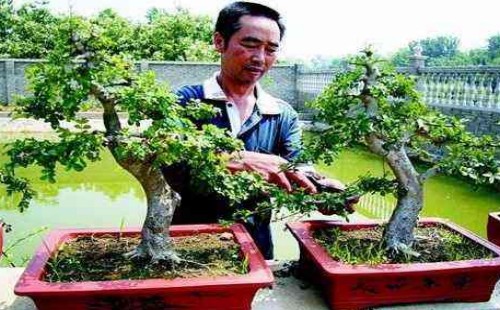
Handling of branches during the shaping of Chinese ash bonsai
Pruning is one of the most commonly used methods in tree bonsai shaping, and how to prune branches to better meet aesthetic standards has always been worth exploring for bonsai creators. However, for different creators, their creative personality, thinking, temperament, cultivation, and preferences are often not the same
-
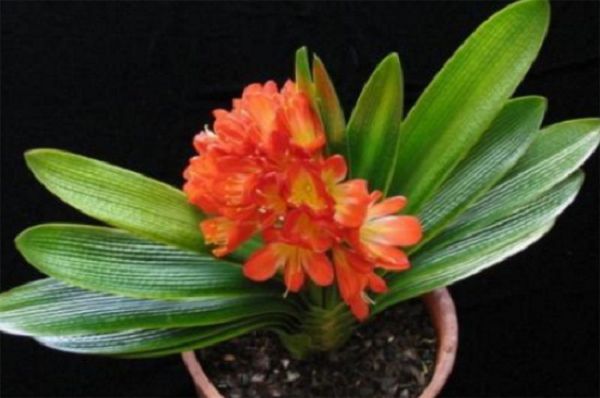
Clivia Care During Blooming and Post-Bloom Handling
Clivia care during the blooming period, and handling after the blooming period
条件筛选