Clivia Care During Blooming and Post-Bloom Handling
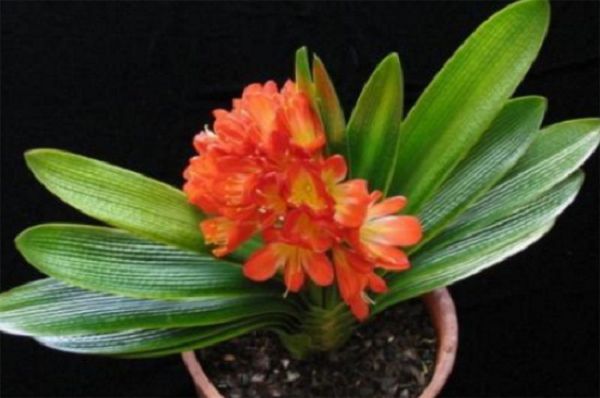
During the blooming period, Clivia can be sprayed once with Zhuangdiling, which can make the flowers more vivid and also increase the number of flower buds. Providing sufficient light is beneficial to the plant's growth. After the blooming period, the unpollinated spent flowers should be pruned off, and a certain amount of fertilizer water should be applied, which can promptly replenish nutrients for the plant.
Clivia care methods during the blooming period 1. Spray Zhuangdiling
Clivia has high decorative value and is often used to decorate interiors in daily life, so what are the methods? First, during the blooming period, Zhuangdiling can be sprayed, which can promote more vivid Clivia flowers and also increase the number of flower buds.
2. Sufficient light
During the Clivia blooming period, light must not be lacking. At this time, the plant needs to absorb a large amount of light to promote flower bud formation and flower blooming, so at this time it is best to place it in a spot with diffused light and not move the flower pot frequently. The daily light duration can be about 6 hours.
Clivia handling methods during the blooming period 1. Prune spent flowers
After Clivia blooms, the spent flowers need to be cut off, which can avoid the loss of nutrients. However, if the flowers were pollinated during the blooming period, do not prune them, because after the flowers fade they will produce seeds. They can be kept for a period of time, and when the seeds form, they can be picked and stored.
2. Water and fertilizer management
After Clivia flowers fade, water and nutrients need to be replenished in time. At this time, fertilization can be carried out by applying a certain concentration of decomposed organic fertilizer. After fertilization is completed, water until the soil is completely moist. This can help the roots absorb nutrients and also store nutrients for the plant to overwinter.