-

What to Do About Root Rot in Hydroponic Pothos? Here's the Correct Way to Handle It
Pothos is a common foliage plant in homes, thriving as soon as it meets water, and thanks to its tenacious vitality it is known as the flower of life. When it comes to hydroponic flowers, pothos may be the first thing everyone thinks of, because pothos can be grown not only in soil but also in water, and it has always been called the easiest plant to grow by plant lovers.
-
Reasons for Leaf Drop in Potted Camellias and How to Handle It
The autumn wind sweeps away fallen leaves, and it has swept the camellia leaves of many households right onto the ground. The strange thing is, if they must fall, then fine, but you would think they would only drop their yellow leaves - why are the emerald green ones being blown to the ground along with them! Recently, several gardening friends have consulted us about their camellias dropping leaves.
-
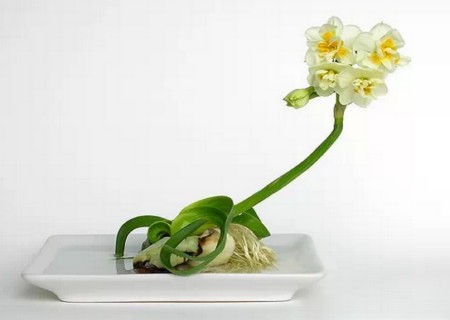
How to handle and care for potted narcissus (daffodil) after it blooms?
Narcissus in the living room can make people feel calm and cozy. The living room is a place for family gatherings and entertaining guests, so it is suitable to choose brightly colored cut flowers and elegant, dignified narcissus. Placed at home, narcissus can absorb noise released in the home, absorb exhaust gases released in the home, and release fresh air.
-
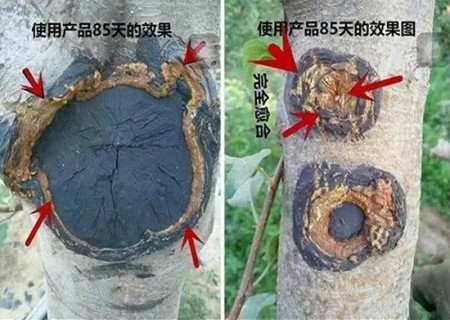
How to handle poor healing from girdling in pear tree grafting
Pear trees are generally girdled on the main branches, lateral branches and water sprouts. When girdling, it is best to make 2-3 spiral cuts around the branch. When girdling, the width of the bark strip removed must be strictly controlled, and the xylem must not be damaged; the width should be kept within 1/10 of the branch diameter, and no wider than 1.0 cm at most. It should be done from May to July; doing it too late is not conducive to wound healing
-
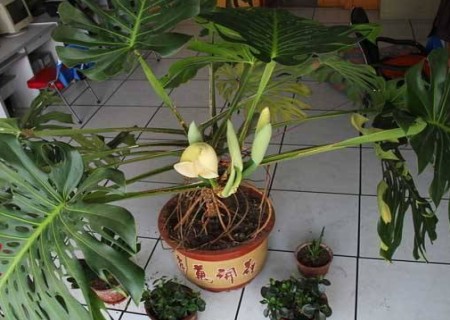
What to do about root rot in Monstera deliciosa? Here's the correct way to handle it
Monstera deliciosa is native to tropical rainforests, so it naturally prefers a warm and humid growing environment. However, when growing Monstera deliciosa in a pot, you must never let water accumulate in the pot, otherwise it will develop root rot just like most other plants, which will in turn inhibit the plant's growth, causing the leaves to turn yellow and droop, and the originally bright green sheen on the leaves will also disappear
-
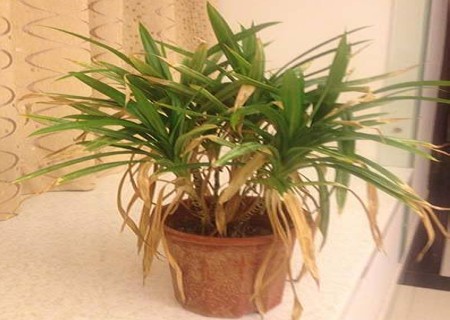
What to Do When a Dragon Tree Has Root Rot? Learn the Correct Way to Handle It
When you notice the leaves of your potted dragon tree drooping and wilting, you may not realize that the plant's root system inside the pot has already rotted. So, what causes root rot? In fact, most potted plants develop root rot due to overwatering, poor drainage in the pot leading to prolonged moisture, and water accumulation.
-
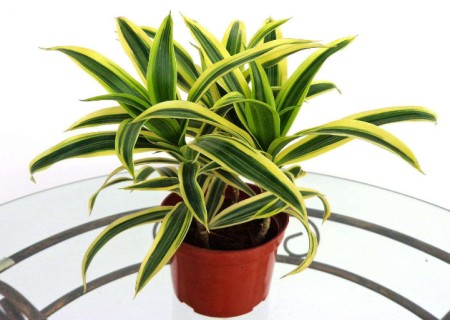
What to Do If Your Potted Dracaena Reflexa Has Root Rot? Here's the Correct Way to Handle It
Recently I heard a plant friend complain that they had potted a batch of flowers and plants at home, and for some unknown reason, two of the Dracaena reflexa plants actually developed root rot. One had already died, and the other was hanging by a thread, probably not long for this world either. Sigh, when this happens and you don't know what to do, it really makes you anxious.
-
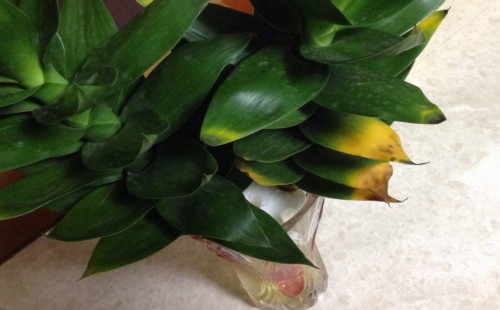
What to Do When Lucky Bamboo Leaves Turn Yellow? Learn the Correct Way to Handle It
Lucky bamboo not only has thick, sturdy stems with many nodes like bamboo, but also large leaves that stay evergreen year-round, and it is fairly shade-tolerant, so growing it as a household potted plant often gives quite good results. However, precisely because lucky bamboo's stems and leaves stay evergreen year-round and can green up, beautify and accent an environment so well, it is very well suited to foliage display
-
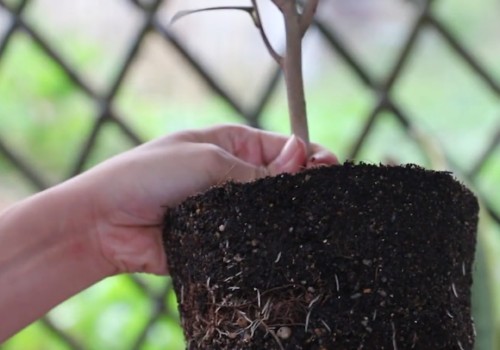
The Correct Way to Handle Root Rot During the Camellia Blooming Period
As winter quietly approaches, it is once again the season for camellias to bloom. The camellia blooming period usually begins in late winter, and many growers' potted camellias have already produced a large number of flower buds, making full preparations for the upcoming bloom. But care and management at this time require great attention
-
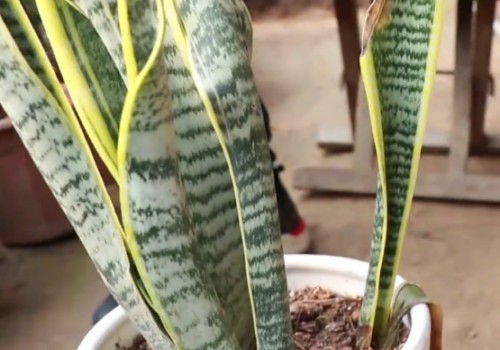
How to Handle Snake Plant Root Rot in Winter
The snake plant (Sansevieria) has very high ornamental value and is also highly effective at purifying the air. However, you need to master the right techniques during care, because if you water too much or the temperature doesn't meet its requirements, the plant is quite prone to root rot. Even in winter, many gardening friends often run into the problem of snake plant root rot. So
条件筛选