How to prevent and control porcine high fever syndrome? A practical guide for large-scale pig farms
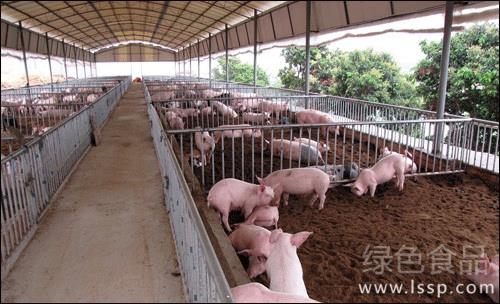
Pig farm
Porcine high fever syndrome is an acute, febrile infectious disease characterized mainly by septicemia, caused by mixed or secondary infection with viruses and bacteria after the pig body is infected with certain immunosuppressive viruses or under the action of certain immunosuppressive factors. In the course of guiding science and technology demonstration households in pig farming, we found that the use of moldy corn is an important factor, and we propose the following key points for prevention and control, for the reference of pig farming friends.
I. Clinical symptoms:
Because the pathogens infecting different pig farms differ, the clinical symptoms shown by sick pigs vary. In the vast majority of pig farms, the first sign of disease is a rise in body temperature to 41.5°C—42.5°C, presenting as persistent high fever, mental depression, lethargy and complete loss of appetite.
1. Some sick pigs have clear nasal discharge in the early stage and thick nasal discharge in the later stage, with difficulty breathing and severe abdominal breathing.
2. Some sick pigs show edema of the ears and eyelids, with secretions, conjunctivitis symptoms and tear stains.
3. Most pregnant sows gradually return to normal body temperature and feed intake after abortion, while lactating sows completely lose their appetite and have no milk.
4. In the early stage, the skin of the whole body of affected pigs turns red, and in the later stage it gradually turns blue-purple; the skin of the ears, under the abdomen and the extremities of the limbs becomes cyanotic, and a very small number of affected pigs bleed from the pores of the back skin and have nosebleeds.
5. Affected pigs have constipated feces in ball-like form; urine is yellow and scanty, and in a very small number of pigs the urine is blood-colored.
6. Suckling piglets have diarrhea and vomiting, and the vulva of nursery female piglets is red and swollen.
II. Prevention and control measures
1. Meet the normal welfare needs of pigs as much as possible and implement healthy pig farming. Enhance the pig's physique and its own immune function, and change the previously used principle of "prevention first, prevention more important than treatment" to "equal emphasis on raising and prevention, prevention more important than treatment" to adapt to the current epidemic trend of pig diseases.
2. When the hot season arrives, carry out heat relief and cooling as much as possible, reduce stocking density and reduce stress on the pig herd.
3. Implement good biosecurity measures, especially strengthening disinfection work at key points such as incoming and outgoing vehicles, the pig loading platform, personnel entry and exit points, and material entry and exit points.
4. Carefully carry out immunization work with PRRS and circovirus disease vaccines, because infection by these two viruses seriously damages the pig's immune organs, causing immunosuppression and leading to secondary infection by other infectious diseases. At the same time, also carry out immunization against swine fever, swine foot-and-mouth disease, pseudorabies, Mycoplasma hyopneumoniae and atrophic rhinitis vaccines.
5. Among measures to prevent and control mycotoxins, control the quality of feed raw materials well and avoid using them as much as possible; at the same time, another effective and practical measure is to add a mycotoxin adsorbent with strong adsorption capacity, a broad range, low price and high efficiency to the feed over the long term.