What Are Plant Growth Regulators? A Clear Guide
What are plant growth regulators? A detailed introduction. Plant growth regulators are a class of substances used to regulate plant growth and development. Plant growth regulators are also called exogenous plant hormones, generally produced through artificial synthesis or microbial fermentation, and their physiological effects and biological effects are the same as or similar to natural plant hormones...
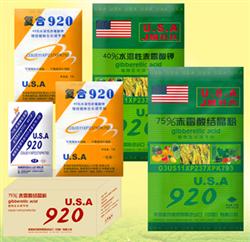
What are plant growth regulators? A detailed introduction
Plant growth regulators are a class of substances used to regulate plant growth and development. Plant growth regulators are also called exogenous plant hormones, generally produced through artificial synthesis or microbial fermentation, and their physiological effects and biological effects are the same as or similar to natural plant hormones (a class of compounds naturally present in plants).
At present, plant growth regulators are widely used in agricultural and forestry production around the world. There are more than 100 commercially available varieties abroad, mainly ethephon, mepiquat chloride, chlormequat chloride, thidiazuron, gibberellic acid, etc. Their application scope includes vegetables, fruit trees, cotton, tobacco, rice, wheat, corn, and soybean crops. In China, 38 varieties of plant growth regulators are registered for use, and nearly 10 varieties such as ethephon and gibberellic acid are commonly used, mainly on horticultural crops, rice, cotton, and other crops. In China, 7 varieties are registered for use on cucumber: thidiazuron, forchlorfenuron, nucleotides, brassinolide, sodium nitrophenolate, naphthaleneacetic acid, and indolebutyric acid. Their main effects are promoting female flower growth, increasing the fruit set rate, and so on.
Plant growth regulators are a class of products with relatively low toxicity. If used according to the methods and precautions indicated on the labels approved by national registration, they are safe. The use of plant growth regulators not only helps ensure stable crop yields and improve the quality of agricultural products, but also enhances crop stress resistance, saving labor and time in agricultural production and reducing costs while increasing efficiency.
National regulations on the use of plant growth regulators:
According to the provisions of the Regulations on the Administration of Pesticides, plant growth regulators fall within the scope of pesticide management. Only plant growth regulator products that have obtained pesticide registration and production licenses may be produced, operated, and used.
China has very strict requirements for pesticide registration. Pesticide products applying for registration must undergo extensive testing, with strict review and scientific evaluation in terms of product chemistry, efficacy, toxicology, residues, environmental impact, and other aspects. Only after scientific evaluation proves good control effects, controllable impacts on human and livestock health and the environment, and compliance with the requirements for safeguarding human health and environmental safety can registration be obtained. The production and operation of pesticides must be accompanied by labels approved by the relevant departments, clearly stating the active ingredients, methods of use, precautions, and other contents. Plant growth regulators must be used strictly in accordance with the dosage, timing, and methods indicated on the labels, and must not be abused.
Are fruits and melons ripened with hormones harmful to human health?
Plant hormones refer to trace organic substances naturally present in plants that have significant effects on plant growth and development. They are also called natural plant hormones or endogenous plant hormones. Their presence can affect and effectively regulate plant growth and development, including the entire life process of plants, from cell growth and division to rooting, germination, flowering, fruiting, ripening, and abscission.
Plant growth regulators are substances that people, after understanding the structure and mechanism of action of natural plant hormones, synthesize artificially to have physiological and biological effects similar to plant hormones. They are used in agricultural production to effectively regulate crop growth and development, achieving stable and increased yields, improved quality, enhanced crop stress resistance, and other goals.
When plant growth regulators are used according to the dosage, timing, and methods indicated on the registered and approved labels, they do not harm human health. If used improperly, they may cause crops to grow too quickly, which may have a certain impact on the quality and taste of agricultural products, but they will not harm human health.
Can existing agricultural product quality and safety supervision methods detect whether plant hormones have been used?
Plant hormones are divided into endogenous hormones and exogenous hormones. Only exogenous hormones (plant growth regulators) present detection issues. Plant growth regulators approved for use by the state all have corresponding detection methods. Existing agricultural product quality and safety supervision and professional testing institutions all have the ability to detect plant growth regulators in agricultural products and can accurately detect whether plant growth regulators have been used. It should be particularly noted that because plant growth regulators are mainly used as auxiliary agents during plant growth, the residual amounts in mature fruits or marketed products are generally extremely low, requiring precision analytical instruments for accurate quantification.
Click to get more regulator application techniques
Click to get more pesticide application techniques