-

How to Grow Garlic Vine and Points to Note
Garlic Vine, also known as purple bell vine or Mansoa alliacea, gets its name from the garlic-like scent it carries. Today, the editor will introduce the growing of Garlic Vine to everyone. Let's take a look together! 1. Growing Garlic Vine To grow Garlic Vine, you need to choose
-
How to Make Sweet and Sour Garlic: How Much Salt, Sugar and Vinegar for 10 Jin of Garlic So It Keeps Well
When I went home recently, my mom brought me a bottle of sweet and sour garlic made by a relative, saying that eating it has disinfecting and antibacterial effects and helps with bowel movements, and after eating it the results were indeed good. So if you want to make it yourself, then what is the most authentic method for pickling sweet and sour garlic? 1
-
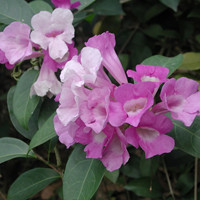
Garlic vine grows more vigorously in such an environment
Garlic vine is a twining vine with rather beautiful blooms, making it a fairly ornamental plant. Garlic vine is naturally robust and quite easy to grow.
-

Garlic vine planting method: don't plant it against a wall, or it will turn into a flowering wall in no time
Garlic vine (Bignonia aequinoctialis) is a climbing plant with extremely high ornamental value, with a faint garlic scent, but the flowers it produces are very beautiful with gorgeous colors. Potted garlic vine can climb or trail, let's take a look together at the "garlic-loving"...
-
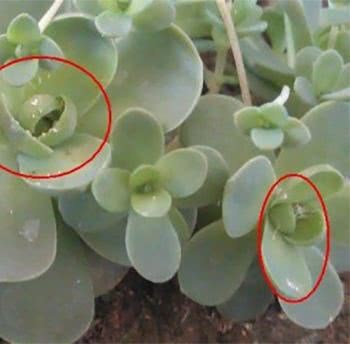
Growing flowers in summer easily breeds small flying insects; garlic and vinegar alone can cure it completely
It's very simple, just treat it! There are many methods, and the fastest and most effective ones, let's take a look together. If your plants don't have many bugs, you can just pick them off directly, or you can use homemade insecticides for spraying. For example: crush garlic, onion, chili peppers and other pungent things, mix with water and spray; mix laundry detergent or dish soap with water and spray; mix vinegar or orange peel with water and spray. When there aren't many bugs, these methods are all effective.
-
How to Propagate Garlic Vine? A Detailed Guide to Common Propagation Methods
When garlic vine is not in bloom, it is hard to catch people's attention, but when it flowers, the scene is quite different. The flowers and leaves of garlic vine give off a garlic odor when rubbed, which is how it got its name. Cultivating garlic vine artificially is not very difficult, there are quite a few propagation methods, and the survival rate is not low
-
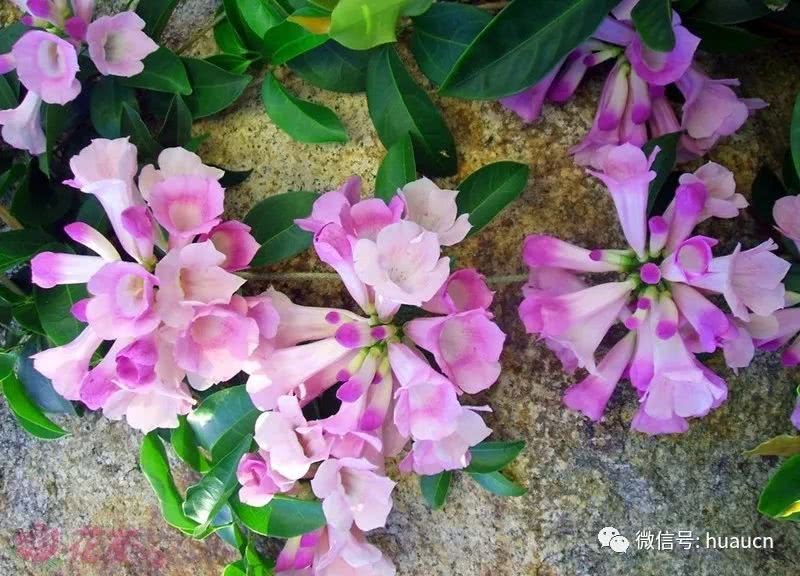
How to Grow Garlic Vine? Detailed Guide to Cultivation Methods and Precautions
1. Pot and soil: For growing garlic vine at home, you can plant it in a pot on a sunny balcony, either as a climbing potted plant or directly as a hanging plant, and you need to choose a suitable flower pot or hanging basket. For the soil, you can choose loose, fertile, slightly acidic soil, mixing garden soil, peat...
-
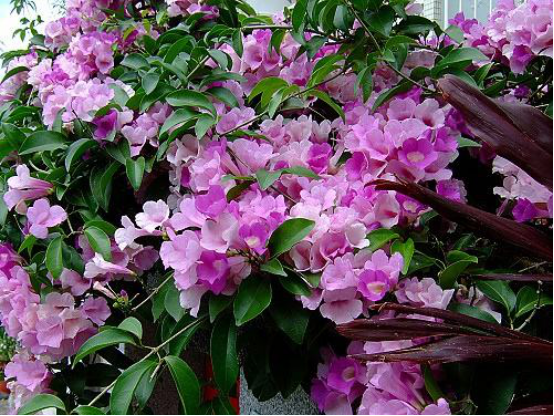
How to Grow Garlic Vine: Planting Methods and Things to Note
1. Choosing the pot and soil: If you want to grow garlic vine at home, the requirements for choosing a flower pot are relatively high. You should choose a pot suitable for garlic vine to climb or trail, and as for the soil, avoid choosing soil that is too moist and not breathable; choose relatively loose, free-draining soil
-
What are the cultivation methods for garlic vine?
When a vine flower is not in bloom, it is really hard to attract attention, because they are all covered in the same green leaves, and no one bothers to look closely into their identity; only once they bloom does it suddenly become clear that they can bloom after all! Garlic vine is the same: it may not bloom, but when it does, its beauty astonishes everyone. Yet with such a delicate and lovely flower, why does its name contain the word "garlic"? Garlic vine is also known as Bignonia chamberlaynii and purple bell vine, and belongs to the Bignoniaceae family as a perennial vine, native to tropical America. The plant is trailing and has tendrils, and its leaves are biternate compound leaves, dark green and oval
-
Ginger, garlic and vinegar are the three great treasures for treating pig diseases
If a pig has an external injury, peel fresh ginger, wash it clean and mash it into a paste, then apply it to the wound to stop the bleeding. Replace the ginger paste once every 1 day, and after 1 week the pig's wound can heal completely. Take two heads of garlic, peel them and mash them into a paste, mix with 0.2 kg of water and pour it into the pig's stomach; this can disinfect and sterilize, and for piglets the amount can be halved as appropriate. Soak 100 grams of garlic and 50 milliliters of alcohol for one week, then take 10-20 milliliters of the liquid and administer it to the pig by drenching; this can treat gastrointestinal disorders in pigs. For every square meter of space, dilute 10 milliliters of vinegar with 1 times its amount of water, place it in a container and heat it to evaporate,
条件筛选