-

Detailed Introduction to the Functions and Roles of Rice Leaves
The rice leaf is composed of two main parts: the leaf blade and the leaf sheath, in addition to accessory organs such as the auricle and ligule. The junction where the leaf sheath connects to the stem is called the leaf node. The junction where the leaf sheath connects to the leaf blade is called the leaf collar. When the seed germinates, the first thing to grow out is the coleoptile that protects the young shoot as it emerges, also called the sheath leaf. The sheath leaf differs from other leaves in that it is white and shaped like a cylinder. The second leaf has only a leaf sheath and no leaf blade, and is called an incomplete leaf. Leaves beginning from the third node have both a leaf sheath and a leaf blade, and are called complete leaves. Counting the number of leaves of a variety
-
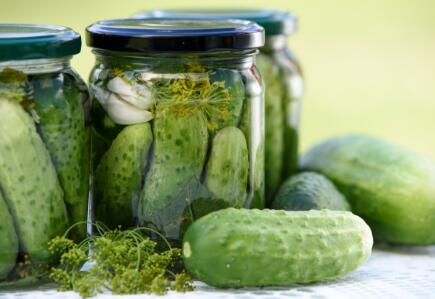
What are the cucumber cultivation techniques and its effects and functions?
Cucumber, also known as huanggua or qinggua, is an annual trailing or climbing herbaceous plant of the Cucurbitaceae family. It is widely distributed throughout China and is one of the main greenhouse products. So, what are the cultivation techniques for cucumber? What are its effects and functions? Cultivation techniques, 1. Land preparation and fertilization: 5 cubic meters of decomposed organic fertilizer
-
-
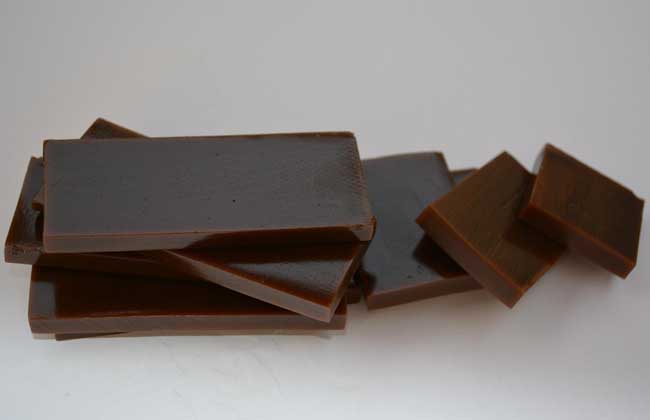
What are the effects and functions of deer antler glue?
The effects and functions of deer antler glue
-
What are the effects and functions of cassia seeds
What are all the effects and functions of cassia seeds
-
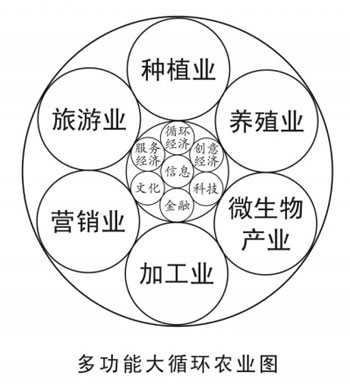
Summary of Information on Multifunctional Large-Cycle New Agriculture
Multifunctional Large-Cycle New Agriculture Information
-

What is the function of a squirrel's tail? It turns out there are so many uses
What is the function of a squirrel's tail
-
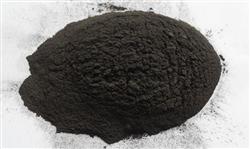
What are the functions and benefits of biochemical fulvic acid?
What are the functions of biochemical fulvic acid? Please introduce biochemical fulvic acid. You can refer to the following introduction: 1. Drought resistance and water saving, stress resistance and disaster reduction. The effective period of fulvic acid in inhibiting plant transpiration can last more than 28 days. Within 24 hours after spraying, it can make the plant stomata close appropriately, and after 5 days it can reduce the transpiration intensity of plants...
-
What are the functions of the fungicide zhongshengmycin?
What are the functions of zhongshengmycin? How is zhongshengmycin used? Experienced netizens are also asked to help explain. Currently on the agricultural input market there are 3% wettable powder and 1% aqueous solution agricultural antibiotic products of zhongshengmycin. When visiting villages, some farmers did not understand the functions and usage methods of zhongshengmycin, so Zhongdiwang compiled this...
-
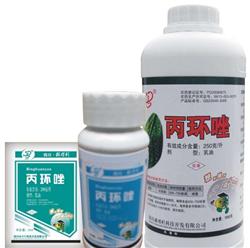
What pesticide is propiconazole? A detailed introduction to its functions and uses
What are the characteristics of the propiconazole fungicide? Which diseases can the propiconazole fungicide control? How long does the propiconazole fungicide remain effective? The following is a brief introduction from Zhongdiwang for netizens' reference. Propiconazole belongs to the triazole fungicides among sterol inhibitors, and its mechanism of action is to affect sterol biosynthesis, destroy the...
条件筛选